

Key Takeaways
Navigating the end-of-life cycle for luxury vehicles requires careful planning and an understanding of professional salvage processes. This guide outlines the essential steps to manage your vehicle’s transition while maximizing value and ensuring environmental compliance.
- Professional wrecking services provide sustainable disposal outlets for aging or damaged luxury vehicles.
- Identifying salvageable components helps recoup costs when a vehicle reaches the end of its road.
- Specialized salvage yards ensure that complex engineering, such as proprietary transmissions and AWD systems, is handled with expertise.
- Regulatory compliance for hazardous fluid removal protects local ecosystems and prevents contamination.
- Documentation, including titles and certificates of destruction, remains essential for finalizing ownership transfer legally.
Understanding what a complete Audi wrecking service offers
When a vehicle serves its life, a full-service facility offers more than mere scrap value for steel. These organizations act as circular economy hubs, carefully dismantling high-end automobiles to ensure that individual components are harvested rather than destroyed. Engaging a professional service ensures that every mechanical part is handled with the care expected for a German-engineered machine.
Identifying salvageable components
Salvage professionals prioritize the recovery of functional items that still retain significant mechanical life. By utilizing used OEM Audi parts, owners and repair shops can maintain older models affordably without sacrificing original factory specifications, as these items are salvaged from vehicles that may have only suffered cosmetic or minor structural damage.
Environmental disposal and recycling standards
Modern facilities must adhere to strict protocols when draining fluids like engine oil, transmission fluid, and coolant. These substances are captured, stabilized, and funneled into recycling programs meant to minimize soil and water contamination.
Logistics of vehicle collection and transport
Moving an immobilized car requires specialized recovery equipment designed for all-wheel-drive configurations. In instances where owners need Emergency Roadside Services to transport a stalled vehicle to a disassembly site, logistics experts coordinate the tow and logistical intake to ensure the chassis arrives without additional damage.
Inventory databases for used OEM parts
Centralized digital platforms track specific stock availability across large yard networks. This allows technicians to query everything from control modules to rare exterior lighting components, ensuring that individual repair shops can locate stock quickly and reliably.
Benefits of choosing specialized Audi salvage yards
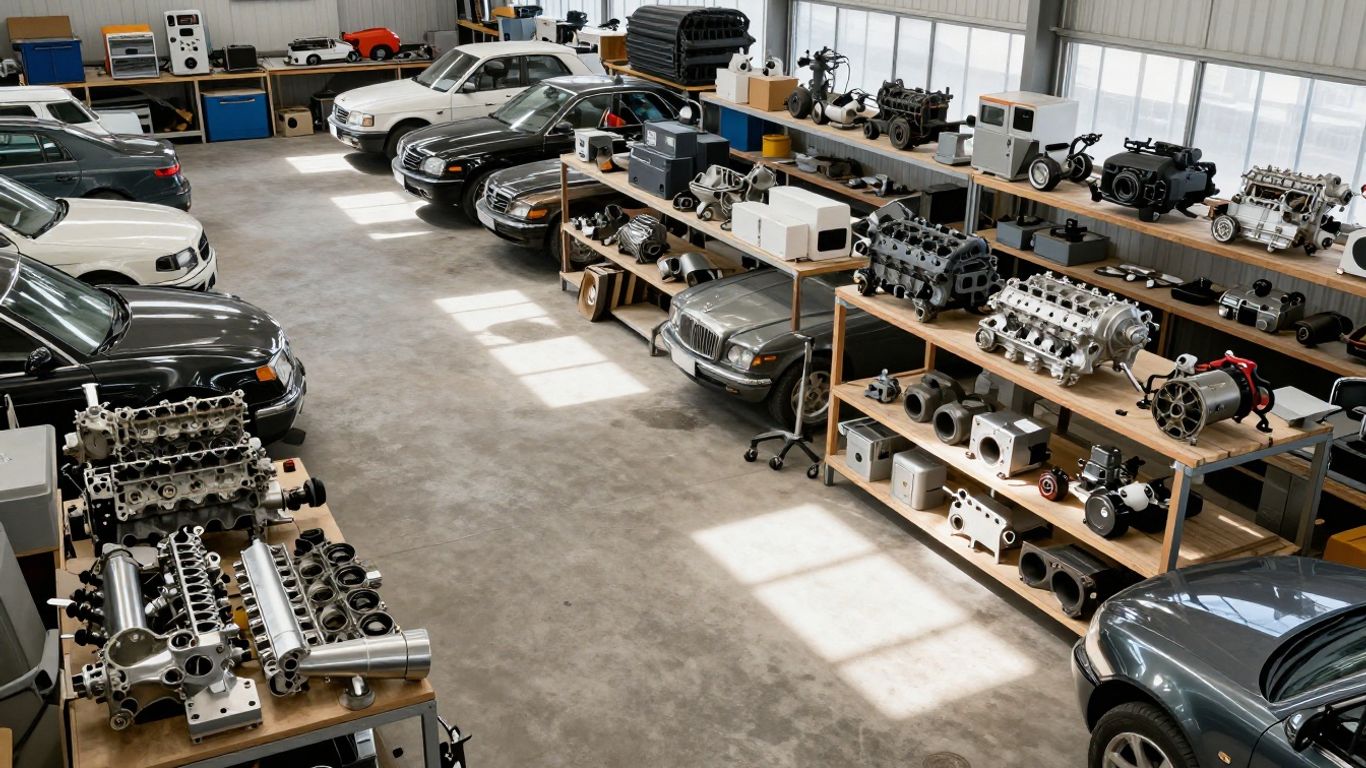
Choosing a facility that focuses specifically on high-end European marques ensures that your vehicle’s unique hardware is recognized. Unlike general scrap metal yards, these specialized locations understand the nuances of the brand’s modular construction and specific material composition. This focus translates into better outcomes for the owner, the environment, and the future repair of other vehicles.
Access to rare and discontinued parts
Owners of vintage or limited-production models often struggle to find factory-new components that are no longer in production. Specialized yards bridge this gap by maintaining warehouses of legacy inventory that would otherwise be lost to landfill.
Cost-effectiveness compared to dealership prices
For those seeking affordable Audi spare parts, these yards provide a budget-friendly alternative that keeps older models on the road. The savings over buying expensive new modules often make the difference between a vehicle being viable or being scrapped entirely.
Expert knowledge of complex Audi engineering
Technicians at specialized facilities understand the exact torque specifications and removal procedures for complex components like dual-clutch transmissions or turbochargers. This expert handling prevents damage to remaining parts during the extraction phase.
Quality assurance and part testing protocols
Reputable yards often verify component performance before selling them to retail customers. Through rigorous bench testing and visual inspections, they ensure that the electronics or mechanical units being recycled meet functional standards for secondary use.
Determining when your Audi is ready to be wrecked
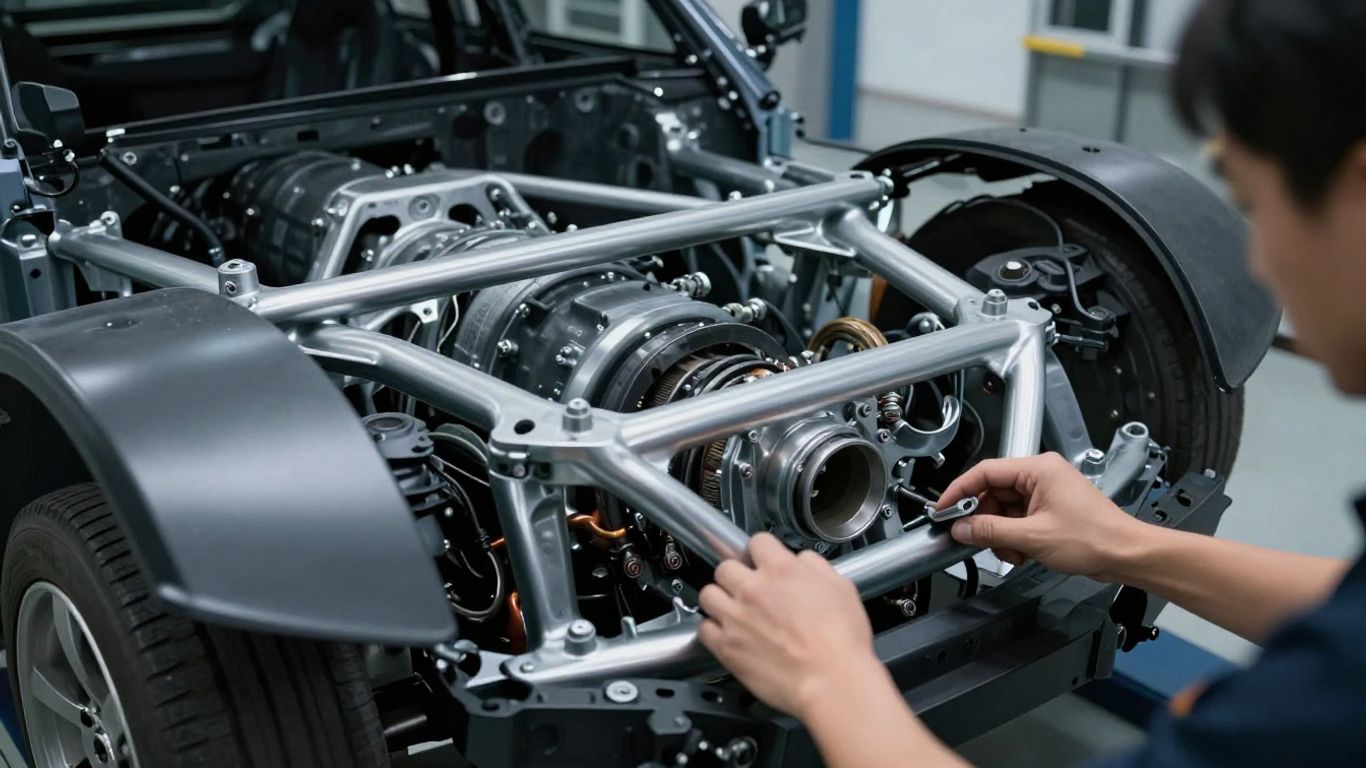
Evaluating the viability of an aging vehicle involves a comprehensive audit of your current maintenance costs against potential long-term value. Often, the tipping point involves the failure of major engine components or the accumulation of electrical gremlins that defy traditional troubleshooting methods, leading to a logical decision to move toward responsible dismantling.
Assessing the cost of major mechanical failure
When a repair bill exceeds the total trade-in value of a running vehicle, the economics suggest that salvaged parts might be the most rational path forward. Owners need to weigh the historical importance of the engine platform against the projected labor costs of professional diagnostics.
Safety considerations for heavily damaged vehicles
Structural integrity issues following a major collision can render a car unsafe for modern road environments regardless of cosmetic repairs. In these cases, the wrecking yard becomes the most secure location for the vehicle to prevent further accidents or liability issues.
Comparing repair estimates against vehicle scrap value
Comparing the cost of new parts versus salvaged components helps in decision-making. The table below illustrates typical cost scenarios for high-mileage repairs.
| Part Category | New OEM Price | Used Salvage Price | Potential Savings |
|---|---|---|---|
| Transmission | $5,500 | $1,800 | $3,700 |
| Turbocharger | $2,200 | $750 | $1,450 |
| ECU Module | $1,200 | $400 | $800 |
Evaluating the impact of high mileage on structural integrity
High mileage naturally affects the fatigue of chassis components, mounts, and suspension bushings. A systematic assessment should look at these factors to determine if the vehicle remains a safe platform for continued operation:
- Check for signs of metal fatigue in common chassis mounting points.
- Inspect the subframe for rust or oxidation that compromises structural rigidity during impact.
- Measure suspension play which may indicate the necessity for a total drivetrain pull.
- Determine if the cost to rectify these structural issues is prohibitive.
Preparing your vehicle for a wrecking service
Efficiency at the point of drop-off requires significant forethought and administrative preparation by the owner. By ensuring all paperwork is prepared, you simplify the transition of ownership and protect your identity while the vehicle enters the recycling pipeline.
Legal requirements and title transfer documentation
Clear proof of ownership is the primary requirement for any transfer to take place at a scrapyard. You must provide a clean title or an acceptable lien release to prove that you possess the right to dispose of the automobile through a professional wrecking service.
Removing personal belongings and electronic data
Modern infotainment systems store significant amounts of user data, including contacts, addresses, and call history. A full factory reset of the onboard memory is standard protocol to prevent unauthorized information access after the vehicle is turned over.
Deciding between keeping or selling aftermarket upgrades
If you have added performance modifications, high-end audio setups, or custom wheels, decide early whether these should be removed. Often, removing high-value aftermarket items allows for a separate sale, while returning the car to its stock condition ensures the yard provides a standard quote.
Confirming the basic condition of core components
Ensuring that engine blocks, transmissions, and suspension limbs are as stated in the initial inquiry prevents disputes during the final inspection at the yard. Those who have stored high-quality used Audi RS parts or specialized performance components should list these explicitly to ensure an accurate appraisal upon vehicle arrival.
Navigating the legal and environmental process
Environmental standards require an organized approach to dismantling that keeps hazardous toxins contained. By selecting a licensed facility, you ensure that the entire process follows regional oversight, protecting you from potential future liabilities related to environmental cleanup.
Handling of hazardous fluids and chemicals
Professional services use vacuum-sealed drains meant for extracting refrigerants and oils. These are handled with specialized containment vessels that prevent spills during the extraction of fluids from the engine and chassis.
Compliance with local vehicle recycling laws
Regulatory bodies periodically inspect facilities to verify that they are up to code regarding waste management and processing. Choosing a facility with a proven compliance record ensures you are supporting a legal and properly governed enterprise.
Obtaining a certificate of destruction for insurance
Requesting a formal certificate of destruction serves as the definitive proof that the vehicle is no longer on the road. This document is often required by insurance carriers to finalize your policy cancellation and remove the registration from your name permanently.
Professional disposal of onboard electronic modules
Electronic waste contains hazardous heavy metals or materials that require industrial recycling rather than municipal disposal. Certified wreckers collaborate with regional e-waste recyclers to ensure these modules are broken down for core elements like plastics, copper, and precious metals.
Conclusion
Choosing a responsible path for your aging vehicle is a decision that balances financial recovery with environmental stewardship. By understanding the importance of specialized salvaging, you ensure your car finds a meaningful second life in the form of components that sustain other drivers on the road. Ultimately, this approach simplifies a difficult transition while supporting the wider automotive ecosystem in a way that is both efficient and legally secure.
Frequently Asked Questions
Is it always cheaper to use used parts instead of ordering new ones from a dealer?
While used parts are almost universally cheaper, the cost-benefit analysis depends on the complexity of the installation and the longevity of the part. If a used component requires extensive labor to extract and install, the total project cost might approach that of a new part once shop hours are calculated.
Does every salvage yard have an online inventory search?
Many modern facilities maintain live online databases, but smaller, independent yards may rely on manual inventory management. Always contact the yard directly to confirm the physical presence of a part before traveling to the location to finalize a purchase or sale.
How does the condition of the exterior affect the scrap value of an Audi?
While aesthetic flaws affect the value of a whole car for resale, they rarely impact the intrinsic value of the hard internal components. As long as the mechanical units, drivetrain, and core electronics are functional, the vehicle remains valuable to a professional salvage recycler.
Should I drain the fuel and oils myself before taking a car to the wrecker?
No, you should never attempt to drain vehicle fluids yourself unless you are equipped with specialized hazardous waste storage containers. Professional wrecking services have built-in systems to handle these substances safely and are legally required to manage them according to local environmental regulations.
How long does the administrative process take to transfer a car title to a salvage yard?
If you have all the necessary documentation ready, ownership transfer typically occurs in minutes during the initial intake. However, check with your local Department of Motor Vehicles to understand if any state-required forms need to be filed to release your liability once the vehicle is transferred.
Are all electronic components wiped when an Audi is turned over to a yard?
While reputable yards often disconnect batteries and perform basic system resets, the responsibility for data privacy fundamentally lies with the vehicle’s former owner. Always take the time to wipe your personal information from the infotainment and navigation systems before dropping off the car.
When is a car considered a total loss versus a scrap candidate?
Total loss is an insurance designation based on the cost of repair relative to the market value of the car. A scrap candidate is a purely practical designation where the cost of repair exceeds the utility and roadworthiness of the vehicle, regardless of insurance status.