

Key Takeaways
Securing affordable and reliable replacement components is essential for maintaining your vehicle’s health over the long term. This guide explains how to navigate the available options to obtain accurate pricing for your specific needs.
- Prioritize verified components to ensure original manufacturer standards for safety.
- Always have your vehicle’s unique identification details ready before reaching out.
- Dealerships offer factory-backed warranties, while wreckers provide cost-effective reclaimed options.
- Use specialized locator services to browse inventory across multiple regional suppliers efficiently.
- Verify physical markers like holographic seals to confirm the legitimacy of secondary market items.
Understanding the benefits of sourcing genuine Audi parts
Choosing authentic replacement components ensures your vehicle maintains the engineering integrity it had when it left the factory floor, preventing long-term mechanical degradation. When you rely on Audi Genuine Parts, you are investing in components tested specifically for your drivetrain and chassis configuration. This precision eliminates fitment issues that often plague generic aftermarket alternatives.
Ensuring long-term vehicle performance
High-quality components are built to handle the unique stresses placed on luxury engines, transmissions, and braking systems. By maintaining technical purity, you ensure that sub-systems operate in harmony, thereby extending the expected lifespan of major drivetrain assemblies.
Maintaining manufacturer warranty integrity
Using factory-authorized parts provides peace of mind regarding ongoing service agreements and statutory coverage. Consistent adherence to official maintenance protocols helps prevent disputes when you claim repairs under existing coverage terms.
Safety improvements through precision engineering
Every component undergoes rigorous testing to meet strict safety protocols centered on driver and passenger protection. Investing in these parts helps maintain the safety standards originally intended for the vehicle while providing reliable responses during braking and evasive maneuvers.
Where to request a free Audi part quote in Australia
Getting a quote requires identifying the right channel for your specific inventory needs, ranging from new factory stock to recycled alternatives. Having a clear roadmap of contact points helps streamline the procurement process while ensuring you receive a transparent price baseline.
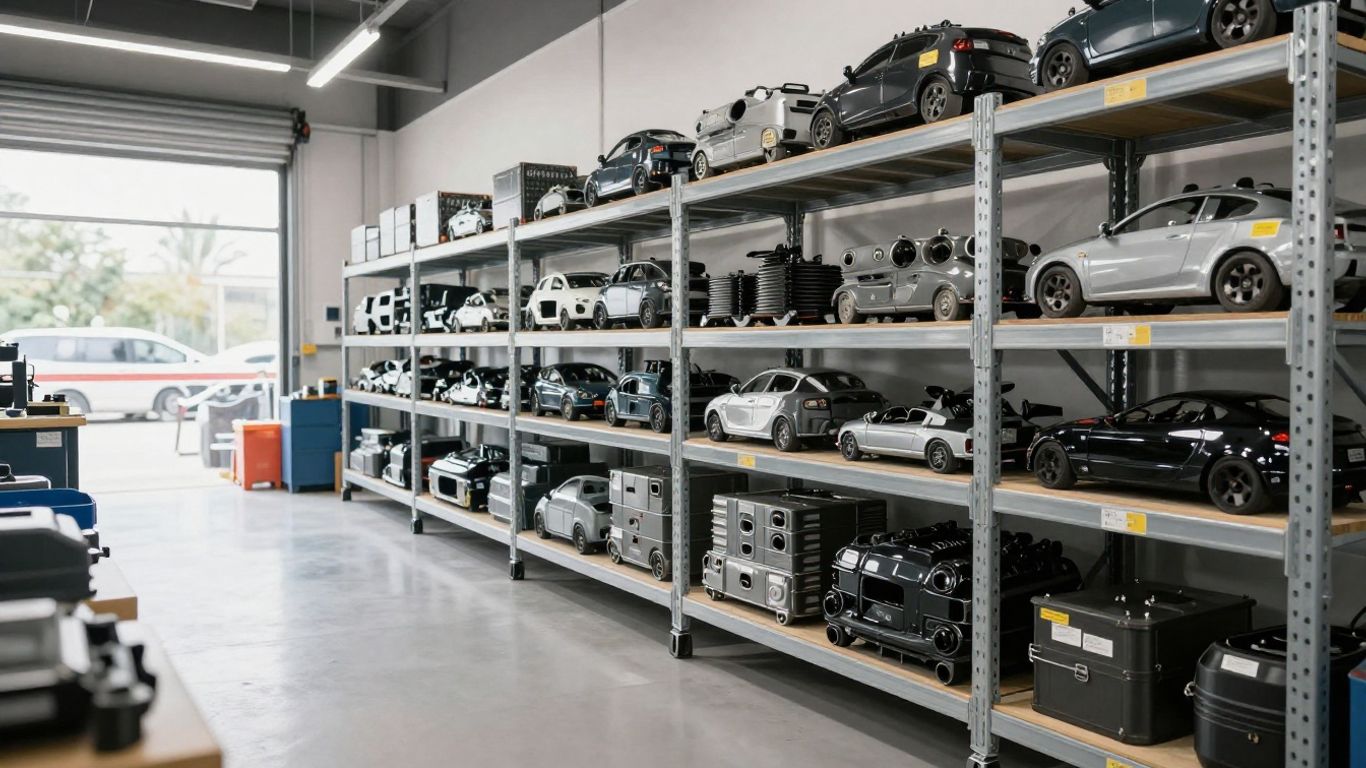
Contacting official Audi Australia dealerships
Authorized dealers represent the primary source for factory-authorized stock, which is ideal when seeking items that require specific calibration. They are best equipped to provide precise quotes for newer models requiring software-integrated electronic components.
Utilizing specialized VAG parts retailers
For enthusiasts looking for performance upgrades or high-quality OEM-equivalent items, suppliers like VAGPARTS Australia offer specialized inventory. They serve as a vital link for owners who want to combine performance tuning with reliable hardware, often providing guidance on compatible accessories that aren’t available through standard channels.
Tapping into major auto wrecker networks
Utilizing a platform like Findapart Australia allows you to search large database networks, connecting you with multiple dismantlers at once. This approach is highly effective for locating cost-effective, reclaimed components that have been tested for structural soundness.
What information you need to provide for an accurate quote
Suppliers cannot provide precise pricing without understanding the exact configuration of your machine because model variations change frequently. Providing comprehensive technical data upfront reduces the risk of ordering incompatible components that could strand your vehicle or cause damage.
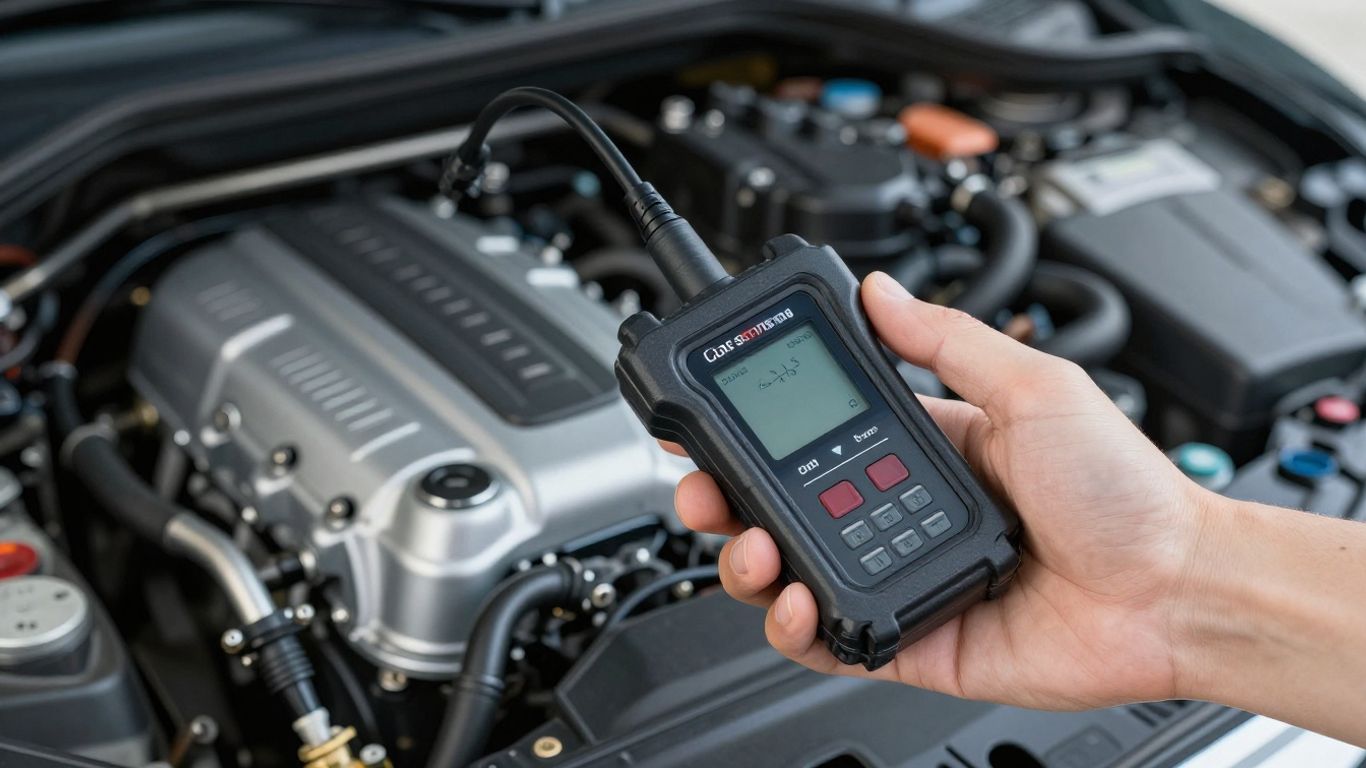
Locating your vehicle identification number (VIN)
Your VIN acts as a unique digital thumbprint for your vehicle, detailing the exact build date, factory destination, and trim level. Providing this 17-character sequence is the most efficient way to ensure you receive a part that matches your specific production run perfectly.
Identifying specific part numbers from diagrams
Most modern manufacturers publish digital assembly diagrams that list individual piece numbers tied to the global catalog. Referencing these diagrams helps remove ambiguity, especially when dealing with complex modules like electronic control units.
Describing common symptoms or damage to the part
When requesting a quote, provide details about how the existing component is failing to help the supplier verify if you need a specific replacement or a wider repair kit. The table below outlines common categories of data to prepare for your inquiry:
| Information Type | Detail Required | Significance |
|---|---|---|
| Vehicle Identity | Full 17-digit VIN | Matches assembly build |
| Part Specification | OEM part number | Eliminates incorrect fit |
| Issue Summary | Current failure signs | Identifies related wear |
Providing these details ensures that the quote you receive is based on the exact specifications required to restore full vehicle function without additional modifications.
Evaluating quotes from dealerships versus wreckers
Comparing the costs of new components against pre-owned salvage requires balancing short-term affordability with long-term reliability expectations. While dealerships provide factory-level peace of mind, salvage yards can offer substantial savings on non-critical structural or cosmetic assemblies.
Comparing price differences for new versus reclaimed parts
New items command a premium due to factory testing, logistics, and standardized warranty coverage. In contrast, reclaimed parts are priced based on their salvage origin, often saving significant funds on heavy components like doors, panels, or cooling fans.
Assessing the value of included warranties
Understand that the price of a component often includes the level of risk mitigation provided by the seller. Dealerships include official manufacturer guarantees, whereas wreckers usually provide a limited replacement window, such as the following common terms:
- Standard 30-day functional replacement guarantees
- Optional extended performance coverage for major assemblies
- Verification of bench-tested structural integrity reports
Ensuring you understand these local warranty policies helps you quantify the total cost of ownership over the component’s life.
Considering the environmental impact of recycled components
Choosing recycled items helps reduce industrial waste by keeping functional materials in use rather than sending them to landfills. This circular approach provides a functional benefit while simultaneously lowering the ecological footprint of your vehicle repairs.
How to verify the authenticity of parts from third-party sellers
When purchasing through independent channels, you must exercise due diligence to avoid counterfeit items that lack the required engineering safety standards. Verifying the legitimacy of your parts protects your vehicle from potential damage caused by substandard materials.
Checking for Audi branding and holographic markers
The most straightforward method involves looking for the official logo and high-security holographic seals on both the packaging and the component casting. These markers have been developed as indicators of factory origin and should appear crisp and tamper-resistant.
Requesting supplier certification documents
Ask the seller for paperwork that links the part to a legitimate supply chain, such as customs clearance forms or dealer-direct invoices. Authentic suppliers maintain meticulous paper trails to track the movement of sensitive electronic or mechanical items.
Researching workshop reputation and previous buyer feedback
Before finalizing any transaction, check independent forums or local business listings to confirm that others have had positive experiences with that specific supplier. Reputable workshops that specialize in high-end European models are usually best equipped to provide verified parts.
Conclusion
Navigating the process of obtaining an accurate quote involves balancing the need for genuine component reliability with the financial benefit of sourcing recycled parts. By preparing your VIN and part numbers beforehand, you ensure that every inquiry you make leads to a precise and actionable solution for your vehicle’s maintenance needs.
Frequently Asked Questions
Is it always better to buy brand new parts?
New parts offer reliable, standardized performance and full warranty backing, which is ideal for critical engine and braking safety systems where precision is non-negotiable.
How long does a typical part quote stay valid?
Market pricing for components can fluctuate due to supply chain demands, so most quotes are generally only valid for 7 to 14 days before requiring a refresh.
Can I use a generic part instead of an original one?
Generic parts may physically fit, but they are often not engineered to the same specific thermal and load-bearing requirements as original components, which might cause long-term issues.
What should I do if the part arrived damaged?
Document the damage with clear photos immediately, keep all original shipping materials, and contact the supplier to initiate their return or replacement procedure as defined in their policy.
Will the quote price cover shipping costs?
Shipping is rarely included in a base parts quote, so you should always ask for a shipping estimate or confirm if the supplier allows for free local pickup.
Are recycled performance parts worth the risk?
Recycled parts are generally safe if they come from reputable dismantlers that perform bench testing, but performance-critical items should always be inspected for wear before installation.
How do I store spare parts if I am not using them immediately?
Keep all components in a climate-controlled environment, away from direct moisture, and ensure metal parts are stored with appropriate protective coatings to prevent surface corrosion.