

Key Takeaways
Finding the right source for vehicle components requires evaluating reliability, provenance, and logistical capability. By prioritizing high-quality parts, you maintain the safety and long-term performance of your vehicle.
- Prioritize providers that guarantee documented OEM compliance.
- Assess the logistical capability of a service to handle vintage or rare components.
- Ensure clear warranty coverage before finalizing high-value purchases.
- Use specialized networks to bypass long wait times for backordered items.
- Verify the authenticity of every component using official manufacturer part numbers.
Understanding the value of professional Audi parts sourcing services
Many vehicle owners find that managing the repair process alone can be overwhelming, especially when navigating complex supply chains. A professional Audi parts sourcing service simplifies this effort by bridging the gap between factory specifications and necessary repairs. By delegating the search, you ensure your vehicle receives components that adhere to original engineering standards rather than generic alternatives.
Saving time in the procurement process
A professional service drastically reduces the hours spent scouring online listings or contacting multiple dealerships to verify stock. When you connect with the Audi Parts Center, you tap into a streamlined procurement workflow that handles the inquiry, inventory validation, and ordering on your behalf. This efficiency is critical for time-sensitive repairs.
Accessing specialized inventory networks
Reliable sourcing firms possess deep connections across domestic and international markets, providing access to components that are not always listed on public storefronts. Utilizing an Audi Orange Park procurement channel allows for the location of specific parts that often bypass standard retail availability. These networks are built on long-standing relationships with logistical partners and distributors across the automotive industry.
Reducing the risk of incompatible components
Compatibility issues often stem from minor revisions in manufacturing that result in slight dimensional or electrical differences. To minimize these inconsistencies, owners should consider these preparatory steps before initiating a search:
- Perform a physical inspection of existing components to check for visible part numbers.
- Organize specific model year and engine code details to confirm fitment.
- Document the specific failure symptoms to narrow down whether a replacement is actually required.
- Request compatibility certifications or verification from the supplier before payment.
Applying these steps allows you to avoid the frustration of receiving faulty orders, ensuring the maintenance project proceeds without costly delays during major upgrades.
Key factors to evaluate before selecting a service provider
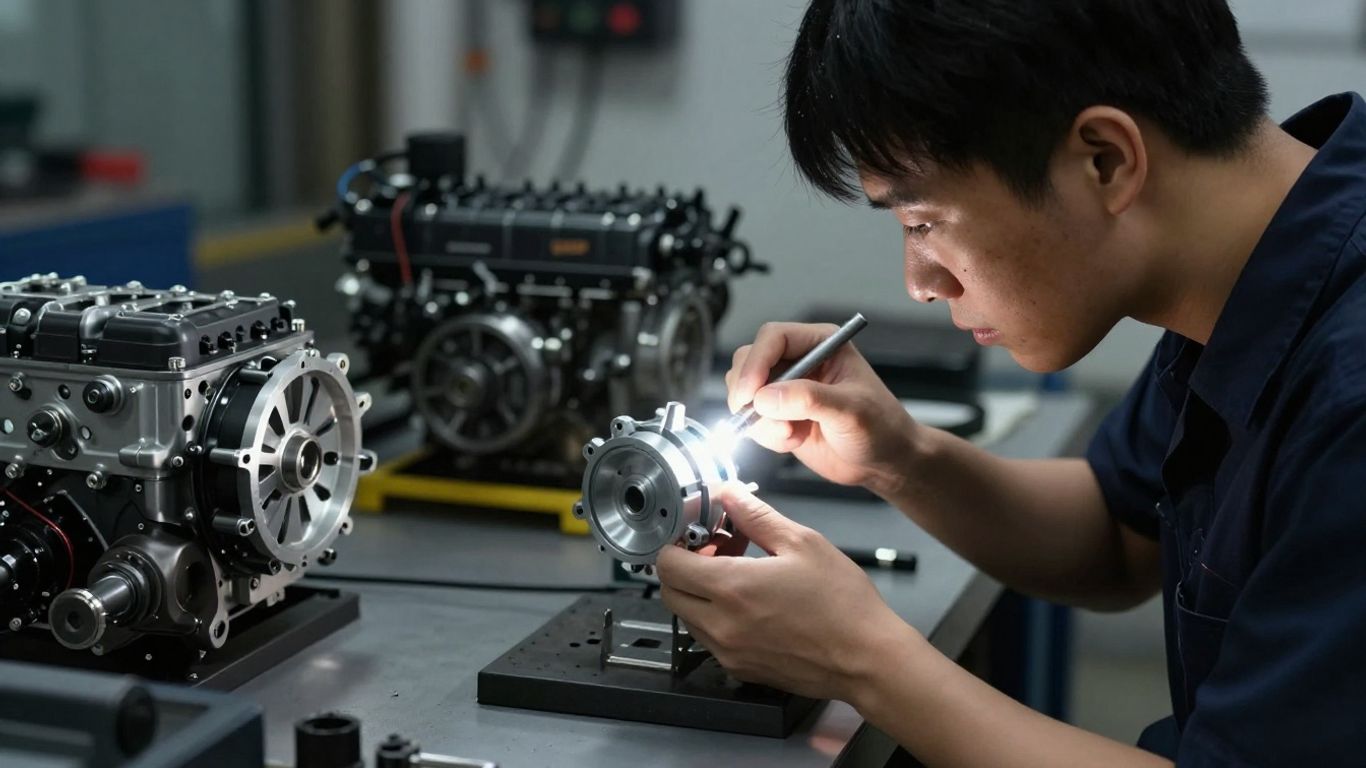
Selecting a partner for your automotive needs involves careful vetting of their operational reliability and technical knowledge. A good provider will exhibit transparency in their workflow, ensuring you feel informed about the status of your request at every stage. You should focus on how they handle technical queries and their ability to source genuine documentation alongside the parts themselves.
Verification of industry credentials and certifications
Confirm that the service works directly with authorized manufacturers to ensure that documentation meets safety standards. You may want to look for partners who understand the complexity of business structure, similar to how B2B AI service firms design high-margin, tiered service models to maintain consistency, as this indicates a disciplined approach to supply quality.
Transparency in pricing and service fees
Understanding the cost structure is crucial to avoiding hidden expenses that frequently appear during the import or handling process. The following table provides a breakdown of typical cost components to review during your consultation with a prospective vendor:
| Cost Category | Description | Typical Variance |
|---|---|---|
| Procurement Fee | Fixed charge for finding rare parts | 5% – 15% |
| Handling Costs | Costs for specialized packaging | Low to Medium |
| Shipping/Duties | International or domestic transit fees | Volatile/High |
Reviewing these line items clearly allows you to predict your total project spend accurately without surprises.
Responsiveness of customer support channels
Communication is the lifeline of any parts sourcing relationship, particularly during complex repairs. A highly responsive team will proactively update you on transit delays or manufacturer backorders, ensuring you remain aware of the situation. Support channels should ideally include direct contact options rather than relying solely on automated ticket systems.
History of working with specific Audi models
An extensive track record with particular engine platforms or chassis types indicates mastery of the nuances unique to those cars. Providers with experience regarding Audi Jacksonville Coastal Care requirements demonstrate a deeper understanding of how specific internal systems evolve over time. This historical knowledge helps them identify potential upgrades or necessary companion parts that a generalist might overlook.
Navigating the world of OEM versus aftermarket Audi components
Making the decision between an original part and an aftermarket counterpart is where many owners encounter the most confusion. While cost-saving is an appealing incentive, one must carefully weight the risk to performance stability versus the upfront price reduction. The goal remains consistent: ensure the vehicle remains as close to factory performance as the initial design intended.
Assessing quality standards for aftermarket alternatives
Aftermarket options vary wildly, from high-performance modifications to low-cost clones. When evaluating these, prioritize companies that provide stress-test data or material certifications. Beware of options that claim universal fitment, as these rarely account for specific internal tolerances.
Importance of OEM certification for performance stability
Original Equipment Manufacturer components are designed by the same engineering teams that built the engine, transmission, and chassis. Using these components is the only way to guarantee that electrical impedance, material density, and mechanical clearance meet factory specifications. Deviation from these standards can trigger software errors or physical wear on connected systems over time.
When to choose salvage or recycled Audi parts
Salvaged parts from reputable JP Group inventory sources can offer a sustainable and affordable middle ground for non-critical cosmetic or structural components. This is appropriate for exterior trim, interior buttons, or non-moving body panels. Always ensure the donor vehicle’s history is available to verify the part has not been subjected to severe impact or fire damage.
Leveraging sourcing services for rare or discontinued Audi parts
When a vehicle reaches a certain age, locating replacement parts shifts from a retail task to an investigative project. Specialized sourcing services excel here by tapping into private collections and regional warehouses that hold legacy inventory. This process requires patience, as the global search for a single component can sometimes trigger an international logistical chain.
Strategies for locating legacy vehicle components
Locating a part from the 1990s or early 2000s often involves cross-referencing discontinued factory indexes. Specialists maintain legacy catalogs that translate old part numbers to modern functional equivalents. This prevents the need to navigate confusing CIRS codes or financial classifications, focusing instead on the practical function of the item.
Building relationships with global specialized suppliers
Establishing a presence in global markets, much like the process of advertising in Israel to reach a specific regional audience, requires local informants who can inspect parts on the ground. A good sourcing service maintains these relationships to ensure they receive priority on rare shelf-clearing auctions or warehouse liquidations.
Handling the verification of part condition for vintage models
For vintage models, identifying parts that are "new old stock" versus those that are simply oxidized is crucial. Much like identifying the subtle signs of wildlife intrusion in a building, a professional knows the indicators of deterioration in automotive rubber seals and electrical connections. Detailed visual inspections and high-resolution photo requests are standard procedure before funds are transferred for vintage acquisitions.
Logistics and shipping considerations for automotive parts
Moving heavy or fragile automotive components across borders introduces significant risks that must be managed through proactive logistical planning. International freight often requires specific customs documentation to prevent seizures or excessive holds at the border. You must coordinate closely with your service provider to ensure every form is perfectly filed.
Managing international freight and customs documentation
Customs clearance relies on the accuracy of the commercial invoice and the declared value of the parts. Failure to properly categorize a shipment can lead to significant delays and storage fees in the carrier warehouse. Rely on providers who have experience with the specific trade regulations of your destination country.
Protective packaging requirements for fragile car parts
Automotive components such as glass, electronic modules, or painted panels require custom-built crates rather than standard cardboard boxes. Proper packaging mimics the professional safety standards required for installing aquatic basins, where precision in shipping prevents fractures or structural failure before the item even reaches the garage. Request photographic proof of the packaging method prior to dispatch.
Estimating arrival timelines for non-stock items
Sourcing non-stock items means the supplier must first retrieve the item from the manufacturer or a distant warehouse. This add-on time must be included in the total delivery window. Never accept a simple shipping estimate that ignores the time required for internal processing, as this often blindsides owners during major maintenance windows.
How to verify the authenticity and warranty of sourced parts
Authenticity is your primary defense against counterfeit components that can compromise vehicle safety. Every authentic part should carry clear markings and manufacturer etching. Always compare the physical markings on the arrival to those documented in the original manufacturer’s electronic parts catalog.
Decoding Audi part numbers and manufacturer marks
Every genuine part contains a specific numerical sequence representing the model application and revision level. These marks should be consistent, crisp, and located in the designated manufacturer areas. If a mark looks blurred, incomplete, or is missing entirely, it is a significant red flag requiring immediate investigation.
Understanding manufacturer-backed versus seller-provided warranties
Distinguish clearly between a warranty provided by the automaker versus a limited policy offered by a third-party seller. Manufacturer-backed warranties are generally honored globally through official service networks, providing superior recourse if a product fails early. Seller-provided warranties are often dependent on that company staying in business, making them a higher-risk option.
Documenting inspections upon arrival
Immediately upon receipt, inspect the shipping crate for external damage, then verify the contents against the packing slip. Take photos of the packaging condition and the part markings before the installation begins. This documentation serves as your primary evidence should a claim be necessary due to shipping damage or an incorrect part shipment.
Conclusion
Choosing the right sourcing service ensures that your vehicle receives the technical care necessary for long-term reliability and performance. By emphasizing documentation, verifying authenticity, and managing the logistical risks of the global supply chain, you protect your investment against the challenges of improper repair. Take the time to build a relationship with a service provider that treats your model with the care it deserves, and your vehicle will reward you with reliable operation for years to come.
Frequently Asked Questions
Why are OEM parts usually more expensive than aftermarket options?
OEM parts are engineered and tested to exacting standards that ensure perfect integration with existing vehicle systems, which involves higher design and compliance costs that are reflected in the final retail price.
Can I use a generic part number if I cannot find my specific Audi part?
Using a generic number is dangerous because it ignores material and electrical differences that can cause immediate mechanical failure or trigger critical dashboard warning lights.
How long should I expect to wait for rare parts sourced from overseas?
Imported items typically have longer lead times due to international freight, custom inspections, and brokerage processing, often taking several weeks depending on the origin and local transit conditions.
What should I do if a sourced part arrives damaged?
Contact the sourcing service immediately with photographic documentation of the damage, including the exterior packaging, and refrain from attempting any installation until a resolution is reached.
Are recycled parts safe to use in the engine compartment?
Recycled parts are usually best reserved for non-essential accessories or cosmetic panels; vital mechanical, electrical, or structural components should always be sourced new to guarantee integrity.
How do I check if a part is genuine without a professional?
Genuine parts are marked with consistent, engraved or stamped serial numbers that match your vehicle’s electronic parts catalog, and they should arrive in sealed, branded manufacturer packaging.
Does the sourcing service or the manufacturer provide the warranty?
Most high-quality sourcing services will offer their own support on top of the manufacturer warranty, but verifying which entity covers failures is a critical step before finalizing your purchase.