
Key Takeaways
Optimizing the way you source and store automotive components significantly enhances vehicle longevity and reliability. Following these core principles helps ensure consistent quality and performance for every repair.
- Understanding the material degradation timelines for seals and resins.
- Verifying factory packaging and tamper-evident labels upon receipt.
- Managing warehouse temperature and humidity to prevent premature aging.
- Utilizing robust inventory cycles to maintain active stock freshness.
- Prioritizing reputable suppliers known for their logistics standards.
Understanding the benefits of factory-fresh Audi parts
Achieving consistent vehicle performance relies on the integrity of every component. By selecting parts that have remained within the intended shelf life, you ensure that materials perform exactly as the manufacturer specified. Maintaining awareness of part turnover is the first step in protecting your investment.
Distinguishing between OEM and aftermarket component turnover
Understanding the supply chain behind high-performance Audi OEM components helps you distinguish between stock that has been stored correctly and bulk inventory that may have sat for years. While the market offers a wide range of options, prioritizing verified supply chains prevents the acquisition of stagnant warehouse stock.
Why date-sensitive materials like rubber and resins require fresh stock
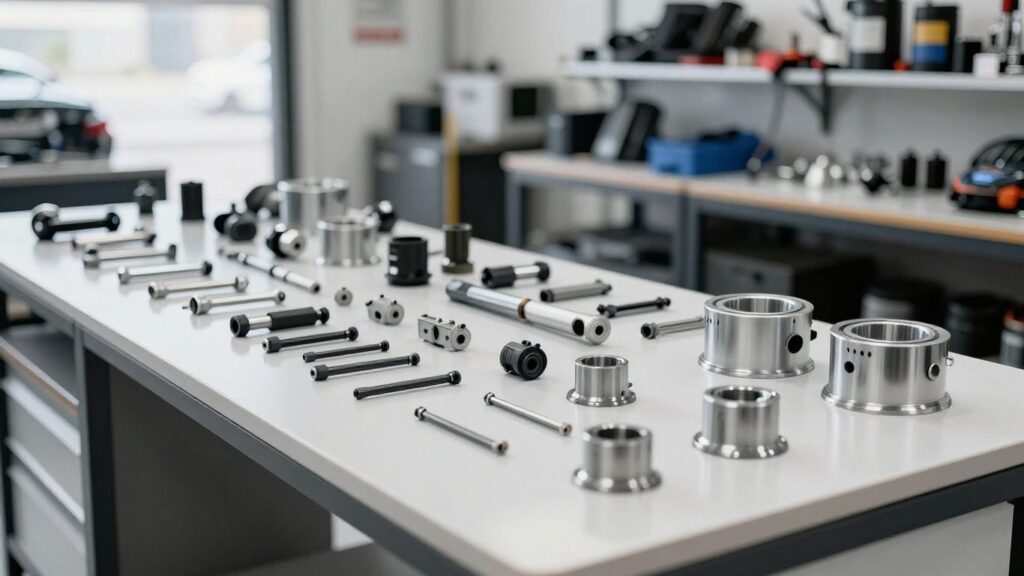
Rubber bushings, gaskets, and synthetic resins are prone to chemical degradation when held in suboptimal conditions. Even when not in use, these materials naturally harden or dry out over time, which compromises their flexibility and sealing ability. Ensuring you source fresh rubber components prevents immediate failure upon installation.
The role of shelf life in electronic sensor reliability
Modern automotive electronics often rely on atmospheric-sensitive components that degrade if handled improperly or stored for extended durations. Oxidation can collect on connector pins or internal circuitry, leading to intermittent signal failures and difficult-to-diagnose engine codes. Regular turnover in electronic inventory is essential for these units.
Identifying reliable suppliers that prioritize part integrity

Finding a partner that values rigorous inventory management is just as important as the part itself. Reliable suppliers utilize controlled environments that shield delicate systems from fluctuations, ensuring you receive hardware in prime condition.
Vetting authorized dealership logistics versus independent distributors
Authorized channels typically follow manufacturer-mandated storage protocols, though independent providers can also be excellent choices if their turnover is high. Comparing specific service levels helps you determine which source aligns best with your maintenance schedule.
Analyzing shipping speed and supplier inventory turnover rates
The table below outlines common lead times and storage indicators for various part categories to help you evaluate incoming inventory.
| Part Category | Typical Lead Time | Storage Metric | Status Indicator |
|---|---|---|---|
| Rubber/Seals | 2-4 Business Days | Climate Controlled | Verify Batch Code |
| Electronic Units | 3-5 Business Days | Dehumidified | Check Seal Integrity |
| Suspension Hard Parts | 5-7 Business Days | Dry Storage | Inspect Finish |
Analyzing these metrics allows you to better manage project expectations by identifying where the longest bottlenecks exist in your supply chain.
Leveraging customer feedback to track consistent delivery conditions
Customer reviews often reveal whether a supplier prioritizes protective packaging and whether their inventory actually matches their online listing. A pattern of consistent reports regarding damaged items or outdated stock is a major indicator that you should look for alternatives. Reliable vendors understand that the arrival condition is the ultimate reflection of their reputation.
Evaluating packaging and logistics for delicate components
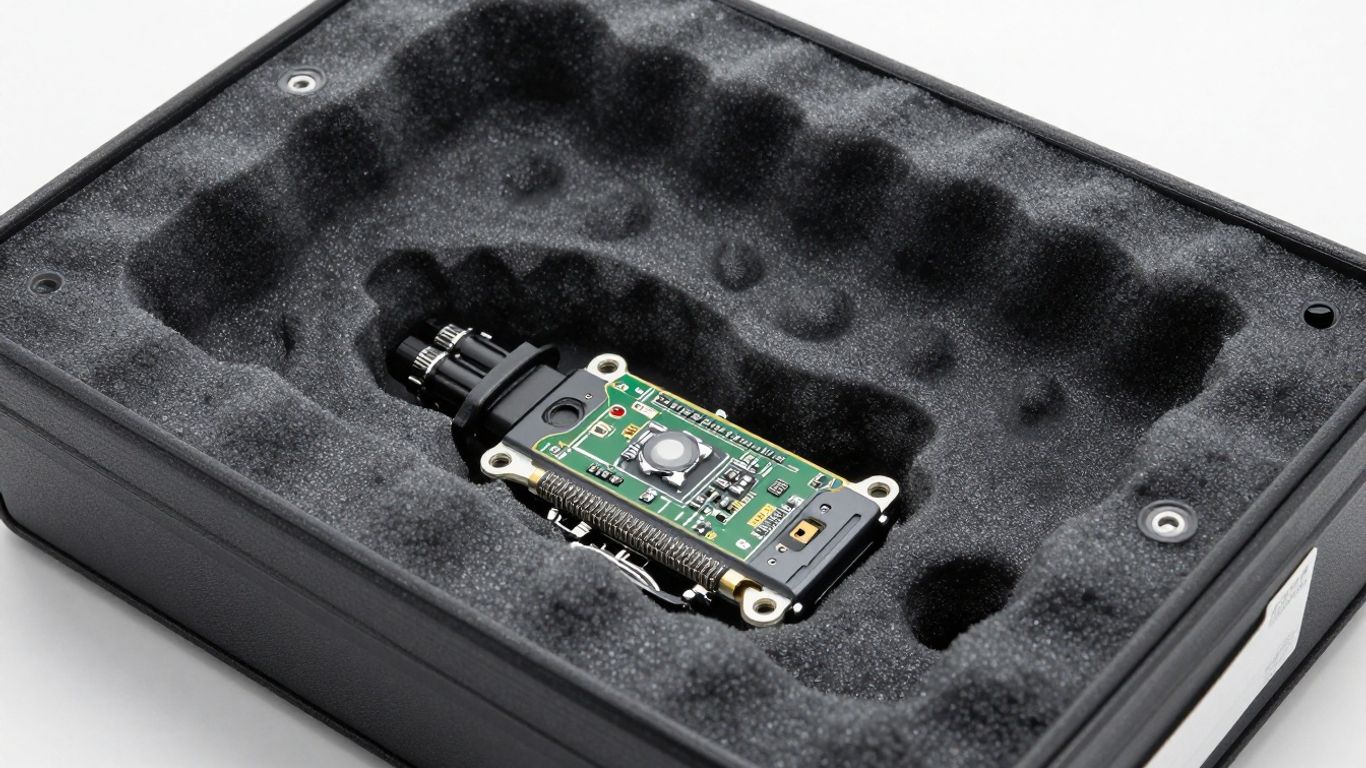
Transporting advanced automotive hardware requires specialized care to prevent impact and environmental damage. Knowing what to expect when a parcel arrives allows you to identify potential issues immediately during the unboxing process.
Best practices for protective packaging of sensitive Audi electronics
High-end electronics require anti-static materials and robust internal buffers to survive the transit process. If you are looking for affordable Audi spare parts, inspecting the quality of the shipping container is often a telltale sign of the supplier’s commitment to part integrity.
How to mitigate risks of moisture and temperature damage during transit
To ensure your parts arrive in good condition, consider the following environmental protective measures during the selection process:
- Confirm the supplier uses desiccants for items sensitive to humidity.
- Ensure packaging includes thermal barriers for long-distance transit.
- Verify the use of reinforced boxes designed to prevent crushing.
- Monitor weather forecasts in the transit path to avoid extreme shipping delays.
Adopting these practices ensures that even the most fragile sensors or control units survive the volatility of global shipping logistics.
Selecting reputable shipping partners that handle automotive inventory with care
Reputable vendors choose logistics partners that prioritize tracking and minimized handling steps. When a supplier allows you to trace your part back to a warehouse that provides quality replacement parts, you reduce the likelihood of mismanaged inventory being sent to your door.
Techniques for verifying the condition of parts upon arrival
When a box arrives, the first stage of inspection involves verifying the integrity of external seals. This simple practice ensures you do not waste time installing a part that has been tampered with or poorly stored regardless of its origin.
Inspecting original factory seals and tamper-evident labeling
Always check for manufacturers’ tape, holographic stickers, and box integrity. If these indicators are broken or show signs of tampering, the component may have been opened for evaluation by a previous buyer or improperly handled at a distribution center.
Detecting signs of prior installation or handling damage
Scuffs, bolt-thread wear, or oily residue on a supposedly new part are clear signs of previous usage. Even if the store labels it as new, a thorough visual inspection is necessary for ensuring long-term component durability after you install it on your vehicle.
Cross-referencing part serial numbers with official Audi databases
Serial numbers should match the documentation provided at the time of purchase. Using official lookup tools allows you to verify that the part was manufactured for the specific chassis configuration of your vehicle, confirming its compatibility before you start any mechanical work.
Maintaining quality standards in your own parts storage
Your workspace should mirror the professional standards of top-tier warehouses. A clean, climate-controlled environment is key to keeping your existing stock in a usable state when you finally need it.
Managing workspace climate to prevent component degradation
Humidity control is the most critical factor in preventing the degradation of your metal and electronic stockpile. Installing simple dehumidifiers or temperature monitors can protect your inventory from rust, mold, and electronic shorts over long storage cycles.
Utilizing first-in, first-out principles for your existing auto part inventory
By ensuring you use older stock before newer acquisitions, you keep your inventory cycle moving. This organization method prevents forgotten components from expiring or becoming obsolete while sitting on a shelf in a corner of your home garage.
Establishing a clean environment to avoid dust and debris contamination
Dust and metal shavings are silent killers of electronic sensors and mechanical seals. Dedicated sealed storage bins and frequent cleaning routines ensure your spare parts remain factory-fresh and ready for immediate deployment.
Conclusion
By carefully managing the entire cycle—from sourcing and shipping to local storage and final inspection—you can significantly improve the performance and reliability of your work. Taking these extra steps ensures that your vehicle receives only the highest quality components it needs to maintain its peak operating state.
Frequently Asked Questions
How does storage temperature affect rubber seals?
High temperatures can accelerate the drying and cracking of rubber compounds, leading to premature leaks once installed.
Is it harmful to use auto parts that were in storage for several years?
Stored parts often experience material aging, such as lubricant solidification or seal degradation, even if the exterior appears flawless.
What are the main signs of hidden moisture damage?
Signs include oxidized terminal pins, surface rust on iron components, and faint musty smells coming from the box or the part itself.
Why should I prioritize factory-sealed boxes over unboxed alternatives?
Factory seals act as a guarantee that the part has not been exposed to contaminants or improper handling since leaving the assembly line.
What is the purpose of rotating my personal inventory?
Inventory rotation prevents components from aging in place, ensuring you use the older, potentially more degraded items first while your newer parts remain as fresh reserves.
Can I trust external batch codes on aftermarket parts?
Batch codes are valuable for tracking production dates and potential recalls, providing an extra layer of history for the component.
How often should I check my stored parts for signs of environmental impact?
A routine inspection every three to six months is usually sufficient to ensure that your storage environment remains stable and secure.