

Key Takeaways
Improving your vehicle through intentional, small changes turns a standard commute into a personal journey. By focusing on specific areas like feedback and comfort, you can elevate the experience without overhauling the entire system.
- Incremental changes foster a deeper bond between driver and machine.
- Driver feedback is best improved by upgrading tires and brakes.
- Ergonomics and sound deadening create a sanctuary in the cabin.
- Systematic maintenance serves as the foundation for long-term reliability.
- Personalizing the environment with music and scent enhances the daily mood.
The philosophy of incremental car modification
Every vehicle has potential hidden under its factory settings. By making small, thoughtful adjustments, you are not just adding new components; you are refining the character of how the car behaves. This steady approach ensures that you understand exactly how each change affects the driving dynamics, keeping the process grounded in genuine enjoyment.
Understanding the connection between mechanical changes and emotional response
When you adjust your car, you are creating a dialogue between yourself and the road. A simple change in steering responsiveness or throttle mapping can make a significant difference in how you interact with the world outside the windshield. It is about recognizing that every tweak generates an immediate, tangible shift in the way you feel connected to the steering wheel and the pavement below.
How to prioritize upgrades for maximum impact
Determining where to start can be tricky, so focus on components that offer the highest feedback per dollar spent. Prioritizing these areas allows you to build a cohesive machine that responds to your input with consistent predictability. To stay organized, consider these essential upgrade categories:
- High-performance tires for immediate grip
- Stiffer bushings for tighter steering response
- Upgraded brake pads for more feel
- Lightweight wheels for reduced unsprung mass
These modifications ensure that every dollar you invest translates directly into a more engaging experience behind the wheel, making every drive feel more deliberate and rewarding.
Balancing budget constraints with vehicle longevity
Smart modification acts as a form of stewardship. By selecting parts that improve performance without compromising the engine’s long-term health, you ensure the car remains a source of happiness for years to come. Staying within a realistic budget forces you to be more creative with your choices, often leading to better results than simply throwing money at an expensive catalog of parts.
Essential upgrades for better driver feedback

Great driver feedback is rarely about raw horsepower and almost always about the clarity of information provided to the driver. When your car communicates clearly through the steering and pedal feel, you start to anticipate the road’s surface textures and subtle shifts in weight. This level of clarity helps you feel at ease during every turn.
Selecting tires based on specific driving conditions
Rubber is the final link in the mechanical chain that joins your intent to the road. Selecting the right tires for your specific local weather and road conditions can completely transform how your vehicle handles everyday obstacles. A set of tires tailored to your environment offers the most significant improvement to how you feel the car working on long corners and during unexpected stops.
Improving suspension components for handling precision
Suspension is the unsung hero of a rewarding drive. Refreshing older bushings, shocks, or linkages provides the stability needed to carve lines through turns with absolute confidence. When the suspension remains taut and responsive, you can trust your car to go exactly where the front wheels point without unnecessary drama or body roll.
Upgrading braking systems to boost confidence during maneuvers
Confidence in a vehicle arrives when you know for certain that the car will stop exactly as intended. Enhancing your braking setup with premium pads or fluid is one of the most effective ways to feel in control. You might look into 5023 if you were examining technical systems, but for the enthusiast driver, simple physical confidence is key to enjoying each moment on the open road.
Enhancing cabin comfort for long-term satisfaction
Making the interior feel like a personal lounge is crucial for any driver. While the mechanical bits define how the car performs, the cabin defines how you exist within that space for every mile of the journey. Achieving comfort means prioritizing areas where your body and senses make contact with the environment.
The importance of ergonomic seating configurations
An ergonomic seat provides the support needed to avoid fatigue on longer trips. Adjusting your seating position correctly centers your core, allowing for finer control over the pedals and steering wheel during sharp cornering. Proper support ensures that your physical focus remains entirely on interacting with the drive.
Sound deadening techniques for a quieter cabin
Road noise can wear you down during a commute, turning a potentially relaxing drive into an exhausting ordeal. Adding sound-dampening materials to your door panels or floorboards helps to filter out ambient drone, creating a serene space. This isolation allows you to hear the subtle sounds of your engine or your favorite music more clearly, as noted in the personal driving playlist approach to mood management.
Optimizing the driver’s contact points like steering wheel and pedals
Your hands and feet are the main interfaces for controlling the car’s direction and velocity. A steering wheel with better grip and pedals adjusted for your heel-toe technique can make the difference between a functional trip and a truly immersive experience. Small adjustments here ensure the human-machine interface is as natural as possible.
Sensory improvements for an immersive experience
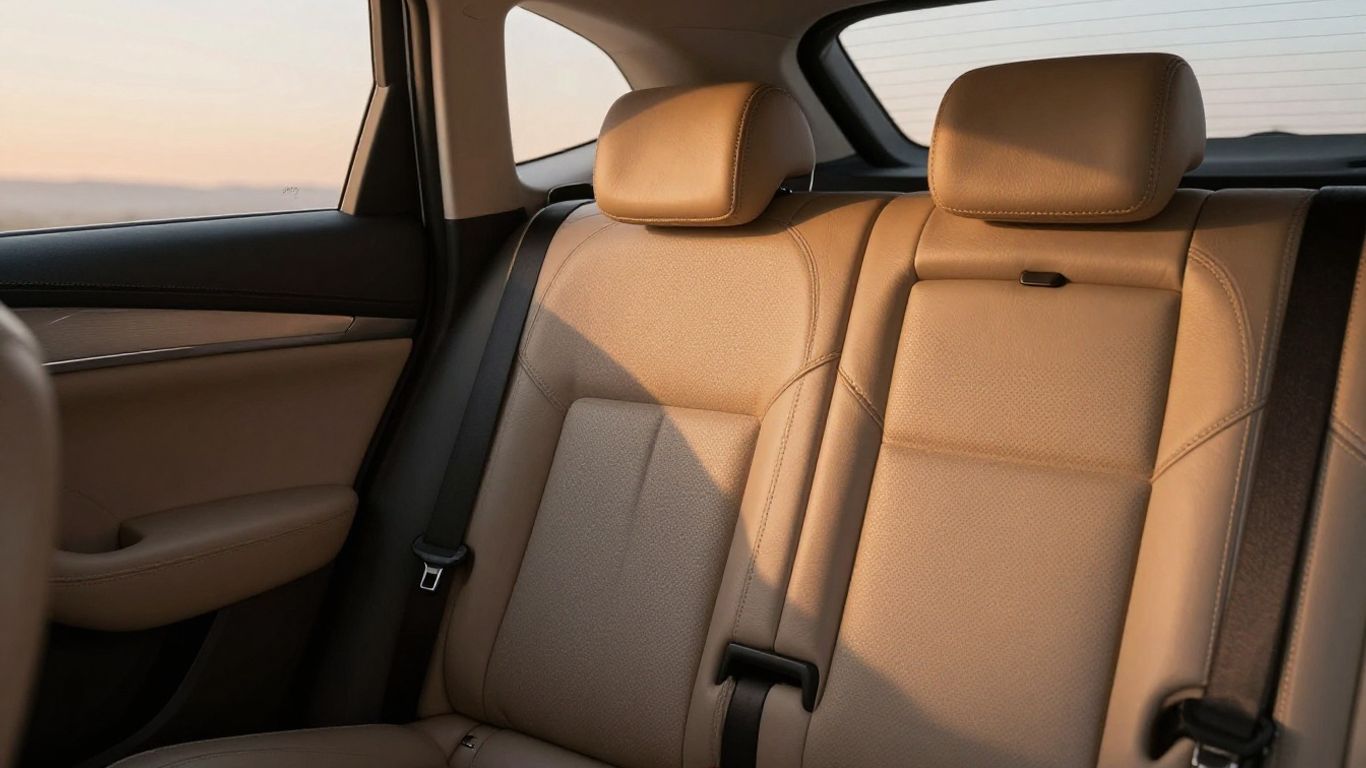
Driving is a fully sensory act that involves sound, sight, and even smell. Curating these details transforms a simple box of steel into a space that reflects your personality. When the exhaust note hits the right frequency, you find it much easier to enter a state of flow while navigating your surroundings.
Adjusting the exhaust profile to match your driving style
Exhaust sound is a significant part of the visceral feedback loop. Finding the right note allows you to gauge speed by ear rather than just looking at the speedometer. If you seek to understand the broad spectrum of what this means to different people, revisit the concept of driving pleasure as documented by experts.
The impact of interior lighting and ambiance on mood
Subtle lighting shifts can dictate the feel of your cabin after sunset. By installing non-distracting, warm illumination, you can foster a sense of focus that helps you stay calm during heavy traffic. It is about creating an environment that respects your headspace.
Managing cabin air quality and fragrance for a fresher commute
Interior freshness significantly affects your level of alertness and overall well-being. A cabin that smells pleasant rather than stagnant keeps you feeling refreshed even on long treks across town. Consider the following simple solutions for maintaining a high-quality atmosphere in your vehicle:
| Item | Function | Maintenance Interval |
|---|---|---|
| Cabin Filter | Filter out pollen and dust | Every 10k miles |
| Air Purifier | Neutralize cabin odors | When necessary |
| Scent Diffuser | Provides subtle fragrance | Monthly refresh |
These additions help define your personal space, ensuring that the time you spend inside your car is always restorative. Good air quality helps prevent the feelings of isolation often associated with driving alone, encouraging a more mindful commitment to the daily commute as suggested by UCLA Transportation research.
Systematic maintenance for consistent reliability
Reliability is the greatest source of peace behind the wheel. When you maintain a rigid ritual of checking your vehicle, the mechanical quirks remain small and manageable rather than turning into expensive surprises. This is how you build long-term trust in your machine.
Developing a preventive maintenance schedule as a rewarding ritual
Treating basic service as a ritual helps you stay in touch with how your car ages over time. By checking fluids, tire pressures, and belt conditions every few weeks, you gain a sense of mastery that keeps you prepared for every drive. Consistent care is the most effective way to boost driver happiness through the empowerment that comes with technical independence.
Tracking the health of vital engine and drivetrain components
Engine health usually dictates whether your next trip will be a success or a headache. Keeping a simple log of oil changes and temperature patterns allows you to spot leaks or irregular engine behavior before they become issues. Regular monitoring of these systems ensures that the car is always ready when you are.
Troubleshooting minor mechanical quirks before they become major issues
Every car develops its own personality, and sometimes that includes a squeak here or a rattle there. Paying attention to these subtle changes early on prevents cascading failures that can ruin the long-term reliability of the car. It is the perfect opportunity to learn how your car is put together.
Curating the perfect driving environment
Setting the stage for a drive involves more than just the mechanical state of the car. Your mindset is the most important factor in whether a trip feels like a chore or an adventure. By refining your environment, you open the door to a more intentional journey.
Building personalized playlists to influence your mindset
Music choices have a direct line to your nervous system. A playlist that reflects your mood or helps you reach a state of calm can turn even a congested highway into a space for introspection. It turns the car into a private listening room where you are the only one who matters.
Organizing the cabin layout for clutter-free travel
Clutter is a distraction that pulls your focus away from the road. Keeping your center console clear and storing loose items properly reduces the mental friction of being on the move. When the car is clean, your mind is clearer and you feel more prepared to face the destination ahead.
Setting the stage for intentional and focused driving experiences
Everything in your driving life, from the seat position to the temperature, should work to facilitate a focused experience. When you provide Drive Happiness for yourself by carefully selecting how you interact with your surroundings, you gain a new appreciation for the simple act of moving through space. It turns the car into a sanctuary, a place where you can be exactly who you are without any outside interference.
Conclusion
Finding satisfaction in your vehicle comes down to the individual parts you choose to emphasize. Whether through refining how the car feels on the road or ensuring that the interior serves your comfort, taking a proactive approach makes driving happiness one part at a time a reality. By blending systematic maintenance with personal touches, you inevitably build a machine that brings joy to every trip.
Frequently Asked Questions
Can I make a slow car fun to drive?
A slower car can be exceptionally fun if you focus on improving its handling precision and driver feedback. Often, lighter vehicles provide more joy because they urge you to maintain momentum through corners.
What are the first things I should upgrade?
Start with the contact points between you and the road, such as tires and suspension bushings. These items provide the most direct influence on how the car handles and feels during steering inputs.
How often should I check my maintenance fluids?
It is a good habit to check your oil, coolant, and brake fluid levels at least once a month. This frequent checking helps you spot leaks early and keeps you familiar with the state of your engine.
Does sound deadening actually work?
Adding quality sound-dampening material does reduce high-frequency wind and tire noise noticeably. While it won’t be as quiet as a luxury limousine, the reduction in drone helps reduce fatigue over long distances.
Is it okay to modify my car if I drive it daily?
Daily driving is perfectly compatible with tasteful modifications. Prioritize changes that add reliability and comfort, and avoid aggressive hardware that might make the vehicle difficult to live with in heavy traffic.
Can I improve comfort without buying new seats?
Absolutely, you can improve comfort by ensuring your seating position is correct and by using ergonomic cushions that support your lower back. Proper lumbar support changes how you feel after even a short duration in the car.
How do I stop anxiety on the road?
Focusing on controlling your environment, such as creating a safe and orderly cabin, helps significantly. Listening to calming music and planning your route in advance allows you to remain focused rather than overwhelmed.