

Key Takeaways
A well-chosen upgrade starts with a clear goal and ends with a plan for fitment, installation, and maintenance. Take time to verify details before ordering.
- Decide whether power, handling, braking, or sound matters most to you.
- Check parts against your Audi’s model, generation, year, and engine.
- Compare genuine, OEM, and aftermarket options by fit, documentation, and warranty.
- Consider supporting parts, installation, tuning, and compliance in your budget.
- Choose a supplier who can explain sourcing, returns, and fitment clearly.
Define your performance goals
The right upgrade depends on what you want the car to do differently, not on the part that sounds most impressive. A quieter commute, sharper cornering, or stronger braking response can each lead to a different shortlist. Start with your driving habits and the condition of the car, then look for parts that address a specific need. That makes it easier to compare options without spending on changes that do not suit your use.
Prioritize power, handling, braking, or sound
Think about the moments when your Audi feels less capable than you would like. If acceleration is the concern, investigate engine-related options; if the car feels unsettled over bumps, handling components may deserve attention first. Braking and sound are separate goals, too, and neither should be treated as an automatic side effect of another modification. A clear first priority helps you judge whether a proposed upgrade is worthwhile.
You may have more than one goal, but rank them before contacting a supplier. For a daily-driven car, a modest improvement that preserves comfort can be more useful than a dramatic change that compromises it. Keep your intended use in view as you compare parts.
Match upgrades to your Audi model and generation
An Audi badge alone is not enough to determine fit. Model, generation, year, engine, drivetrain, and existing options can affect which parts are appropriate, and seemingly similar vehicles may differ. Write down the vehicle details before you start comparing listings; the exact specification is more useful than a broad model name.
If you are unsure which generation or engine you have, check the vehicle documents or confirm the details using the vehicle identification number (VIN). That small step can prevent a promising-looking part from becoming an expensive return.
Set a realistic budget for parts and installation
The purchase price is only one part of the cost. Installation, any necessary supporting components, alignment or tuning, and future servicing may all affect the total. Ask for the full estimate before ordering, and leave room for unexpected work if the car has not been inspected recently.
A good budget also helps you choose between quality used, genuine, and aftermarket parts. Match the option to your goals, the car’s condition, and the support available if something does not fit as expected.
Compare genuine, OEM, and aftermarket parts
The labels used in parts listings can be confusing, and they do not always tell the whole story. Before choosing, establish who made the part, how it is sourced, and what documentation comes with it. Consider fit and support alongside price, especially for components that affect safety or rely on precise fitment. The most suitable choice is the one that fits your car and your plans, not simply the one with the most familiar label.
Understand the differences in fit and sourcing
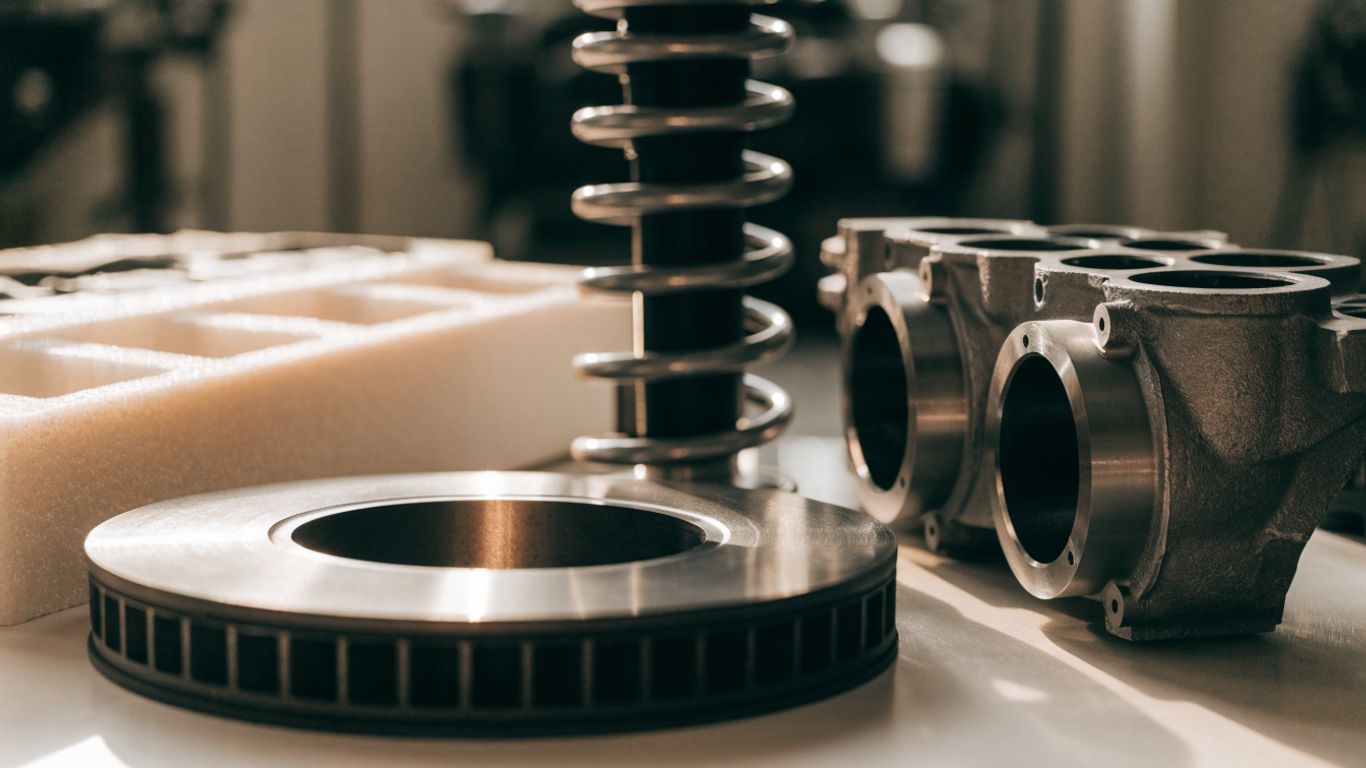
Genuine parts are supplied as Audi-branded parts; OEM generally refers to parts made by an original equipment manufacturer, while aftermarket parts are made for replacement or upgrade outside that genuine-parts channel. The meaning of a listing can vary, so ask the seller to clarify the specific item rather than relying on a label alone.
This comparison can help frame the questions to ask, but it does not replace checking the part number and application. A part described as OEM still needs to match your vehicle, and an aftermarket option should have clear fitment details.
| Option | What to clarify | Useful comparison point |
|---|---|---|
| Genuine | Audi part number and sourcing | Whether the listed part matches your specification |
| OEM | Manufacturer and exact part reference | Whether the application is documented for your car |
| Aftermarket | Brand, fitment, and product details | What support and warranty terms apply |
| Used | Condition, inspection, and included components | Whether its history and returns are clear |
Use the table as a prompt for a conversation, not as a substitute for one. Sellers should be able to explain what they are offering and how they verified fitment. For broader Australian sourcing, you can also review Australian Audi parts options and check the seller’s fitment and return details directly.
Check manufacturer reputation and product documentation
Look for a traceable manufacturer, a clearly stated part number, and documentation that identifies compatible applications. For performance components, installation instructions and any stated limitations can be as useful as headline claims. If the description is vague, ask for a more precise reference before paying.
Documentation is particularly helpful when a part interacts with other systems or when an installer needs to confirm its suitability. Keep product details and correspondence together so they are available later if a question arises.
Weigh warranty coverage against upgrade flexibility
Warranty terms can differ between the part and the vehicle, and modifications may affect coverage in ways that depend on the circumstances. Read the written terms and ask the seller or relevant service provider how the change could apply to your car. Avoid assuming that a warranty covers every related repair or that any modification automatically cancels all coverage.
Aftermarket parts may offer more choice, but flexibility is useful only when the part is properly specified and supported. Compare the actual warranty, return conditions, and technical help rather than relying on broad assurances.
Choose upgrades for your Audi’s systems
A modification rarely exists in isolation. Changes to one area can affect how the car feels elsewhere, so think about the whole system before committing. Start with the current condition of the vehicle and choose upgrades that work together rather than collecting parts based only on individual claims. The following sections offer a practical way to compare common areas of interest.
Evaluate engine and intake modifications
Begin by confirming what the proposed part is designed to change and what else it may require. Ask for the intended application, installation details, and any stated need for calibration or supporting components. A part’s description should make its purpose and fitment clear; if it does not, seek clarification before treating it as a performance solution.
Think about how you use the car, too. A change that suits occasional spirited driving may not be the best fit for a car that spends most of its time in traffic. Keep your target realistic and consider whether the overall setup remains practical for everyday use.
Compare suspension and handling components
Suspension choices involve a balance of response, comfort, and intended use. Compare the parts as a matched setup where possible, and ask how installation might affect alignment or other components. If the car already has worn parts, address those before judging whether an upgrade has improved its behaviour.
For a street car, consider how the setup will feel on the roads you actually use. A firmer ride is not automatically better, and a single component may not deliver the result you expect without compatible supporting parts.
Consider brake and wheel upgrades as a complete setup
Brakes and wheels need careful, vehicle-specific checking. Confirm clearance, dimensions, and compatibility with the existing setup, and ask whether any related parts or installation steps are required. A wheel that appears to fit by size alone may still need further checks against the car and brake package.
Before ordering, use a short checklist to keep the decision grounded:
- Confirm the part numbers and stated applications.
- Check dimensions and clearance requirements for the full setup.
- Ask whether supporting components or alignment work are needed.
- Compare written warranty, return, and installation terms.
Once those details are clear, discuss the proposed combination with an installer who can assess the car itself. A complete, compatible setup is a safer basis for comparison than choosing each part independently.
Check compatibility and compliance
Fitment and compliance deserve attention before a part is ordered, not after it arrives. Use exact vehicle information, keep written records of what a seller confirms, and check requirements that apply to your intended use. Laws and technical requirements can depend on the modification and the vehicle, so confirm current guidance rather than relying on assumptions. A careful check now is usually simpler than correcting a mismatch later.

Confirm fitment using your model, year, and engine
Give the supplier the complete vehicle details, including model, year, engine, and VIN where appropriate. Ask them to confirm the part number and application in writing, particularly if the car has options or prior modifications that could affect fit. Keep the listing or confirmation with your order details.
For online requests, provide the information the seller needs to identify the part. For example, an Audi parts request form asks for vehicle information and the part name or number; use that kind of detail when contacting any supplier, and verify that the form serves your location before relying on it.
Review warranty implications before modifying
Before making changes, review the vehicle warranty terms and ask the relevant provider how the proposed modification could affect coverage. The answer may depend on the part, the installation, and the issue being assessed, so avoid relying on sweeping statements. Keep invoices and installation records in case you need to explain what was changed.
Ask the installer to distinguish between the part’s own warranty and any effect the modification may have on other coverage. Getting that distinction in writing can make the decision clearer.
Check Victorian road rules and emissions requirements
Requirements can depend on the type of modification and how the vehicle is used. Before buying, check current Victorian road rules and applicable emissions requirements with the relevant authorities or a qualified professional. Do not assume that a part is permitted simply because it is advertised for road use or is available for sale.
If a supplier or installer raises a compliance question, ask what specific rule or approval applies and where to verify it. That gives you a concrete point to check instead of relying on informal assurances.
Find a reliable Melbourne parts supplier
A useful supplier makes it easier to establish what a part is, where it comes from, and whether it is likely to fit. In Melbourne, ask how the supplier handles local stock as well as items that need to be sourced from elsewhere. Straight answers and clear written terms matter more than an impressive-looking listing. Use your questions to compare service as carefully as you compare the parts.
Ask about stock, sourcing, and lead times
Check whether the part is physically in stock, needs to be ordered, or will be sourced through a wider network. Ask for an estimated lead time and whether the quote includes the exact part number and all necessary components. If a timeline matters for a repair or installation booking, get the estimate before arranging the work.
A supplier with access to quality used, genuine, and aftermarket parts can offer options at different price points. Ask what is available for your exact vehicle rather than assuming every category will suit every upgrade.
Check returns, warranty support, and technical advice
Before placing an order, read the return conditions and ask how the supplier handles a part that is incorrectly supplied or does not match the confirmed application. Clarify who handles warranty questions and what documentation you should keep. If you need advice, note whether the supplier can explain the product or will direct you to the manufacturer or installer.
Trust checks take different forms across industries: Google reviews and business cards relate to business visibility, while a Brand Building Package concerns online authority. Those examples do not establish automotive fitment, so rely on part details, written terms, and relevant technical guidance for your purchase.
Verify the installer’s Audi experience
Ask who will install the part and what experience they have with your model and type of modification. A qualified installer should be able to discuss the proposed work, identify any related checks, and explain what is included in the quote. For complex work, arrange an inspection before committing to parts that may depend on the car’s existing condition.
When you compare providers, focus on relevant expertise and communication rather than a broad claim of experience. The same habit of checking credentials and support applies in other technical fields, though clinical topics such as advanced wound care or choosing a medical equipment supplier have their own specialist criteria and are not guidance for automotive work.
Plan installation and ongoing maintenance
Buying the right part is only one stage of an upgrade. Installation quality, compatibility with other components, and follow-up checks all affect how the car performs over time. Make a plan before ordering so that parts, labour, and any necessary adjustments are considered together. That can also help you avoid leaving the car unavailable while waiting on a missing component.
Decide which work requires a specialist
Some work is straightforward, while other jobs require tools, diagnostic equipment, or experience with the specific vehicle. Ask the installer to explain what the job involves and whether any inspection or post-installation checks are recommended. If the work affects a safety-related system or requires specialist calibration, do not assume that a general fitting service is sufficient.
Agree on the work scope in advance and confirm what is included in the labour estimate. Clear expectations make it easier to discuss any additional work identified during installation.
Budget for supporting modifications and tuning
A parts quote may not include related items, labour, or tuning. Ask the supplier and installer to identify any dependencies before you order, then compare the combined cost with your original budget. If several changes are planned, consider whether they should be installed together or in stages.
This is also a good point to review documentation and compliance questions. Confirm that the proposed setup is appropriate for your car and intended use, and avoid treating additional modifications as automatic requirements unless they are supported by the part’s instructions or a qualified assessment.
Monitor performance and service needs after installation
After installation, pay attention to changes in noise, ride, braking, and warning indicators, and follow the maintenance guidance for the parts fitted. Keep records of the work, including invoices, part references, and any setup notes. If the car behaves unexpectedly, contact the installer promptly rather than continuing to test it under load.
Use ordinary servicing as an opportunity to check the modified components and their related parts. A simple record of what was changed and when helps make future troubleshooting more straightforward.
Conclusion
Choosing performance Audi parts in Melbourne is less about chasing the most dramatic upgrade and more about matching a well-documented part to your car, priorities, and budget. Confirm fitment, check the terms, and plan installation and maintenance before you buy. With those details in hand, you can make a considered choice that suits how you actually drive.
Frequently Asked Questions
How do I choose the right performance upgrade for my Audi?
Start with a specific goal, such as improving handling or braking, and consider how you use the car. Then confirm the part’s fitment, supporting requirements, and total installed cost.
What information should I provide when checking fitment?
Share the model, year, engine, and VIN where appropriate. Include the part number if you have one, and ask the supplier to confirm the application in writing.
Are genuine parts always the best choice?
Not necessarily. Compare genuine, OEM, aftermarket, and used options based on verified fitment, product documentation, condition, warranty, and your intended use.
What should I ask before buying aftermarket parts?
Ask who made the part, which vehicles it fits, what documentation is available, and what warranty and return terms apply. Also check whether installation requires supporting components or adjustments.
Can modifications affect my vehicle warranty?
They may affect coverage depending on the modification, the warranty terms, and the issue involved. Review the written terms and ask the relevant provider before proceeding.
Do performance modifications need to meet Victorian requirements?
Requirements may depend on the part and how the vehicle is used. Check current Victorian road rules and emissions requirements with the appropriate authority or a qualified professional.
Should I install performance parts myself?
That depends on the work, your experience, and the tools or equipment required. For complex or safety-related work, ask a qualified specialist to assess the job and explain the installation requirements.