
Key Takeaways
Sourcing high-quality salvage components requires careful research and a solid understanding of vehicle mechanics. By following these core principles, you ensure reliable repairs for your luxury vehicle.
- Prioritize reputable dealers with active industry certifications.
- Always match parts using your VIN to ensure compatibility.
- Verify the storage conditions and history of requested components.
- Compare long-term component value against immediate dealership prices.
- Secure a written warranty for any expensive salvaged mechanical part.
Understanding the benefits of recycled Audi components
Repairing a premium German vehicle does not always require purchasing brand-new components directly from a showroom. Many owners are discovering that second hand Audi parts Melbourne offer a sustainable and budget-friendly alternative for maintaining their cars in top condition. By choosing recycled parts, you can often restore your vehicle to its former glory while keeping your finances firmly in check.
Cost savings compared to new dealership prices
Choosing recycled components allows drivers to avoid the steep markups typically associated with brand-new inventory. Savvy owners know that Audi Wreckers provides a vast selection of components that serve as a premier destination for quality used parts at a fraction of the cost of new original equipment. You can effectively manage repair budgets without compromising on the integrity of your engine or body systems.
Environmental impact of choosing recycled auto parts
Opting for salvage parts actively reduces the manufacturing demand for new metals and plastics. When you access a guide to Audi wreckers, you are choosing an eco-friendly path that keeps functional materials out of landfills. Reusing existing German engineering is a practical way to support a circular economy while continuing to drive a high-performance vehicle daily.
Availability of discontinued components for older models
Finding parts for an older luxury vehicle can be a massive headache when official production lines cease operations. Local yards act as a vital safety net for legacy owners, allowing them to track down rare components that simply are not available on modern dealership shelves anymore. This accessibility is essential for keeping classic Audi models on the road instead of turning them into static garage ornaments.
Identifying reputable Audi wreckers in Melbourne
Finding a reliable shop requires looking beyond just the bottom-line price. It is essential to choose a professional facility that prioritizes customer satisfaction and structural integrity in every component they stock.
Checking for industry certifications and licenses
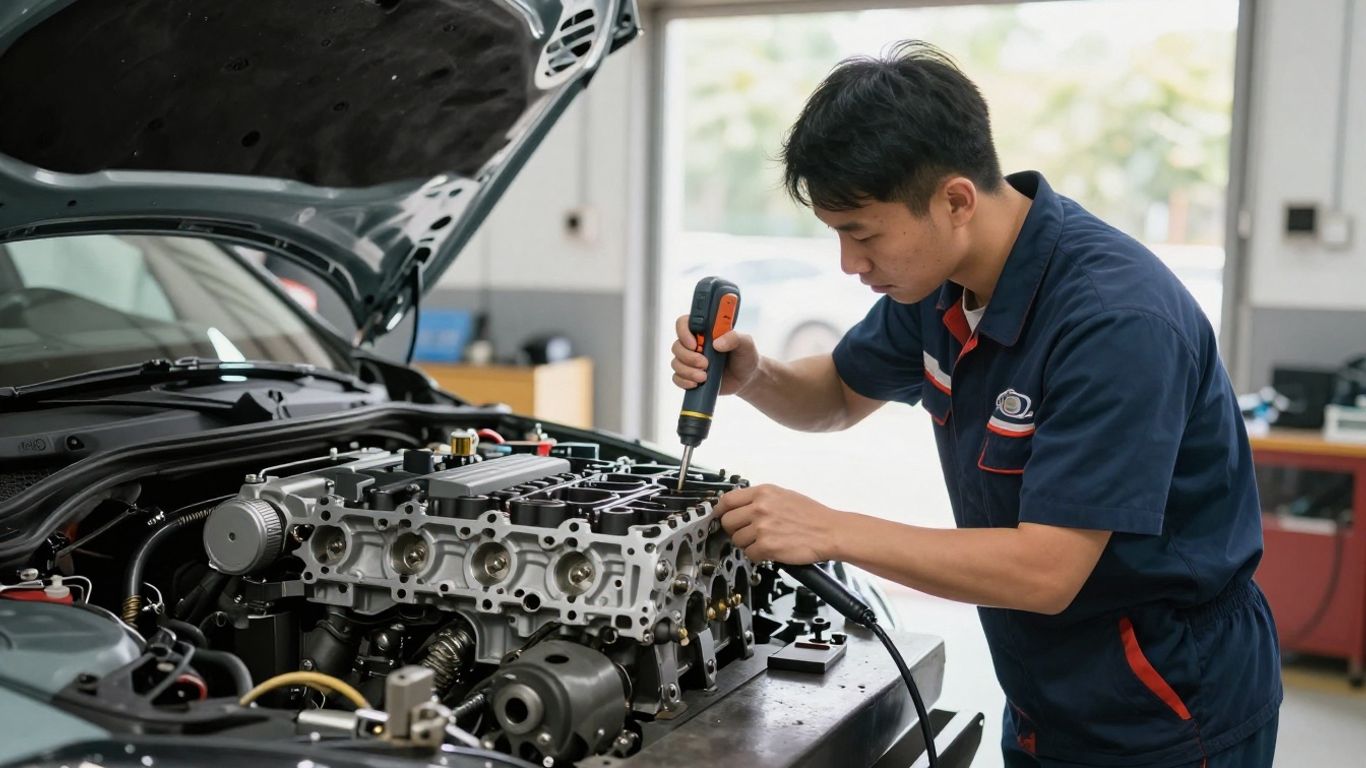
Legitimate operations operate within strict regulatory standards to ensure consumer protection. Always ask if the business holds valid automotive recycling licenses, which indicate they handle hazardous materials responsibly. Look for shops that have been operating for years, as their longevity often correlates with their ability to supply verified and tested vehicle components.
Reading customer reviews and service reputation
Online testimonials offer critical insights into the service levels you can expect from a specific yard. Look for consistent feedback regarding professional interactions and the accuracy of part descriptions provided to previous clients. A healthy reputation among local enthusiasts is a strong indicator of a trustworthy business that cares about its long-term standing in the automotive community.
Evaluating warehouse organization and storage methods
Professional facilities take pride in their inventory management systems to ensure parts do not suffer from exposure or moisture damage. When you engage with German Auto Parts, you are accessing a well-run establishment that focuses on quality genuine vehicle parts collected through standardized dismantling practices. You should feel comfortable asking about their organizational tools and climate-controlled storage areas to ensure that electronics or sensitive internal components remain protected before they reach your hands.
Verifying the quality and history of used parts
It is natural to worry about the condition of a salvaged item, but a proactive mindset will save you trouble later. Focus on the physical evidence left on the part to confirm it matches your specific engineering requirements and is capable of finding high-quality components for your next successful repair project.
Checking for genuine Audi stamps and markings
Authentic parts will always feature clear factory branding, which serves as a badge of reliability. Carefully look for these markings to ensure you are not dealing with inferior third-party aftermarket imitation parts. Original manufacturer labels or stamps are the first line of defense against receiving sub-standard equipment.
Interpreting part numbers and production dates
Every functional unit on your luxury car is coded to match a specific production run. Recording the exact sequence found on your current part is necessary to find an exact mechanical match during your search. Do not settle for close enough, as minor deviations in production dates can result in major installation failures later.
Assessing signs of wear or previous repair attempts
Inspect the surface of the item for uneven wear patterns, excessive rust, or evidence that it has been disassembled previously. If a part looks like it has been forcefully opened or patched with sealant, it is wise to walk away and continue looking elsewhere. High-quality salvaged units should generally be clean and well-preserved.
Navigating common Audi model compatibility issues
Interchangeability is a complex science that rewards those who pay close attention to technical specifications. Understanding these nuances is critical when shopping for Audi Wreckers Melbourne inventory to ensure your chosen hardware integrates seamlessly with your existing systems.
Matching parts by VIN
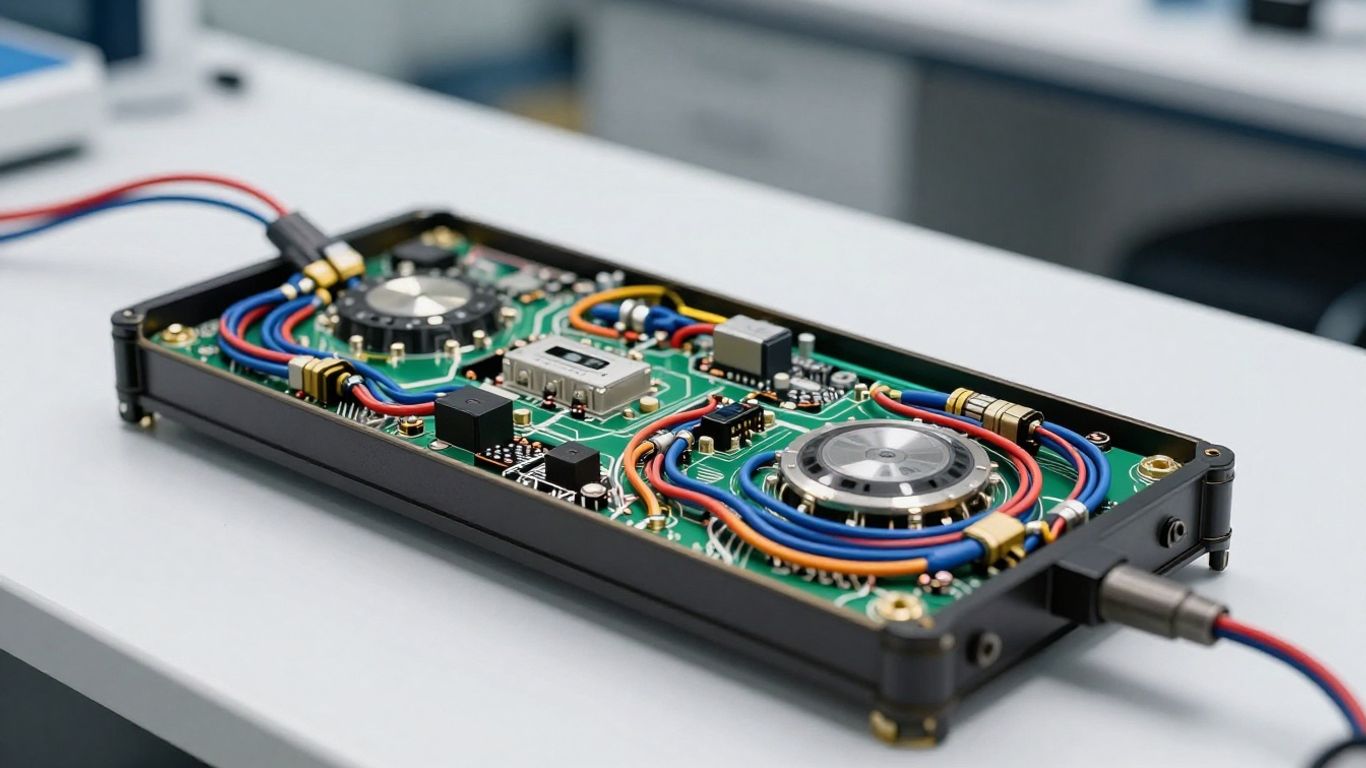
The Vehicle Identification Number is your most reliable tool for tracking the exact build specifications of your car. By cross-referencing this number, you reduce the risk of ordering parts that appear identical but possess different internal electrical pinouts or mounting hardware. Always keep your VIN handy when speaking with a sales representative at a yard.
Understanding the overlap between VW and Audi components
Because of shared platform architecture, many mechanical parts are actually interchangeable between brands, which expands your options when searching for hard-to-find items. When performing a search, it is helpful to verify the specific compatibility of listed units using the following technical list:
- Identify common platform codes shared between vehicles.
- Check if mounting bracket locations align precisely.
- Verify the identical operating parameters and voltage requirements.
- Seek confirmation from a professional technician on specific cross-model fitment.
Understanding these shared characteristics allows you to broaden your search criteria while still prioritizing the mechanical safety and performance standards of your vehicle.
Cross-referencing engine codes for drivetrain parts
Engine codes define the specific internal configurations and power output specs of your car. Drivetrain components, such as transmissions or sensors, are highly sensitive to these codes and will often throw error messages if there is a mismatch. Make sure you match the exact engine code rather than just the model name to prevent performance degradation.
Comparing costs between salvage parts and factory equipment
Managing your total project investment involves weighing several variables beyond the sticker price of the salvaged component. It is wise to consider the total lifetime value rather than just the initial discount.
Factoring in shipping or delivery costs within Victoria
Transportation can add a significant layer of expense if you are not careful. When budgeting for your project, use a formal cost breakdown table to ensure you are accounting for all internal supply chain expenses:
| Expense Category | Estimated Range | Importance Level |
|---|---|---|
| Core Part Cost | $150 – $1,200 | Very High |
| Regional Shipping | $20 – $80 | Medium |
| Professional Testing | $50 – $150 | High |
Using this logic helps you visualize the real cost burden versus the convenience of local sourcing. Do not ignore these operational extras, as they can quickly erode the savings you initially gained from buying used.
Calculating long-term value against potential component failure
A cheap part is never a bargain if it fails again in six months. Calculate the value by considering the life expectancy of the salvaged gear versus the frequency of maintenance required. Sometimes paying slightly more for a low-mileage, certified part is actually the most sound financial strategy over a three-year ownership horizon.
Weighing professional installation costs versus DIY efforts
Labor fees often dictate the overall cost-effectiveness of your repair. If you are handy with tools, you might save hundreds, but complex drivetrain work often requires specialized diagnostic equipment best left to professionals. Balance the risk of a DIY mistake against the peace of mind of a guaranteed professional install, especially for critical safety systems like braking or steering.
Essential questions to ask before purchasing second hand
Asking the right questions upfront prevents frustration and wasted time. Be direct with your contact at the scrapyard to gain full transparency into the origins and health of the equipment you are about to buy.
Requesting detailed photos of the specific part
Never rely on stock library images when purchasing used gear. Insist on getting high-resolution photos that show the item from multiple angles, specifically looking for any cracks or missing components. This visual evidence acts as a safety buffer during the transaction.
Clarifying warranty terms and return policies
Always understand the written rules before handing over your credit card. Ask for a clear explanation of how the warranty works if the part is defective and ensure you have a physical or digital copy of the receipt. Knowing the return window allows you to test the component promptly once you receive it.
Confirming if components have been bench tested or cleaned
A part that is pulled and immediately shipped is a risky bet. Prioritize shops that confirm they have cleaned the unit and performed basic bench testing to ensure the electronics or moving parts are fully functional. This extra step ensures that you receive a ready-to-install piece of equipment.
Conclusion
Successfully sourcing used parts for your car is all about building an informed relationship with your local supplier. By evaluating parts based on historical data, VIN matching, and verified documentation, you ensure your vehicle continues to run at its peak without breaking your budget, ultimately securing a more sustainable future for your automotive repair needs.
Frequently Asked Questions
How often should I perform bench testing on used parts?
Bench testing should be done immediately upon receipt of the part, before any installation begins. This allows you to verify performance while the part is still eligible for a return under your initial purchase warranty.
What if a part number partially matches but is not identical?
Never attempt to force an incompatible part into position, as this can cause cascading failures in modern luxury vehicle systems. If the numbers do not match your original component exactly, continue searching for a direct replacement to prevent long-term drivability issues.
Are all salvaged parts cleaned before sale?
Not every yard provides cleaning services as part of their basic package. It is a good practice to inquire about this specifically; if they do not clean the units, you should factor the time and supplies into your project budget.
How do I check if a salvage component is electrical or mechanical?
Electrical components typically possess clear wiring connectors and sensor housings, while mechanical parts rely on physical gear interaction. If you are unsure, provide your model chassis code to the wrecker so they can confirm the part classification according to the original builder diagrams.
Do warranties for salvage parts cover installation labor?
Most second-hand part warranties cover the cost of the hardware itself but typically exclude mechanical labor fees. Be sure to confirm the exact scope of your warranty coverage in writing before you commit to the purchase of any expensive engine or transmission unit.
Can I return a part if I change my mind about the repair?
Return policies vary significantly between different salvage yards and are often quite strict. Most shops will only accept returns for items that are proven to be defective or incorrectly described, rather than for simple changes of heart or incorrect personal diagnostic errors.
Why is the VIN so important for finding parts?
Manufacturers often make subtle changes to parts throughout the production year of a specific vehicle model. Using the VIN allows the wrecker to pinpoint the exact date and plant where your car was built, ensuring the specific electrical and structural configuration of the part matches your needs perfectly.