

Key Takeaways
A recycled steering rack can be a practical replacement, but the right choice depends on exact fitment and the condition of the individual part. Confirm the details before ordering, and plan for professional installation.
- Match the rack to your Audi’s VIN, part number, drive side, and electronic features.
- Ask whether the rack is used, rebuilt, or remanufactured, and what work was done.
- Request inspection details, warranty terms, and a clear description of included components.
- Compare total costs, including freight, core charges, and potential return shipping.
- Have a qualified technician install the rack, check for leaks or faults, and arrange alignment.
What recycled Audi steering racks are
Recycled Audi steering racks are parts recovered from vehicles rather than supplied new. The term can cover everything from a used rack sold as removed to one that has been inspected or had work carried out. Those differences matter: ask what happened to the specific unit, not just what category appears in the listing.
Used, rebuilt, and remanufactured: key differences
A used rack is generally a part removed from a donor vehicle and offered for reuse; the amount of inspection or testing can vary by supplier. A rebuilt rack has typically had some components repaired or replaced, while remanufacturing usually describes a more extensive process. Terminology is not always applied consistently, so get the supplier’s actual work description in writing.
A quick comparison helps keep the labels in perspective:
| Type | What the label may mean | What to confirm |
|---|---|---|
| Used | Previously fitted and removed from a vehicle | Inspection performed, condition, and history |
| Rebuilt | Some components repaired or replaced | Which parts were changed and what was tested |
| Remanufactured | A more extensive refurbishment process | The defined process, test results, and warranty |
Treat the table as a starting point, not a guarantee of quality. The supplier’s explanation of this particular rack is more useful than a broad label alone.
How recycling and refurbishment typically work
A rack may be removed from a vehicle, identified, inspected, and prepared for resale; a refurbished unit may also receive repairs or replacement components. The precise steps depend on the supplier and the condition of the part, so there is no safe assumption that every recycled rack has been rebuilt or tested in the same way. In broader vehicle-material recovery, the process can differ substantially by material: Audi’s steel-recycling initiative, for example, concerns material for new production, not the condition of a steering rack offered for reuse.
What parts may be reused or replaced
The rack assembly, housing, and other components may remain in place if judged suitable, while seals or other service parts might be replaced during refurbishment. What is included can also vary: a listing may show the rack alone or additional fittings and electronics. Ask for an itemized description, and compare it with what your technician says the car needs before paying.
Why condition and service history matter
Two racks with the same part number may have different histories and condition. Donor-vehicle mileage, signs of impact, storage, and documented testing can all help you judge how much is known about the unit, though none alone promises how long it will last. If a donor vehicle was involved in a collision, ask what is known about the rack and its removal; practical steps for protecting assets after an accident are a separate matter from assessing a component’s condition.
How to check fitment for your Audi
Fitment is more specific than the model name on a parts listing. Model year, trim, steering configuration, and electronic equipment can affect which rack is correct, and similar-looking parts may not interchange. Start with your vehicle’s details and confirm the exact part with a knowledgeable supplier or technician.
Identify the model, year, and trim
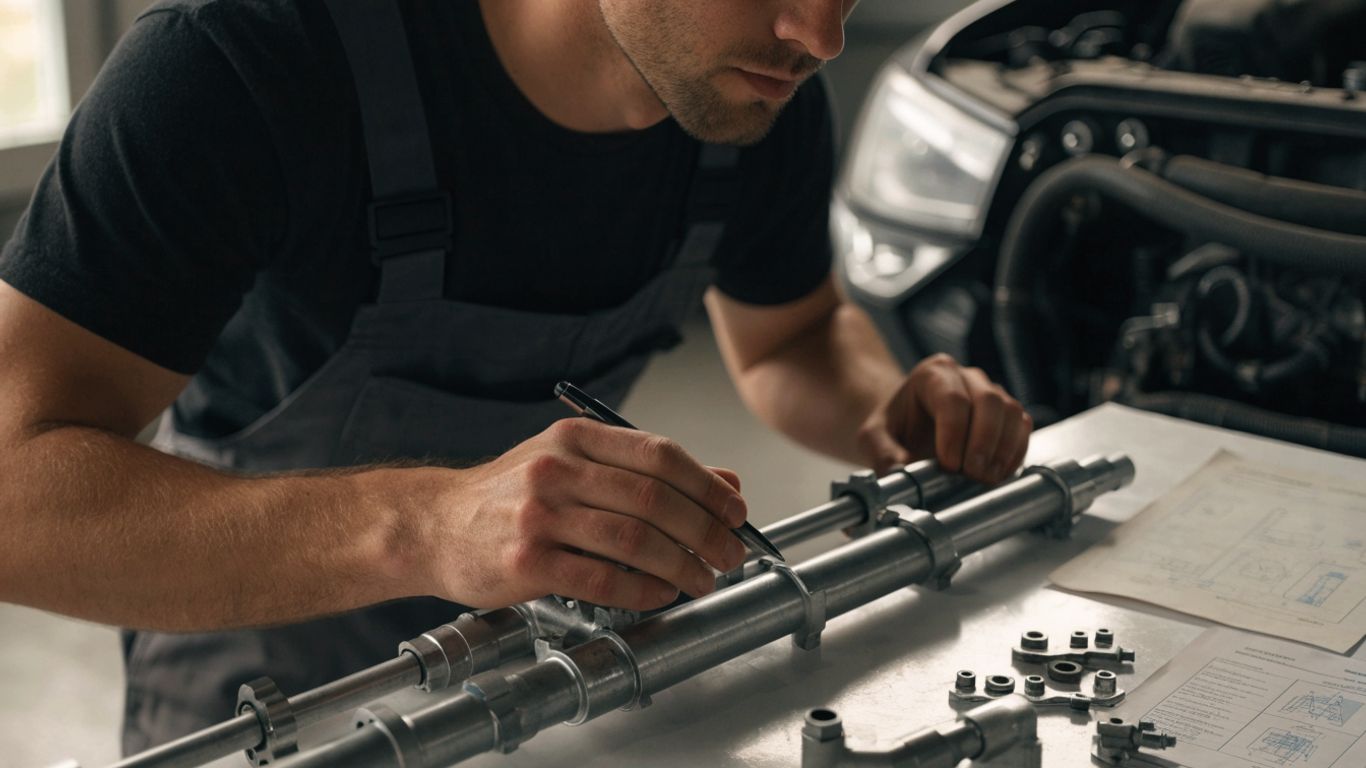
Write down the full model designation, model year, trim, engine, and any relevant equipment information. Registration year and production year are not always the same, so use the vehicle documents or manufacturer information rather than relying on memory. A broad “fits Audi A4” description should prompt further questions, not an immediate order.
Match the steering rack to the VIN
The VIN gives a supplier or technician a stronger basis for checking the vehicle specification than a model name alone. Ask them to verify the rack’s part number against the VIN, and make sure the response identifies the exact unit being sold. A 2010–2012 A4 Servotronic rack listing illustrates why a model range and steering specification are both useful details to check, but it does not establish fitment for every car in that range.
Check left- or right-hand drive compatibility
Confirm that the rack is suitable for the car’s drive side and market configuration. A listing intended for a left-hand-drive vehicle should not be assumed to suit a right-hand-drive one, or vice versa. If you are uncertain, send the VIN and ask the supplier to confirm the configuration in writing before dispatch.
Compare electronic features and connector types
Some steering systems have electronic features that require a compatible rack and connection. Ask whether the replacement matches the original unit’s steering specification, connectors, and any relevant control equipment; photographs can help, but they do not replace a part-number check. For a broader overview of choosing a steering rack replacement, compare the options only after establishing what your Audi requires.
How to assess a rack’s condition and quality
A recycled rack is an individual used component, so its condition deserves a close look before purchase. A clean photograph can be reassuring, but it cannot establish internal condition or prove that the unit was tested. Combine visual evidence with specific questions about inspection, included parts, warranty, and return conditions.
Look for leaks, corrosion, and physical damage
Ask for clear photographs of the housing, mounting points, exposed fittings, and any visible corrosion or fluid residue. Look for dents, cracks, bent areas, damaged threads, or signs of impact, and ask the seller to explain anything unclear. A qualified technician can judge whether a visible mark is cosmetic or a reason to reject the part.
Ask about testing and inspection procedures
“Inspected” can mean a visual check or a more detailed procedure, so ask what was actually done. Find out whether the rack was tested for leaks or operation, who performed the checks, and whether results are available. A useful answer describes the inspection steps and limitations rather than relying on a general assurance that the part is in good condition.
Review warranty coverage and return terms
Read the warranty before ordering, including its duration, exclusions, and any installation or claim requirements. Check the return window, whether a restocking charge applies, and who pays return freight if fitment or condition is disputed. A low advertised price is less informative than the total cost under the terms you would actually receive.
Check whether the rack includes required components
Confirm whether the price covers only the rack or also includes the motor, sensors, fittings, or other components required for your vehicle. The exact list depends on the part and the Audi specification, so compare the listing with the original rack and the technician’s recommendation. This simple check can prevent a mismatch between what arrives and what the repair requires.
How recycled racks compare with other options
A used rack, a refurbished unit, and a new replacement differ in condition, process, price, and availability. There is no single best choice for every Audi; the right balance depends on how much documentation is available and what protection the seller offers. Set a realistic comparison using the total installed cost rather than the listing price alone.
Compare used, remanufactured, and new parts
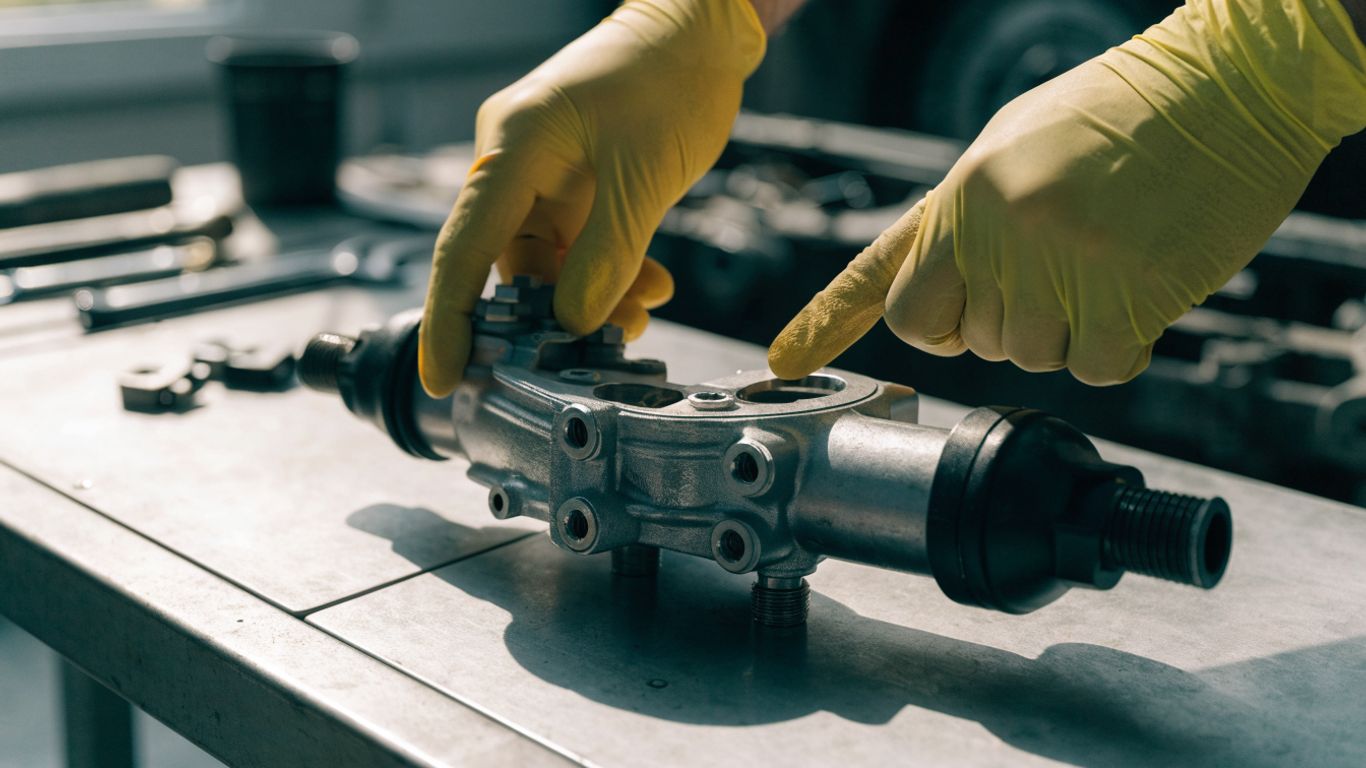
A used part may cost less upfront, while a remanufactured or new unit may come with a different level of refurbishment, documentation, or warranty. The descriptions and protections vary by supplier, so compare the actual terms and condition rather than assuming that one label guarantees a particular outcome. A used Audi steering gear listing is one example of how a listing may specify the steering type and warranty; verify its fitment and terms for the vehicle in question.
Weigh upfront price against warranty protection
Compare the purchase price with freight, installation, alignment, and any core charge or return costs. Then consider what the warranty covers and what steps are required if there is a problem. A longer warranty may be valuable, but only if its exclusions and claim process are clear and workable.
Consider availability for your Audi model
Older or less common configurations may take longer to source, and a nearby listing does not necessarily match the required part number. Ask whether the supplier has the exact rack on hand, how quickly it can ship, and what happens if the fitment check identifies a mismatch. If you are comparing transport options for an international move, a guide to shipping a car overseas covers vehicle logistics rather than the separate costs of sending a component.
Understand the potential environmental benefits
Reusing a serviceable part can keep that component in circulation instead of requiring a new one, though the wider environmental impact depends on its condition, transport, and eventual life in service. It is also helpful to distinguish reuse of a complete component from recycling raw material. For example, Audi’s vehicle-to-vehicle steel recycling describes a material-recovery effort, not a claim that any particular used rack has a lower impact.
How to buy from a reliable supplier
A reliable purchase begins with a clear description of the part and a supplier willing to answer precise questions. The Australian parts network described by the publisher connects customers with quality used, genuine, and aftermarket parts across Melbourne, Sydney, Brisbane, and nationwide; whichever source you use, verify the individual rack and the terms of sale. Keep the key details together so there is a record if a question arises later.
Verify the exact part number and compatibility
Before placing an order, gather the key information that allows a supplier to check the match. A compact request can make the exchange clearer:
- Your VIN and full model, year, and trim
- The original rack’s part number, if available
- Drive side and relevant electronic features
- Confirmation of the supplied rack’s number and included components
Keep the supplier’s written fitment confirmation with the invoice. If an answer is vague or only repeats the model name, pause and ask for a specific part-number check.
Ask about the donor vehicle and mileage
Ask for the donor vehicle’s year, model, and recorded mileage when available, along with any known history relevant to the rack. Mileage is only one clue, not a guarantee of condition, and a missing record should be disclosed rather than guessed. If a supplier shares case studies from another industry, such as Microsoft Dynamics 365 customer stories, remember that an individual story does not establish the condition or suitability of this particular part.
Confirm shipping, core charges, and return costs
Ask when the rack will ship, how it will be packaged, and whether the quote includes delivery to your address. Confirm whether a core charge applies and what is required to return the old unit, including the deadline and freight responsibility. A guide to moving a car overseas deals with vehicle imports and shipping rather than parts freight, so check the rack shipment’s own terms.
Get warranty details in writing
The invoice or written warranty should identify the part, coverage period, exclusions, and claims process. Also ask whether installation by a qualified technician is required and what records you must keep. Clear paperwork matters; even an otherwise thorough content-reuse guide concerns published material, not automotive warranties, so rely on the actual supplier terms for this purchase.
What to expect during installation
Steering work is safety-related and can involve more than swapping one component. Before installation, have a qualified technician confirm that the supplied rack matches the car and inspect related parts for wear or damage. Once fitted, the system should be checked and aligned according to the vehicle and repair requirements.
Have a qualified technician inspect the steering system
Ask the technician to compare the replacement with the original unit before fitting it and check the surrounding steering components. If the part number, connectors, mounting points, or configuration differ, stop and resolve the mismatch rather than forcing installation. This inspection can also identify related issues that would otherwise be mistaken for a problem with the replacement rack.
Replace related seals or components when needed
Whether seals or other components need replacement depends on the condition of the rack and the vehicle. Have the technician assess them during the repair and explain any recommended work before it is carried out. Avoid replacing parts automatically, but do not ignore a damaged seal or fitting simply because the replacement rack itself appears sound.
Arrange steering alignment after installation
Steering or suspension work can affect wheel alignment, so ask the technician whether alignment is required after the rack is installed. Follow the vehicle-specific procedure and keep any service record with the repair paperwork. A car that does not track or steer as expected should be checked rather than treated as a normal settling-in period.
Test for leaks, warning lights, and unusual steering behavior
After installation, have the system checked for leaks and warning lights, and pay attention to unusual noises, stiffness, or inconsistent steering. The technician should follow the appropriate checks for the specific vehicle and confirm that electronic features operate as expected. A short road test and a follow-up inspection can help catch concerns early.
Conclusion
Choosing a recycled Audi steering rack is mostly a matter of verifying the exact fit, understanding the part’s history, and knowing what the seller will stand behind. Take time to compare condition and total cost, keep written records, and let a qualified technician confirm the part and complete the installation.
Frequently Asked Questions
Are recycled Audi steering racks the same as remanufactured racks?
No. A recycled rack may simply be a used part offered for reuse, while a remanufactured rack generally involves a more extensive refurbishment process. Ask the supplier what work was actually performed.
How do I know which steering rack fits my Audi?
Use the VIN and original part number where possible, then confirm drive side, steering specification, connectors, and included components with the supplier or a technician.
Is a used steering rack worth buying?
It can be an option when fitment is confirmed and the condition, inspection details, total cost, warranty, and return terms are acceptable. Compare the specific part rather than relying on its category label.
What should I ask about a rack’s condition?
Ask about the donor vehicle and mileage, visible damage or leaks, inspection and testing steps, and whether any components were repaired or replaced. Request photographs and written answers where available.
Does a recycled steering rack come with a warranty?
Warranty terms vary by supplier and part. Confirm the coverage period, exclusions, installation requirements, claim process, and return costs before ordering.
Should a steering rack be professionally installed?
Yes. Steering is safety-related, and a qualified technician can verify fitment, inspect related components, carry out the installation, and check whether alignment is needed.
What should I check after installation?
Ask the technician to check for leaks, warning lights, unusual noises, stiffness, and inconsistent steering. Follow the vehicle-specific inspection procedure and arrange a follow-up if anything feels wrong.