

Key Takeaways
Finding TT used parts Australia buyers can trust takes more than locating the lowest advertised price. Match the part carefully, check its condition, and account for freight and installation before committing.
- Identify the TT generation, engine, transmission, and drivetrain before searching.
- Use OEM or casting numbers and confirm details against the VIN.
- Ask about mileage, testing, warranty coverage, and return conditions.
- Compare the total delivered cost with new and aftermarket alternatives.
- Use qualified installers for electronic, structural, and safety-critical components.
Understanding the Audi TT used parts market in Australia
The Australian used-parts market covers a wide spread of Audi TT years, body styles, specifications, and trim levels. Availability changes constantly because stock depends on vehicles being dismantled, their condition, and the demand for particular components. A careful search can make an older TT easier and more affordable to keep on the road.
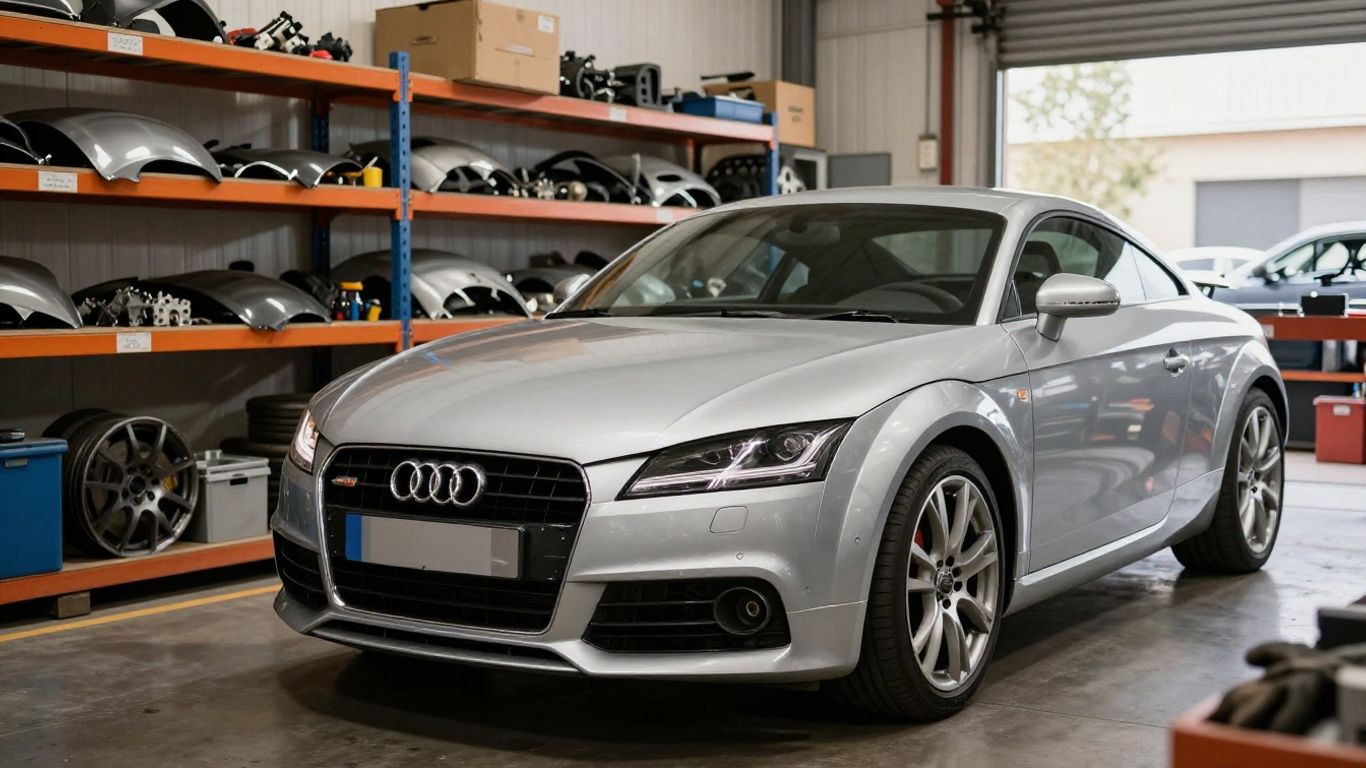
Which Audi TT generations and variants are covered
Most searches begin with the three broad TT generations: the first-generation 8N, the second-generation 8J, and the third-generation FV. Parts listings may also distinguish between coupe and roadster bodies, front-wheel drive and quattro versions, petrol engines, and manual or automatic transmissions. Those distinctions matter because a part that looks similar may not fit or function correctly across variants.
Why owners choose used parts over new replacements
Used parts can be a sensible option when a replacement is no longer readily available, when a matching factory component is preferred, or when the vehicle’s age makes a new part hard to justify financially. A used item is not automatically a bargain, though. Its price should be weighed against testing, warranty, freight, installation, and the likely service life remaining.
For a broad starting point, Partfinder Australia connects buyers with used car part sellers across Australia and allows them to compare available options. That can be useful when local stock is limited, but the final decision still belongs to the buyer and mechanic.
Commonly available parts from Audi TT wreckers
Wreckers commonly list body panels, lights, glass, wheels, interior trim, seats, mirrors, engines, transmissions, suspension components, and assorted electrical parts. The exact range varies by the vehicles currently in stock. Smaller trim pieces can sometimes be harder to source than major mechanical assemblies because they are removed less consistently or sell quickly.
How vehicle condition affects part availability
A damaged TT may still provide an excellent engine, gearbox, interior, or electronic module, while a flood-affected or heavily burned vehicle may offer very little suitable stock. Ask how the donor car was damaged and whether the requested item was exposed to impact, water, heat, or long-term outdoor storage. That history gives more useful context than a simple “used” label.
How to find reliable TT used parts in Australia
A reliable search combines specialist dismantlers, broad marketplaces, and practical local advice. Start with the exact part and vehicle details rather than browsing random listings. The more information you provide at the first enquiry, the less time is lost on unsuitable offers.
Searching specialist Audi TT wreckers
Specialist wreckers are often familiar with recurring differences between TT generations and drivetrains. Give them the model year, VIN, engine code if known, transmission type, body style, and the number printed on the old part. Ask whether the component has been tested, photographed before removal, and stored indoors.
Comparing online marketplaces and salvage yards
Online listings make it easier to compare price and availability, while a physical yard may let you inspect a component before purchase. Compare like with like: a tested assembly with a warranty is not equivalent to an untested item sold as-is. Look for clear photos of connectors, mounting points, labels, and visible wear.
Using your state or territory to narrow the search
Freight can change the economics of a used part, especially for doors, bumpers, glass, engines, and transmissions. Searching by state or territory may reveal a nearby supplier and make collection or inspection possible. Partfinder Australia has suppliers located across Australian states, so its network can be a useful way to begin a geographically wider search without treating every listing as equally suitable.
Asking repair shops and Audi enthusiast communities
A workshop that regularly services European vehicles may know which measurements or identification marks are critical for your repair. Enthusiast groups can also help identify common interchange problems, but their suggestions should be checked against the VIN and the repairer’s advice. Community knowledge is a useful lead, not a substitute for fitment confirmation.
A simple enquiry checklist keeps conversations focused:
- State the exact year, generation, body style, and drivetrain.
- Include the VIN and every number visible on the old component.
- Ask for test results, mileage, damage history, and storage conditions.
- Request the complete delivered price and written warranty terms.
After receiving replies, compare the details rather than choosing the first low quote. A slightly higher price may be worthwhile if the seller can demonstrate compatibility and offer a practical return process.
Identifying the correct Audi TT replacement part
Correct identification is the point at which many apparently cheap purchases either become successful repairs or expensive mistakes. Audi TT parts can vary with production year, engine, transmission, equipment level, and drivetrain. Treat the listing description as a starting point and verify the component independently.
Matching the part to the model year
Use the build date or model year, not just the registration year, when checking a replacement. Facelifts and running changes can alter connectors, brackets, sensors, trim shapes, and control units. Photos can help, but dimensions and mounting points are more reliable than appearance alone.
Checking engine, transmission, and drivetrain specifications
An engine component, gearbox part, driveshaft, differential, or electronic module may depend on the precise drivetrain. Record whether the car is manual or automatic and whether it uses front-wheel drive or quattro. Engine size alone may not identify the correct item, particularly when several configurations were sold in overlapping years.
Using OEM, manufacturer, and casting numbers
The number on the old part is often the most efficient route to a useful match. Photograph the full label before removing it, including suffixes, revision letters, and any manufacturer markings. A seller can then compare the number with their stock and explain whether a superseding or alternate reference is appropriate.
Confirming compatibility with VIN details
Send the VIN to the seller or parts specialist before payment and ask for confirmation in writing. VIN-based checking can expose differences that are not obvious in a generic listing. Keep that message with the invoice in case a return or warranty discussion is needed later.
Evaluating the condition and value of used Audi TT parts
Condition is more than a visual rating. A clean panel can hide poor alignment, and a tidy electronic module may have an intermittent fault that appears only after installation. Ask direct questions, request useful photographs, and price the part according to evidence rather than optimism.
Questions to ask about mileage and vehicle history
For engines, transmissions, turbochargers, alternators, and other wear-prone components, ask for the donor vehicle’s mileage and why it was dismantled. Find out whether the vehicle was running before recovery and whether the component was tested after removal. If the seller cannot provide a meaningful history, treat the uncertainty as part of the price.
Inspecting body panels, interior components, and trim
Look for dents, creases, rust, paint mismatch, broken mounting tabs, sun damage, stains, and missing fasteners. Interior pieces should be checked for cracks, worn surfaces, damaged clips, and colour differences. For panels and glass, confirm whether freight protection and collection inspection are available before ordering.
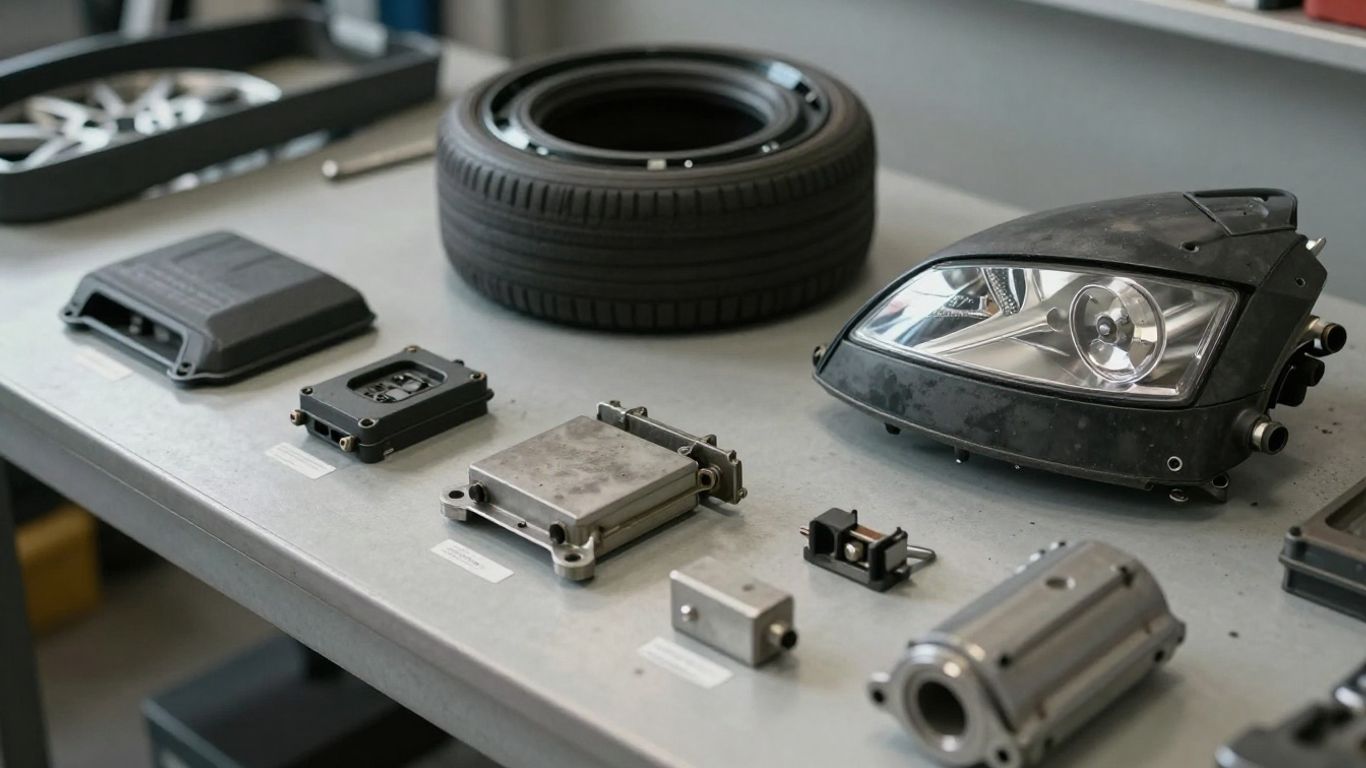
Assessing mechanical and electronic parts
Mechanical parts should be checked for leaks, excessive play, corrosion, damaged threads, and signs of overheating. Electronic parts deserve equal care: inspect plugs and pins, ask whether warning lights were present, and clarify whether coding may be required. A seller’s test procedure is more valuable than a vague statement that the item “looks good.”
Comparing used-part prices with aftermarket alternatives
A used factory component may offer a close match, but aftermarket alternatives can sometimes provide a new warranty or a different expected service life. Compare the complete cost, including freight, seals, fluids, programming, labour, and the consequences of a failed part. The following framework helps keep the comparison grounded:
| Cost factor | Used part | Aftermarket part | Question to ask |
|---|---|---|---|
| Purchase price | Usually lower | Varies by supplier | What is included? |
| Condition | Existing wear possible | New component | Is testing documented? |
| Warranty | Seller-dependent | Manufacturer or seller terms | How long and under what exclusions? |
| Fitment risk | Donor specification matters | Brand and application matter | Has compatibility been confirmed? |
The cheapest purchase price is therefore only one line in the calculation. Choose the option that offers a reasonable balance of fit, evidence, support, and total installed cost.
Buying TT used parts safely online
Online buying is convenient, particularly when a suitable TT is not being dismantled nearby. It also removes the chance to inspect the part personally, so the listing, seller communication, and payment record become important evidence. Slow down when a description is vague or the seller avoids basic fitment questions.
Reviewing seller ratings, photos, and descriptions
Read recent ratings for comments about accuracy, packaging, communication, and returns rather than relying only on a star score. Ask for current photographs if the listing uses stock images. The description should identify the donor vehicle and show enough detail to compare connectors, brackets, finish, and part numbers.
Confirming warranty and return conditions
Before paying, ask whether the part is tested, how long the warranty lasts, and what voids it. Confirm who pays return freight, whether labour is excluded, and whether electrical items are covered differently. Save the written terms, because a phone promise is difficult to rely on when a dispute arises.
Calculating shipping costs across Australia
Request a delivered quote rather than comparing advertised prices alone. Large or fragile parts may need special packaging, depot collection, insurance, or a tailgate service. Check the delivery address carefully, especially if the part is going to a workshop or regional location.
Protecting payments and documenting the transaction
Use a payment method with a clear record and avoid sending money when the seller will not provide an invoice or identifying details. Keep screenshots of the listing, messages, photographs, invoice, tracking information, and delivery condition. That small file can make a return or freight claim far easier to manage.
Installing and maintaining used Audi TT parts
The installation decision depends on the part, the vehicle’s systems, and the consequences of an error. Some replacements are straightforward; others require specialist tools, adaptation, or a careful inspection of related components. Budget for diagnosis and installation before deciding that a used part is the economical choice.
When professional installation is recommended
Use a qualified mechanic for engines, transmissions, suspension, steering, braking systems, structural panels, and components that affect wheel alignment. Professional installation also helps identify an unrelated fault that may have caused the original part to fail. Ask the workshop to inspect the replacement before it is fitted.
Parts that require coding, calibration, or programming
Control modules, some sensors, instrument-related components, and certain electronic assemblies may need coding, calibration, or programming after installation. Confirm this requirement with the repairer and seller beforehand. A part that physically fits is not necessarily ready to operate when connected.
Checking safety-critical components before installation
Do not install a safety-critical component solely because it is inexpensive or visually clean. Check airbags, seat-belt components, brakes, steering parts, suspension pieces, tyres, and glass for damage, recalls, contamination, or missing certification information. When the history is uncertain, ask a professional to recommend a safer replacement path.
Maintaining replacement parts for longer service life
Follow the workshop’s fitting instructions and replace associated seals, clips, fluids, or fasteners when required. Keep electrical connectors dry, address leaks promptly, and inspect used suspension or trim components during routine servicing. Record the installation date, part number, donor details, and warranty period for future reference.
Legal, environmental, and disposal considerations
Buying a used part does not remove ordinary responsibilities around road safety, consumer transactions, or waste handling. Requirements can differ between Australian states and territories, and a component suitable for a repair may not be acceptable for every road-use application. When uncertain, ask the installer or the relevant state authority before fitting it.
Understanding Australian vehicle-part and warranty requirements
Ask whether the part is permitted for the intended repair and whether any certification or inspection applies. Warranty terms should be supplied clearly, including exclusions and the process for making a claim. Keep invoices and identification records, particularly for major assemblies and safety-related components.
Choosing licensed wreckers and responsible recyclers
Prefer suppliers that can identify the donor vehicle, issue documentation, and explain how removed parts and waste are handled. Responsible dismantling protects workers, reduces uncontrolled dumping, and improves the chance that usable components have been stored properly. A transparent seller should not object to reasonable questions about licensing or recycling practices.
Handling airbags, fluids, batteries, and other hazardous components
Airbags, batteries, oils, coolant, refrigerant, fuel, and brake fluid need controlled handling and should not be treated as ordinary household waste. Do not dismantle pyrotechnic safety equipment or drain fluids onto the ground. Have a qualified facility remove, store, transport, and process hazardous items.
Disposing of replaced Audi TT parts responsibly
Old metal components can often enter an approved recycling stream after fluids and hazardous materials have been removed. Batteries, tyres, glass, electronics, and contaminated parts may require separate collection. Ask the workshop or local council where each material belongs, and retain disposal receipts when they are provided.
Conclusion
A successful TT used parts Australia purchase starts with precise identification and ends with safe installation and responsible disposal. Compare the whole cost, demand useful evidence about condition, and use professional advice when fitment or safety is uncertain. That approach makes affordable used spares a practical choice without treating low price as the only measure of value.
Frequently Asked Questions
Are used Audi TT parts worth buying?
They can be worthwhile when the part is correctly matched, its condition is understood, and the total cost remains lower than a suitable new alternative. Warranty, freight, installation, and expected remaining service life should all be included in the comparison.
How do I identify my Audi TT generation?
Start with the build or model year, then confirm the generation, body style, engine, transmission, and drivetrain using the vehicle records and VIN. A parts specialist or mechanic can help resolve differences between similar-looking variants.
Can I use a part from another TT year?
Sometimes, but interchangeability should never be assumed from appearance alone. Check the OEM number, connectors, mounting points, specifications, and VIN compatibility before ordering.
What information should I give a parts seller?
Provide the VIN, model year, generation, body style, engine details, transmission, drivetrain, and the number printed on the original part. Photos of labels, connectors, and mounting points can also reduce identification errors.
Do used electronic parts need programming?
Some electronic assemblies may require coding, calibration, or programming after installation. Confirm the requirement with a qualified repairer before buying, and ask whether the seller supports returns if the component cannot be adapted.
How can I reduce freight costs in Australia?
Compare suppliers near your state or territory, request a delivered quote, and ask about depot collection for large parts. Packaging, insurance, regional surcharges, and workshop delivery can all affect the final amount.
How should I dispose of a replaced part?
Separate hazardous materials such as fluids, batteries, and airbags from ordinary metal or plastic components. Use a qualified workshop, licensed recycler, or local disposal service that accepts the specific material.