

Key Takeaways
A used Audi A4 part can be a sensible repair choice when its identity, condition, and fitment are properly checked.
- Confirm the VIN, model generation, engine, transmission, and drivetrain before ordering.
- Ask for clear condition details, photos, testing information, and warranty terms.
- Compare used, reconditioned, new, and aftermarket options rather than choosing on price alone.
- Use a qualified mechanic for safety-critical installation and coding work.
- Choose a wrecker that handles dismantling and hazardous materials responsibly.
Understanding Audi A4 wrecking services in Sydney
An Audi wrecker dismantles damaged, end-of-life, or uneconomical vehicles and separates usable components from materials for recycling. For owners searching for A4 wrecking Sydney services, the attraction is straightforward: a compatible used part may restore a vehicle without the price of a new dealer component. The process still requires care, because Audi A4 parts vary considerably between generations, engines, body styles, and drivetrains.
What an Audi A4 wrecker does
A wrecker assesses a vehicle, removes reusable assemblies, records identifying information, and stores parts for later sale. Depending on the vehicle, that may include mechanical components, body panels, interior pieces, lighting, suspension parts, and electronic modules. A reputable operation also separates damaged or unsafe components rather than treating every removed part as saleable stock.
The useful distinction is between dismantling and simply selling old parts. Good stock should have a traceable source and a clear condition description. Buyers should be able to ask whether a component was tested, visually inspected, or sold strictly as an untested item.
Why drivers choose used A4 parts
Used parts can reduce the cost of repairing an older A4, especially when the original replacement is expensive or no longer readily available. They may also preserve factory specifications, since many are genuine components removed from another Audi rather than newly manufactured substitutes. That does not make every used part equal, though; mileage, storage, corrosion, previous damage, and compatibility all matter.
The strongest value usually comes from matching a sound part to the exact vehicle. Fitment before price is the practical rule: a cheap module or trim piece that cannot be installed is not a saving. Some Sydney suppliers describe weekly dismantling and technician checks, while Fairfield Auto Parts presents used Audi parts as a cost-conscious and sustainable repair option.
Audi A4 generations and model variations
The A4 has appeared across several generations, commonly identified by internal codes such as B5, B6, B7, B8, and B9. Within each generation, the sedan, Avant wagon, Cabriolet, S line variants, petrol and diesel engines, front-wheel drive, and quattro systems can use different components. Even two cars from the same year may not share every sensor, control unit, bumper, or transmission part.
Treat the model year as a starting point, not a final fitment answer. Engine code, gearbox type, steering position, body style, and production changes can all affect compatibility. A part described only as “A4” is rarely identified well enough for a confident purchase.
New, used, reconditioned, and aftermarket parts compared
Each replacement category has a different balance of price, condition, and risk. New genuine parts offer a predictable baseline but can be costly; used parts may provide factory-origin components at a lower price; reconditioned units have been repaired or refurbished; and aftermarket parts vary widely by manufacturer and specification.
| Part type | Typical advantage | Main question to ask |
|---|---|---|
| New genuine | Predictable specification | Is the price justified for this repair? |
| Used genuine | Lower cost and factory origin | What is the mileage and tested condition? |
| Reconditioned | Serviced or rebuilt component | What work was completed and documented? |
| Aftermarket | Wider price and supply options | Does the brand and specification suit the A4? |
The right choice depends on the component. A used trim piece may be a simple decision, while a transmission, airbag-related item, or electronic module may justify stronger documentation and professional inspection.
Finding the right A4 wrecker in Sydney
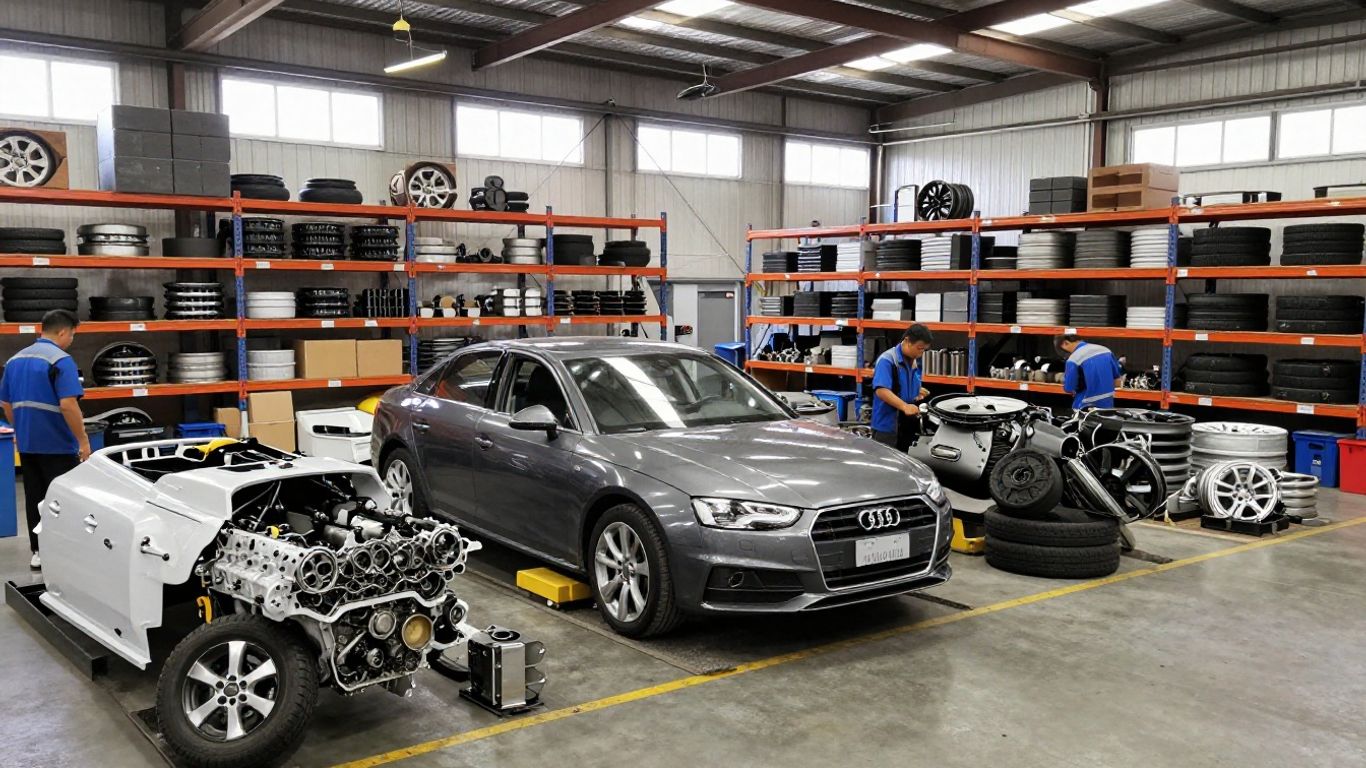
Sydney buyers have access to dismantlers, warehouses, online inventories, and interstate networks, so the nearest seller is not always the best match. Start with the required component and vehicle details, then compare how clearly each supplier describes stock. A good enquiry should lead to a specific answer rather than a vague promise that a part “should fit.”
Local availability and vehicle dismantling networks
Local stock can shorten delivery times and make collection or inspection easier, but network access can expand the range of years and variants available. Online listings may show parts from several states, so check the seller’s actual location and delivery arrangements before paying. S-Twins describes used Audi parts for several models, including the A4, with shipping across Australia.
A supplier with a broad dismantling network may locate an uncommon component faster than a small yard. Still, availability changes constantly. Ask whether the listed item is physically in stock, reserved, complete, and ready to dispatch.
How to assess parts quality and condition
Condition should be described in practical terms. For a panel, that means noting dents, scratches, colour variation, mounting damage, and rust. For a mechanical or electronic part, ask what was tested, whether the vehicle was running before dismantling, and whether connectors, seals, or attached accessories are included.
Photographs should show the actual item, not only a catalogue image. A clear image of mounting points and identification labels can prevent an expensive mismatch. If a part is untested, treat that as a different purchase category and price it accordingly.
Checking supplier reputation and customer support
Reputation is more than a star rating. Look for consistent descriptions, responsive answers, clear invoices, and a stated process for damaged deliveries or incorrect fitment. Parts Experts describes VIN support, inspection, testing, and delivery across Sydney, which are useful service features to look for when comparing suppliers.
Customer support matters most when a part has several variations. A seller who asks for the VIN and engine details is generally giving the fitment question the attention it deserves. Keep written records of the enquiry, quoted part number, condition, warranty, and freight terms.
Questions to ask before placing an order
A short, precise enquiry helps both sides avoid confusion. Include the A4 year, body style, engine, transmission, drivetrain, and the component needed. You can also use an Australian used-parts listing to compare model variations; A4 parts availability is one example of the kind of information that may appear in a broader search.
Before confirming the purchase, ask these questions:
- Is this the exact part removed from the vehicle described?
- What is the part number, mileage, and tested condition?
- Are brackets, sensors, keys, modules, or trim pieces included?
- What warranty and return conditions apply?
- How will the part be packaged and delivered?
The answers should be specific enough for your mechanic to assess. If they are not, pause and collect better identification details before sending payment.
The most commonly sourced Audi A4 parts
A4 owners seek both large assemblies and small items that can be surprisingly expensive when bought new. Demand tends to follow common repair failures, collision damage, wear items, and discontinued interior or electronic components. The most useful search is therefore organised by system rather than by a broad phrase such as “Audi parts.”
Engine and transmission components
Common enquiries include complete engines, cylinder heads, turbochargers, alternators, starters, intake parts, injectors, radiators, gearboxes, mechatronic units, and driveshaft components. These parts need careful matching because engine output, fuel type, emissions equipment, gearbox code, and quattro configuration can change the specification.
Ask for compression or running information where relevant, plus oil contamination checks, mileage, and the included accessories. A bare engine, long motor, and complete engine package are not interchangeable descriptions. Transmission buyers should confirm whether the quoted unit includes its control hardware and whether programming or adaptation will be required.
Body panels, lights, and exterior trim
Doors, guards, bonnets, boots, bumpers, grilles, mirrors, headlights, tail lamps, and window components are frequent wrecking purchases after a collision. Colour is helpful but not conclusive, since paint can fade and trim levels can differ. Confirm mounting points, sensor apertures, parking-camera provisions, and headlight technology before ordering.
For visible parts, ask for photographs in natural light and close-ups of edges and attachment points. A panel that looks acceptable from the front may have hidden distortion around its mounts. Shipping protection is also important, particularly for bumpers, glass, and lighting assemblies.
Interior features and electronic modules
Interior stock may include seats, consoles, door cards, switches, climate controls, instrument clusters, infotainment units, window regulators, and comfort modules. Electronic parts can be more complicated than they appear because coding, component protection, keys, and vehicle configuration may affect installation.
Confirm whether the module is supplied with its connector, matching key, screen, or trim surround. Ask whether it has been powered or tested and whether the supplier accepts a return if a qualified technician confirms incompatibility. Cosmetic condition matters too, especially for leather, soft-touch plastics, and brushed trim.
Suspension, steering, and braking parts
Suspension arms, hubs, wheel bearings, steering racks, calipers, brake boosters, ABS components, and subframes may all be available from a dismantled A4. These are safety-related parts, so visible wear, corrosion, impact damage, and hydraulic condition deserve close attention.
Do not assume a part is suitable simply because it came from an A4. Sport suspension, standard suspension, engine weight, wheel size, and drivetrain can change the specification. Have a mechanic inspect questionable parts and replace wear items such as seals, boots, or bearings where appropriate.
How to identify the correct Audi A4 part
Correct identification prevents most avoidable used-parts problems. Gather the vehicle’s complete details before searching, and photograph the old component if removal is already underway. A seller can then compare the physical item, VIN information, and part number instead of relying on a general model description.
Using the VIN and vehicle identification details
The VIN is the best starting point for narrowing a vehicle’s build and equipment. Supply it along with the registration details, model year, body style, engine size, and transmission information. The VIN does not replace visual confirmation, but it gives the seller and mechanic a stronger basis for checking fitment.
Keep the old part available until the replacement arrives when possible. Labels, connectors, mounting holes, and casting marks can reveal differences that a catalogue search misses. Audi Wrecking is another example of a dismantling service whose listed range includes engines, gearboxes, body panels, and other Audi parts.
Matching model year, engine, and drivetrain
A4 model changes are not limited to a new badge or registration year. Petrol and diesel systems use different components, while front-wheel-drive and quattro vehicles may have different transmissions, axles, hubs, and underbody parts. S line equipment and body-style differences can also affect suspension, bumpers, seats, and trim.
Write the details down in one line when contacting a supplier. For example, include the year, generation if known, engine code, transmission, drivetrain, body style, and left- or right-hand position. That format makes it easier to compare replies from different wreckers.
Reading part numbers and compatibility information
Part numbers are useful, but they should be read alongside the VIN and the physical design. A superseded number may replace an earlier one, while a visually similar number may belong to a different engine or equipment package. Ask the supplier to confirm whether the number is an exact match, an approved replacement, or only a possible cross-reference.
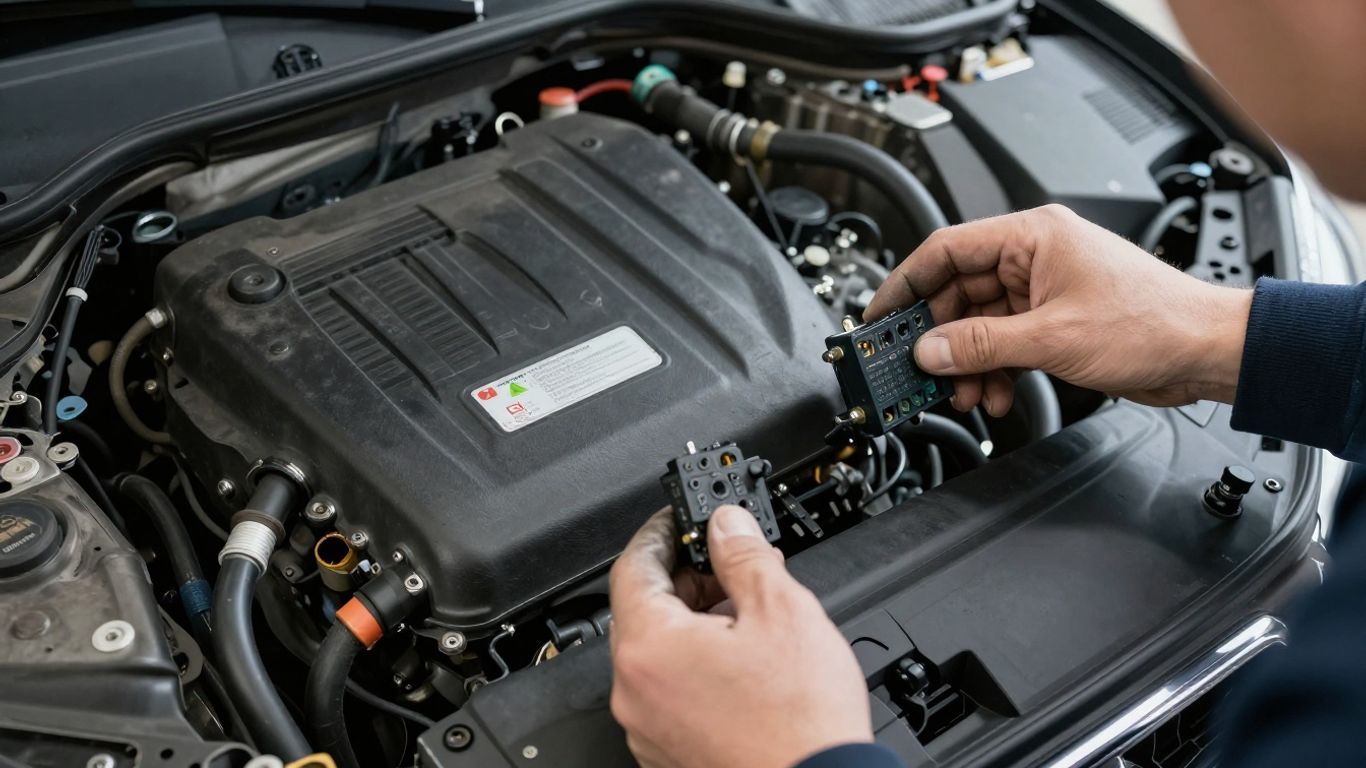
Take photos of labels before discarding the old component. A part number, revision suffix, connector shape, or production marking can save several rounds of messages. Never remove or alter an identification label simply to make a part look cleaner for resale.
Avoiding differences between facelift and pre-facelift models
Facelift updates can change headlights, grilles, bumpers, tail lamps, steering wheels, infotainment equipment, and control modules. The vehicle’s generation may remain the same while the replacement part changes around the middle of its production run. Photos of the front and rear of the car, plus the old part, are especially helpful for body and lighting enquiries.
When in doubt, ask for the donor vehicle’s build date and a comparison of mounting points. A small visual difference can indicate a larger wiring or control-unit change. Confirm the return policy before buying a part that depends on uncertain facelift compatibility.
Buying and fitting used A4 parts
The purchase is only one stage of the repair. A part must arrive safely, match the vehicle, and be installed in a way that does not create a second fault. Good preparation reduces delays, especially when a car is already off the road and workshop time is accumulating.
Requesting photos, measurements, and test details
Ask for photographs of the actual component from several angles, including labels, connectors, seals, and mounting surfaces. Measurements are useful for trim, body, glass, and suspension pieces, while test details matter more for engines, transmissions, pumps, and electronic modules. Make sure the seller states what is included in the quoted price.
A video of a component operating can be helpful when it is available, but it is not a substitute for professional inspection. Audioread is unrelated to vehicle repair, so it illustrates a broader point about checking what a service actually covers rather than assuming its name tells you everything; in an A4 purchase, rely on documented part information instead.
Comparing prices, warranties, and return policies
The lowest advertised price may exclude freight, accessories, programming, deposits, or a core charge. Compare like for like and ask whether the warranty covers labour, the part only, or a replacement after testing confirms failure. Used-part warranties often have conditions concerning installation, overheating, fluid contamination, or unauthorised modification.
Read return terms before ordering, particularly for electrical parts and special-order items. Keep packaging, invoices, and photographs of the part as it arrived. That evidence helps if the item is damaged in transit or does not match the description.
Arranging delivery across Sydney and nearby suburbs
Delivery arrangements should suit the part’s size and fragility. Bumpers, bonnets, glass, engines, and transmissions may require freight equipment or collection rather than ordinary parcel service. Confirm the delivery address, access conditions, estimated timing, and who is responsible for inspecting the package on arrival.
For smaller items, ask whether they will be padded against connector damage and moisture. For large components, have a safe unloading plan ready. A damaged delivery can turn a correct purchase into a long delay if it is not documented immediately.
Choosing a qualified mechanic for installation
A qualified mechanic can verify the part before installation and identify related faults that may have caused the original failure. This is particularly valuable for engine, transmission, suspension, braking, airbag, and electronic work. Some modules may also need coding, adaptation, or system calibration after fitting.
Give the mechanic the supplier’s invoice and the part number before work begins. Ask whether new seals, fluids, bolts, filters, or programming are required. Clear preparation makes it easier to separate a defective component from an installation or compatibility problem.
A general Audi A4 used-parts inspection video can help owners understand the checks involved, but online footage should supplement—not replace—a hands-on assessment for safety-critical repairs.
Responsible Audi A4 wrecking and recycling
Vehicle wrecking has an environmental role when it keeps usable components in circulation and diverts materials from landfill. It also carries genuine safety responsibilities. A responsible dismantler removes fluids, batteries, refrigerants, and other hazardous materials through appropriate handling processes before the remaining shell is processed.
How vehicle wreckers recover reusable components
Dismantlers first assess whether a vehicle or individual systems can be safely recovered. Components are removed, cleaned where appropriate, identified, tested or graded, and stored to reduce damage. Parts that fail inspection should not be presented as dependable replacements simply because they are original Audi items.
This approach also preserves smaller components that might otherwise be overlooked, such as brackets, wiring, switches, sensors, and trim fasteners. For buyers, accurate labelling and storage are as useful as the size of the inventory.
Safe handling of oils, batteries, and hazardous materials
Engine oil, coolant, brake fluid, fuel, refrigerant, and transmission fluid must be contained rather than allowed to drain into soil or stormwater. Batteries require careful removal and storage, while airbags and pretensioners need controlled handling because they contain explosive charges. These tasks belong with trained personnel and suitable equipment.
Owners dismantling a vehicle at home should not improvise with fluids or restraint systems. Local disposal requirements can vary, so use authorised collection and recycling services. Safety is part of responsible wrecking, not an optional extra.
Recycling metal, glass, tyres, and electronic parts
Once reusable components are removed, steel and aluminium can be separated for recycling, while glass, tyres, wiring, and electronic modules follow different recovery streams. Sorting improves the value of materials and reduces contamination. It also prevents parts containing oils or circuit boards from entering ordinary household waste.
Buyers support this cycle by choosing sound used components and returning old parts for appropriate disposal when a supplier or workshop offers that option. Reuse is most beneficial when the replacement is genuinely suitable and remains serviceable for a reasonable period.
When selling a damaged A4 may be better than repairing it
Repairing a damaged A4 may make sense when the structure is sound, parts are available, and the total cost is proportionate to the vehicle’s value. A severely damaged car, a vehicle with multiple unresolved faults, or an A4 needing expensive drivetrain and safety repairs may be a different calculation.
Obtain a written repair estimate that includes labour, paint, calibration, hidden damage allowances, and replacement parts. Compare that figure with the car’s condition and market value. Selling the vehicle to a licensed wrecker can sometimes recover value while ensuring reusable components and materials are handled properly.
Conclusion
A4 wrecking Sydney services can make Audi repairs more manageable when buyers confirm fitment, inspect condition, compare terms, and involve a qualified mechanic. The best purchase is not merely the cheapest part; it is the correctly identified component with a clear history, sensible warranty, safe delivery, and responsible end-to-end handling.
Frequently Asked Questions
Are used Audi A4 parts reliable?
They can be reliable when they are correctly matched, properly inspected, and sold with clear condition information. Reliability depends on the individual part’s history, wear, storage, and installation.
How do I find the right part for my Audi A4?
Provide the VIN, model year, engine, transmission, drivetrain, body style, and the old part number or photographs. A mechanic or experienced wrecker can then compare the details with the available component.
Is a VIN enough to guarantee fitment?
A VIN is an excellent starting point but does not always resolve equipment changes, superseded numbers, or physical differences. Confirm the part number, connectors, mounting points, and vehicle configuration as well.
Are used parts cheaper than new parts?
Used parts are often less expensive, but the final comparison should include freight, accessories, programming, warranty coverage, and installation. A cheaper component is not useful if it is incomplete or incompatible.
Can electronic A4 modules be installed immediately?
Some modules may require coding, adaptation, matching keys, or configuration after installation. Ask a qualified technician to confirm the requirements before purchasing.
What should I check when a part is delivered?
Inspect the packaging and component promptly for damage, missing pieces, incorrect numbers, or differences from the description. Photograph the delivery before installation and retain the invoice and packaging.
Is wrecking an Audi A4 environmentally responsible?
Responsible wrecking recovers reusable parts and recycles materials while safely managing fluids, batteries, refrigerants, airbags, tyres, glass, and electronic waste. Use an authorised or properly equipped dismantler where possible.