

Key Takeaways
Audi Models Specific is best understood as a way to sort a broad vehicle range by body style, size, performance character, and powertrain.
- A-series cars generally suit buyers who prefer passenger-car proportions, while Q-series vehicles focus on SUV and crossover formats.
- Sportback and Avant names describe body-style choices rather than entirely separate uses.
- S and RS designations point toward more performance-focused versions within the wider range.
- Electric models deserve their own comparison because charging access and daily mileage matter as much as cabin design.
- Price, space, equipment, drivetrain, and long-term running costs should be considered together rather than one at a time.
How Audi organizes its model lineup
The easiest way to approach this lineup is to start with the shape of the vehicle, then look at its size and performance level. The Audi range spans sedans, SUVs, sports cars, and electric vehicles, so a name alone does not tell the whole story. Audi Models Specific, as a buying phrase, really calls for a method: identify the role the vehicle needs to play before comparing trim details. That keeps an attractive badge from distracting you from everyday fit.
Model names, numbers, and body styles
Letter families provide the first useful clue. A models are associated with passenger cars, while Q models identify SUVs and crossovers; the number then helps place the vehicle within that family. Names such as e-tron identify electric products, while additional letters can signal a different body style or a stronger performance orientation. Exact equipment and availability can vary by market and model year, so the name should begin the research rather than finish it.
Sedan, Sportback, Avant, and wagon differences
A sedan usually prioritizes a separate trunk and a traditional three-box profile. A Sportback typically suggests a more sloping rear roofline, while Avant and wagon descriptions point toward a longer roof and a more practical rear cargo area. Those distinctions affect rear visibility, loading height, and the impression of the cabin, but they do not automatically determine whether a vehicle is comfortable or useful. The best choice depends on how often you carry passengers, bulky objects, or both.
SUV naming from Q3 to Q8
The Q sequence gives shoppers a quick way to discuss SUV size and positioning, moving from smaller urban-oriented choices toward larger, more spacious vehicles. That shorthand is helpful, though it should not replace checking actual dimensions, seating arrangements, and cargo measurements. A smaller SUV may be easier to place in a city, while a larger one may better suit frequent family travel. The right comparison is always between the vehicle’s physical layout and your regular routines.
Understanding S, RS, and allroad models
S and RS versions sit on the performance side of the range, with the RS designation generally marking the more specialized expression. Allroad versions are associated with a more versatile wagon-like format and a tougher visual attitude. These names can change the driving character, equipment, and price substantially. Buyers should ask whether they want performance hardware they will use often or simply prefer the styling and available features that come with it.
Audi sedans and passenger cars
Passenger cars remain a natural starting point for drivers who value a lower seating position, composed road manners, and a more traditional silhouette. The range moves from compact models to larger executive and flagship cars, with different balances of maneuverability, room, and equipment. A useful Audi cars and SUVs overview can help establish the broad categories before you compare individual trims. For a real purchase, however, a test drive and a close look at rear-seat space matter more than a neat ranking.
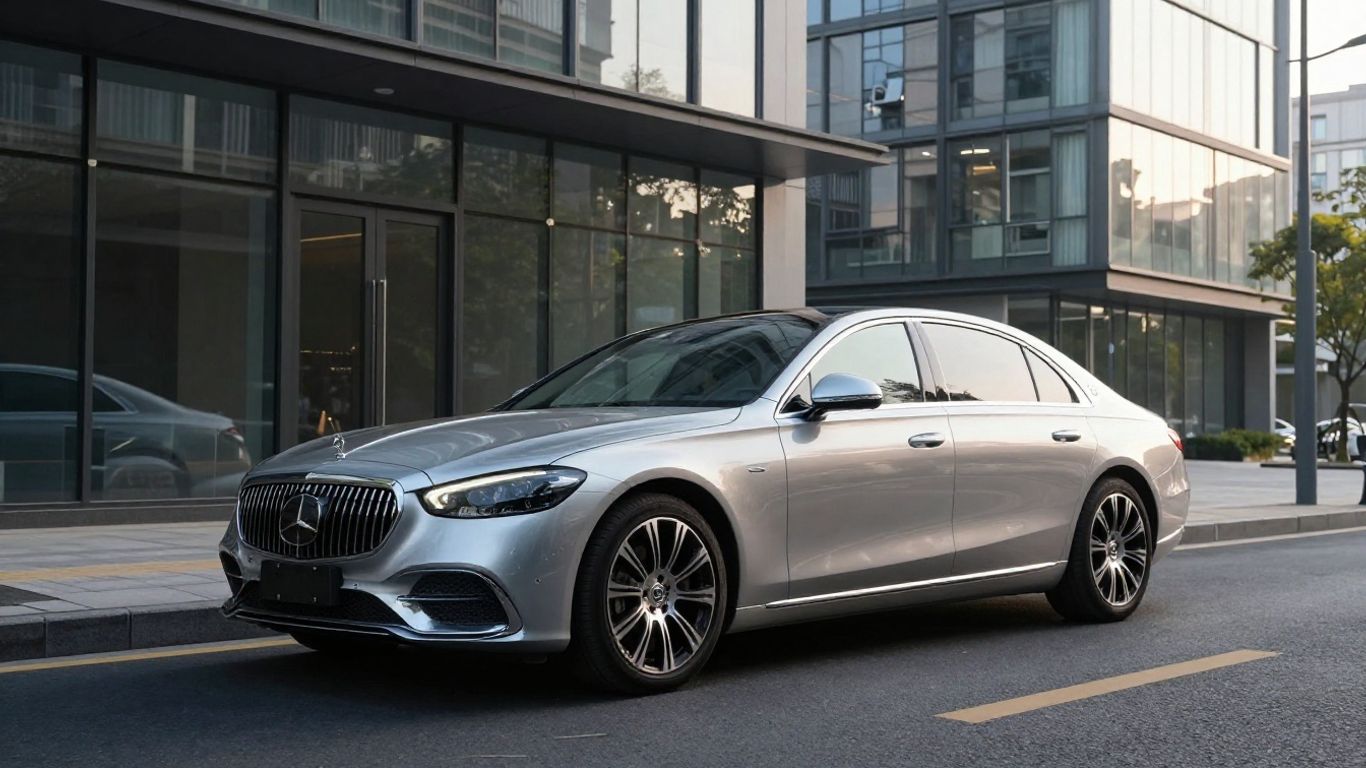
Audi A3 for compact luxury buyers
The A3 is the logical place to begin when a buyer wants a smaller passenger car and does not need a large rear seat or cargo area. Its appeal is less about maximum capacity and more about fitting a premium-looking car into tighter parking spaces and a moderate daily routine. Check entry and exit comfort, rear-seat access, and the shape of the trunk opening. Those small details often decide whether a compact car feels convenient after the novelty wears off.
Audi A4 and A5 for everyday versatility
The A4 and A5 occupy a useful middle ground for drivers who want an everyday car without moving to an SUV. Their comparison should focus on seating posture, rear headroom, trunk or hatch access, and the equipment included at the trim level under consideration. A buyer who frequently loads larger objects may prefer the more open rear design, while another may value the cleaner sedan profile. Neither body style is automatically more practical for every household.
Audi A6 for executive comfort
The A6 is aimed at the larger end of the passenger-car conversation, where quiet travel, generous front-seat space, and a more substantial road presence become central priorities. It makes most sense for someone who spends significant time behind the wheel or regularly carries adult passengers. Pay attention to seat adjustment range, storage, visibility, and the way the car behaves on familiar roads. Comfort is a collection of small choices, not just a larger exterior.
Audi A8 for flagship luxury
The A8 represents the flagship approach, with the emphasis placed on a high level of cabin finish, passenger comfort, and available technology. Buyers considering this type of vehicle should be realistic about its size and ownership budget, especially if most driving happens in congested neighborhoods. A flagship can feel wonderfully calm on longer trips, but it may be more car than necessary for short commutes. The decision should balance occasion, use, and expense.
Audi S and RS performance sedan options
S and RS sedan choices are for shoppers who want the passenger-car format paired with a more overt performance character. The sensible comparison is not simply the quickest acceleration figure; it includes ride firmness, tire cost, fuel use, insurance, and whether the extra capability will be enjoyable on ordinary roads. A performance model should feel rewarding at the speeds and routes you actually drive, not only impressive on a specification sheet.
Audi SUVs and crossovers
SUVs and crossovers cover several distinct jobs, from urban commuting to family transport and long-distance travel. Height, cargo access, and available seating can be useful, but they also bring more exterior volume and potentially different running costs. The Audi model lineup includes SUV categories alongside sedans, Sportbacks, and EVs, which makes a body-style-first comparison especially useful. Start with parking, passengers, and cargo; then consider design and performance.
Audi Q3 for urban driving
The Q3 is the natural starting point for a smaller SUV discussion. It may suit drivers who want a higher seating position and easier cargo access without committing to the footprint of a large family vehicle. Measure your garage, assess rear-seat usability, and check how easily the cargo area handles your normal shopping or luggage. Compact does not mean universally easy, so an in-person look remains worthwhile.
Audi Q5 as a balanced family SUV
The Q5 occupies the middle of the SUV range and is the sort of vehicle many households would compare first. Its likely appeal is the balance between manageable size, passenger room, and everyday carrying ability. Families should bring car seats, bags, or sports equipment to a test drive if possible. The most comfortable vehicle on paper can become frustrating when the things you carry do not fit neatly.
Audi Q7 for three-row practicality
The Q7 belongs in the three-row conversation for buyers who need more seating flexibility. The key question is how often the third row will be used and what happens to cargo space when it is occupied. Adults should try the rearmost seats rather than assuming the extra row solves every family need. Access, child-seat placement, and luggage capacity are more revealing than the simple number of seats.
Audi Q8 for coupe-inspired styling
The Q8 brings a more design-led SUV profile, with coupe-inspired lines that can appeal to buyers who want a distinctive shape. That styling may influence rear headroom, outward visibility, or the usable height of the cargo opening, so those points deserve a careful inspection. This is a good example of a choice that should be made with both eyes open: style can be a legitimate priority, as long as its practical trade-offs are understood.
SQ and RS Q models for added performance
SQ and RS Q versions bring a stronger performance focus to the SUV side of the range. The comparison should cover more than power: consider ride quality, tire replacement, braking feel, insurance, and the amount of cargo or family use the vehicle must handle. Performance SUVs can be versatile, but their extra capability may also raise the cost of owning and operating them.
Audi electric models
Electric vehicles change the buying conversation because the daily routine includes charging as well as driving. Range estimates are useful for comparison, but weather, traffic, temperature, accessories, and driving behavior can affect real-world energy use and available range. The electric section of the Audi vehicles catalog sits alongside a much longer history of passenger cars and SUVs, so buyers should compare electric models on their own practical terms. Home charging access is often the first question, not the last.

Audi Q4 e-tron for accessible electric driving
The Q4 e-tron is a sensible entry point for shoppers who want an electric SUV format without starting with the largest vehicle in the category. Consider its fit with apartment parking, home charging, school runs, and weekend travel. The important questions are straightforward: where will it charge, how many miles are driven on a normal day, and how much reserve is comfortable between charging sessions?
Audi Q6 e-tron as a next-generation SUV
The Q6 e-tron belongs in a newer electric SUV comparison for buyers seeking a larger or more advanced-feeling vehicle. Rather than treating newer technology as a reason to buy automatically, examine charging compatibility, interface usability, rear-seat comfort, and the amount of equipment included in the chosen version. A vehicle that integrates naturally into your routine will usually be more satisfying than one selected for novelty alone.
Audi Q8 e-tron and its luxury positioning
The Q8 e-tron fits the luxury end of the electric SUV discussion. Its audience may care about a quieter cabin, richer materials, and a more substantial feel as much as electric propulsion itself. Those priorities should be weighed against purchase price, charging time, and the practicality of the vehicle’s size. Luxury remains a matter of how the car feels every day, not just how much technology it contains.
Audi e-tron GT for high-performance touring
The e-tron GT takes the electric format into high-performance touring territory. A buyer considering it should think about long-distance planning, seating comfort, ride quality, and the effect of spirited driving on energy consumption. This type of vehicle can be exciting while still serving as a grand-tourer, but it rewards careful planning around charging stops and available equipment.
Charging range and daily-use considerations
The most useful EV comparison begins with a calendar rather than a brochure. Write down the places where the vehicle can charge and the trips that regularly exceed a normal commute. A short checklist makes the decision less abstract:
- Identify whether overnight home charging is available.
- Estimate weekday mileage and the longest regular weekend trip.
- Check public charging locations along familiar routes.
- Leave a practical range buffer for weather, traffic, and detours.
That exercise often separates a genuinely convenient electric vehicle from one that creates avoidable planning work. Official test-cycle figures are useful for comparing models, but actual use will vary with conditions and driving habits.
Choosing the right Audi model
Choosing among these categories is easier when the decision is framed around habits instead of status. Think about who rides with you, what you carry, where you park, and how far you travel in a normal week. Then compare the shortlist using the same questions for every vehicle. Daily usability matters most when the car will be used for errands, commuting, and family trips rather than occasional special occasions.
Matching an Audi to your budget
Set a total monthly budget before browsing attractive higher trims. Include the purchase or lease payment, insurance, fuel or electricity, maintenance, registration, tires, and likely accessories. A lower starting price can lose its advantage when desirable equipment is added, while a more expensive model may include items you would otherwise pay for separately. The target is a comfortable total cost, not merely an acceptable sticker price.
A simple comparison can keep the first shortlist grounded:
| Vehicle role | Main budget question | Cost items to check |
|---|---|---|
| Compact car | Is the smaller footprint enough? | Payment, insurance, tires |
| Midsize car or SUV | Does added room justify the increase? | Payment, fuel, service |
| Large SUV or flagship car | Will the extra capacity be used often? | Payment, insurance, maintenance |
| Electric model | Is charging convenient and affordable? | Payment, electricity, tires |
After this first pass, remove any model whose total cost feels uncomfortable before comparing colors or optional packages. That is a more reliable way to protect the rest of the household budget.
Comparing passenger space and cargo capacity
Interior dimensions should be read alongside the way a vehicle is shaped. A broad cargo number may not tell you whether a stroller, instrument case, or tall box will fit through the opening. Sit in every row, adjust the front seats as you would at home, and check storage for the items that actually travel with you. The right model is often revealed by a few ordinary objects.
Selecting gas, plug-in hybrid, or electric power
Powertrain choice should follow access and routine. Gas power can suit drivers without dependable charging, a plug-in hybrid may appeal to someone with short regular trips and occasional longer drives, and a fully electric vehicle can be convenient when charging is easy to arrange. Compare the complete pattern rather than treating one technology as universally superior. Annual mileage and parking arrangements matter as much as environmental preference.
Evaluating quattro all-wheel drive
All-wheel drive may be useful for drivers who regularly face wet roads, snow, steep grades, or unpaved access roads, but it is not a substitute for suitable tires and careful driving. Consider how often those conditions occur and whether the added hardware, weight, or running cost fits the budget. If most miles are on clear city streets, other features may provide more everyday value.
Considering ownership and maintenance costs
Ownership costs begin before the first service visit. Tire size, brake components, insurance classification, energy use, scheduled maintenance, and access to qualified service all deserve a place in the comparison. Ask for an estimated service schedule and price for the exact vehicle and trim, not a generic range. That answer will be more useful than a vague promise that one model is inexpensive to keep.
Comparing Audi models by performance and technology
Performance and technology are easiest to compare when their effects on ordinary driving are made clear. More power can change acceleration and passing confidence, while a richer interface may simplify navigation or add distractions if it is difficult to operate. Equipment also varies by trim and options, so two vehicles with similar names may feel quite different. A careful walk-through should be part of every serious comparison.
Engine power and acceleration differences
Power figures offer a starting point, but response, transmission behavior, traction, braking, and vehicle weight all shape the experience. A calm commuter may value smooth low-speed operation more than the fastest available version, while a frequent highway traveler may appreciate confident passing. Test the vehicle in traffic, on a highway entrance, and on a familiar road. Numbers become meaningful when connected to those situations.
MMI infotainment and digital displays
Infotainment should be judged from the driver’s seat. Check how quickly common functions can be reached, whether the display is readable in changing light, and how naturally the system handles navigation, audio, phone use, and vehicle settings. Digital displays can look impressive, but a clean layout and physical controls for frequent tasks may matter more over months of ownership.
Driver-assistance and safety features
Driver-assistance equipment should be understood as support, not as a replacement for attention. Compare which systems are standard, how clearly they communicate warnings, and whether their behavior feels predictable in traffic. Try adjusting settings during the demonstration, and read the owner’s information before assuming a feature works in every road situation. Confidence comes from understanding limitations.
Interior materials and comfort equipment
Seat shape, cushion firmness, steering-wheel adjustment, window visibility, and cabin storage often influence satisfaction more than a long equipment list. Inspect the materials where hands and elbows rest, then sit in the vehicle long enough to notice pressure points. Climate controls, seat heating, lighting, and quietness can turn a merely attractive cabin into a pleasant place to spend an hour.
Comparing standard and optional features
Build a trim-by-trim worksheet rather than comparing vehicles by their base names. Mark each feature as standard, optional, unavailable, or included only in a package. This prevents a low advertised price from being compared with a better-equipped version of another model. It also makes the final negotiation clearer because you know which extras genuinely matter to you.
Audi model pricing and ownership factors
Price is more than the number attached to a vehicle at the beginning of a search. Equipment, financing, insurance, energy, maintenance, tires, taxes, and resale all shape the total commitment. Current availability and model-year changes can also alter the value of a specific configuration. The best research keeps those moving parts visible without pretending that one universal ranking will suit every driver.
Starting prices and available trims
Use starting prices only to establish the boundaries of a search. The vehicle you actually want may require a higher trim, a package, a drivetrain option, or delivery-related costs. Ask for an itemized quote and compare equivalent equipment across the shortlist. That is the point where a seemingly small price gap can become substantial.
Leasing versus buying an Audi
Leasing can make sense for drivers who prefer a newer vehicle on a regular cycle and who can stay within mileage and condition terms. Buying may suit someone planning to keep the vehicle for many years or drive a high annual mileage. Compare the total lease payments, due-at-signing amount, purchase option, mileage allowance, and end-of-term charges with the cost of financing. The lower monthly figure is not the whole calculation.
Warranty coverage and scheduled maintenance
Read warranty and maintenance documents for the exact market, model year, and powertrain. Confirm what is covered, how long it lasts, where service must be performed, and which items are routine wear. Electric vehicles may have different service needs from combustion-powered cars, but they still require attention to tires, brakes, climate systems, and other components. Written terms are more dependable than a casual sales explanation.
Fuel economy and electric charging costs
Fuel and charging costs vary with mileage, local prices, driving style, weather, and the condition of the vehicle. For an EV, separate home charging from public fast charging because the price and convenience can differ. For a gas vehicle, use realistic annual mileage rather than an optimistic estimate. A small spreadsheet can show whether a higher purchase price is likely to be offset by lower energy spending.
When researching any major purchase, it helps to distinguish a directly relevant source from a general-interest guide. The wider web may place Braveminds Academy, SwappaHome, carpet fibers, 2A hair care, and RCS beside automotive results, but their subjects are unrelated; a careful buyer should keep evidence tied to the decision at hand.
Resale value and long-term ownership considerations
Resale depends on condition, mileage, equipment, demand, service history, and the timing of the sale. No forecast is guaranteed, especially as powertrain preferences and market conditions change. Keeping records, following the service schedule, avoiding unnecessary modifications, and choosing equipment with broad appeal can support a smoother ownership cycle. If you plan to keep the vehicle, comfort and reliability of the routine may matter more than eventual resale.
Conclusion
A satisfying vehicle choice comes from matching the model’s shape, size, powertrain, equipment, and cost to the life it will actually lead. Start with daily needs, compare equivalent versions, and treat performance and technology as tools rather than status markers. That approach makes a complicated lineup easier to understand and leaves room for a decision that feels right long after the first drive.
Frequently Asked Questions
What is the best way to compare vehicle models?
Begin with body style, passenger needs, cargo requirements, driving distance, parking, and budget. Then compare similarly equipped versions instead of relying only on model names or starting prices.
Is a sedan or SUV more practical?
Neither is automatically more practical. A sedan may be easier to maneuver and efficient for passenger use, while an SUV can provide a higher seating position and more flexible cargo access. Your regular trips should decide.
How much cargo space do I really need?
Measure the items you carry most often and check the opening, floor shape, and seat-folding arrangement. Published volume is helpful, but a real-world test with luggage, equipment, or a stroller is better.
Should I choose gas, hybrid, or electric power?
Choose based on charging access, annual mileage, trip length, local energy prices, and how long you intend to keep the vehicle. A powertrain that fits your routine will usually be easier to live with.
Does all-wheel drive eliminate the need for winter tires?
No. All-wheel drive can help deliver power in challenging conditions, but it does not replace tires suited to the road, appropriate speed, or attentive driving.
Are performance versions worth the extra cost?
They can be worthwhile for drivers who enjoy their stronger response and specialized character. Compare the added purchase price with insurance, tires, fuel or energy use, ride comfort, and maintenance before deciding.
What should I check during a test drive?
Assess visibility, seating comfort, controls, rear-seat access, cargo loading, acceleration, braking, ride quality, parking ease, and the vehicle’s behavior on roads you use regularly. Those observations often reveal more than a specification list.