

Key Takeaways
Reliable Q3 second hand parts are usually found through careful matching, inspection, and cost checking rather than the lowest listed price.
- Match the part to the Q3’s year, generation, engine, drivetrain, trim, and VIN.
- Compare dismantlers, salvage yards, and online sellers by evidence, credentials, and returns.
- Inspect physical condition, markings, electronics, and mechanical wear before paying.
- Add shipping, taxes, labor, core charges, and possible return costs to the price.
- Use professional installation and calibration when a part affects safety or vehicle systems.
Identify the right Q3 part for your vehicle
A used part can look correct and still be wrong for your Audi Q3. Model changes, option packages, drivetrain layouts, and software revisions can all affect fitment. Start with the vehicle details before browsing prices, because an inexpensive incompatible part is not a bargain. Keep the old component available for comparison until the replacement is confirmed.
Match the Audi Q3 model year and generation
Begin with the model year and generation, then check whether the vehicle is an early or later version within that range. Facelift changes may alter lights, bumpers, grilles, interior trim, and electronic modules even when the body shape appears similar. A listing that says only “Audi Q3” does not provide enough information for a confident purchase.
Compare the seller’s donor-vehicle details with your registration or service records. Catalogs such as used Audi Q3 parts listings can be useful because they may show the donor year, engine, transmission, trim, and actual stock photos rather than generic diagrams.
Check the engine, drivetrain, and trim
Engine size and fuel type are only the beginning. Confirm whether the Q3 is front-wheel drive or quattro, and check transmission type, braking equipment, suspension configuration, and trim-specific features. A switch, control unit, or exhaust component may differ between otherwise similar vehicles.
Ask for the donor vehicle’s mileage and build details when the listing does not show them. For body parts, also compare paint code, parking sensors, camera openings, headlamp type, and left- or right-hand-drive configuration.
Use the VIN to confirm compatibility
The VIN gives a parts specialist a much stronger basis for checking compatibility than a general model description. Provide the full VIN and, where possible, the old part number or a clear photograph of its label. Ask the seller to confirm the match in writing before ordering.
VIN confirmation is especially valuable for modules, sensors, airbag-related parts, and components that require coding. It does not replace checking the physical connector, mounting points, and software requirements, but it can prevent many avoidable mistakes.
Understand OEM, aftermarket, and recycled parts
OEM usually means a part made to the vehicle manufacturer’s original specification, while aftermarket describes a third-party replacement. A recycled part is removed from another vehicle and may be OEM, but its condition and history vary. Read the terminology carefully; “compatible” does not always mean identical in construction or calibration.
Price should be considered alongside provenance, testing, warranty, and return terms. A recycled original part can make sense for a body panel or trim piece, while a new replacement may be more sensible when failure would create substantial labor or safety concerns.
Find reputable sources for Q3 second hand parts
The seller matters almost as much as the component. A clear listing, reachable support team, and practical return policy give you somewhere to turn if the part does not fit. Compare several sources rather than assuming the first search result offers the best value.
Compare salvage yards, dismantlers, and online marketplaces
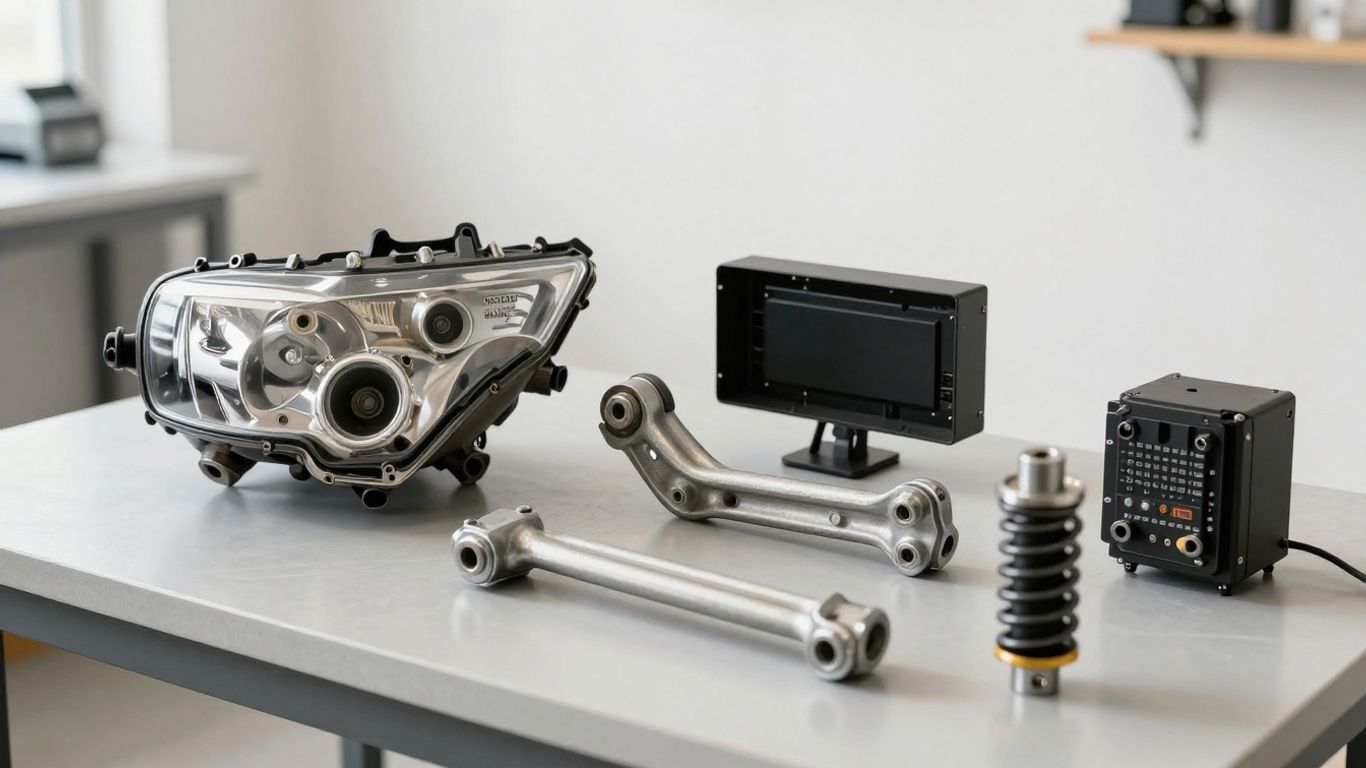
Salvage yards and dismantlers often know the donor vehicle and can answer questions about mileage, damage, and removal. Online marketplaces may offer more choice, but listings can vary widely in accuracy and after-sale support. A specialist directory such as Breakeryard describes refurbished original Audi Q3 parts that are checked, guaranteed, and available through quotes from breakers.
Use marketplaces for comparison, not as a substitute for verification. Check whether the seller owns the part, whether the photograph shows the exact item, and whether the price includes the necessary brackets, sensors, covers, or wiring.
Evaluate seller ratings and business credentials
Ratings are useful only when read in context. Look for repeated comments about accurate descriptions, careful packing, prompt communication, and returns—not just the overall star score. A business address, phone number, written terms, and recognizable payment process are reassuring signs.
It can also help to separate a seller’s claims from independent evidence. A vehicle health check guide offers a useful reminder that visual evidence, photos, and condition ratings are more informative than a vague statement that something is “good.” Apply that same standard to used-parts listings.
Review product photos and detailed descriptions
Photos should show the actual part from several angles, including labels, connectors, mounting points, and any visible wear. Compare them with your removed component. For painted parts, request close-ups of scratches, dents, corrosion, and the paint code rather than relying on a single distant image.
Descriptions should state the donor year, mileage where known, part number, tested status, included accessories, and warranty. If a seller cannot clarify a basic detail, pause before sending payment.
Watch for misleading or incomplete listings
Be cautious with stock images, broad compatibility claims, and titles that combine several model years without explaining the differences. “Untested” may mean the seller has no evidence that the part works, while “as removed” says little about its condition. Also check whether the photograph shows one item but the description refers to another.
A low price can reflect missing hardware, cosmetic damage, uncertain history, or no return option. The best listing is not necessarily the cheapest one; it is the one that leaves the fewest important questions unanswered.
Inspect a used Audi Q3 part before buying
Inspection standards should match the part’s job. A door mirror and a transmission do not deserve the same level of scrutiny, but both require more than a quick glance. Ask for additional photos or test information before purchase, especially when the item is expensive to ship or install.
Check for damage, corrosion, and excessive wear
Look for cracks, bent mounting tabs, distorted housings, fluid contamination, rust, water entry, and signs of overheating. On suspension and drivetrain parts, inspect bushings, seals, splines, threads, and mating surfaces. Cosmetic wear may be acceptable on trim, but structural damage is a different matter.
Ask how the part was removed and stored. Outdoor exposure, flood damage, and careless dismantling can create problems that are not obvious in a front-facing photograph.
Verify part numbers and manufacturer markings
Photograph the number on your original part and compare it with the seller’s label. Some components have superseded numbers, so a difference is not automatically disqualifying; it should, however, be explained by a parts specialist. Check connector shape, bracket layout, and revision markings as well.
Do not rely on a listing title alone. The exact number may distinguish left from right, engine variants, sensor types, or regional equipment.
Assess mechanical and electronic components
Mechanical parts should be assessed for movement, play, leaks, noise, and wear. Electronic components require a different set of questions: was the unit tested, does it need coding, and is the donor vehicle’s configuration known? “Removed from a running vehicle” is helpful context, but it is not the same as a documented bench test.
For a practical inspection record, note the part number, visible condition, test result, donor mileage, and included hardware. This makes it easier to challenge an inaccurate description or compare two offers.
Know when a professional inspection is worthwhile
Professional advice is worthwhile when the component is safety-critical, difficult to access, or expensive to replace. A technician can identify subtle wear and may know whether a used module will require programming or calibration. The inspection fee is often small compared with paying for removal and installation twice.
For complex purchases, ask the workshop to review the part number and listing before you buy. Their answer may also reveal whether a new seal, bolt, fluid, or calibration procedure belongs in the budget.
Calculate the true cost of a used part
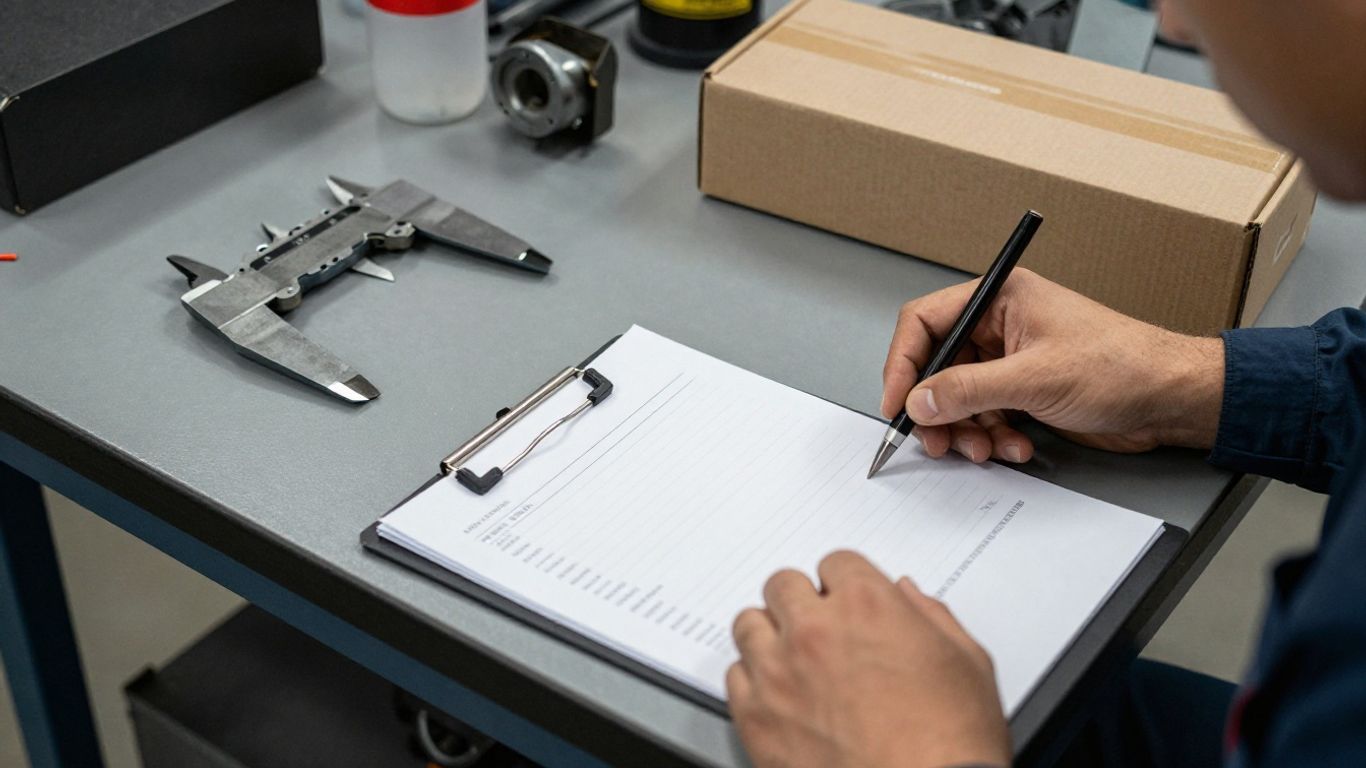
The advertised price is only one line in the purchase. Shipping, tax, labor, programming, consumables, and return risk can change the decision quickly. Write down the full estimate for both used and new options before choosing.
Compare the part price with a new replacement
Get a price for a new OEM or reputable aftermarket replacement, not just the seller’s suggested comparison. A used component may be excellent value when the saving is meaningful and the risk is limited. If the discount is small, a new part with predictable condition may be the calmer choice.
For a broader comparison, Audi Q3 parts options include performance-oriented parts and accessories, although a performance listing should not be treated as a direct substitute for a recycled OEM component. Match the comparison to the repair you actually need.
Include shipping, taxes, and installation fees
Heavy items can carry surprisingly high freight charges, while fragile lights and body panels need careful packaging. Add sales tax, delivery insurance, shop supplies, labor, fluid replacement, and any required software coding. If a specialist must remove another component to reach the part, include that time too.
A simple cost worksheet helps prevent wishful arithmetic. Separate unavoidable costs from possible costs, then ask what happens if the part arrives damaged or fails shortly after installation.
Account for core charges and return costs
Some replacements involve a core charge that is refunded only when the old component is returned in an accepted condition. Clarify the deadline, shipping responsibility, and exclusions before ordering. Return freight may also be deducted from a refund, particularly for large or heavy components.
The purchase is easier to judge when you calculate the worst reasonable outcome, not only the successful one. That figure may make a slightly more expensive, better-supported listing the sensible option.
Weigh warranties against lower upfront prices
A warranty has value only when you understand its duration, exclusions, claim process, and coverage for labor. Lifetime Audi Parts describes a six-month standard warranty on used OEM parts, with extended options; its terms also state that labor is not covered and that improper installation, misuse, and racing are excluded.
Those details illustrate why warranty length alone is not enough. A lower-priced part with weak documentation may cost more after diagnosis, removal, return shipping, and repeat installation.
Choose the right parts to buy used
Used parts are not equally risky. Condition is easier to judge for some items, while others contain wear surfaces, safety systems, or electronics that may have invisible faults. Think about failure consequences as well as purchase price.
Suspension and steering components
Suspension and steering parts deserve careful scrutiny because wear can affect handling and tire life. Used control arms, knuckles, springs, and steering components may be viable when straight, corrosion-free, correctly identified, and professionally checked. Rubber bushings, bearings, and joints can still be near the end of their service life even when the metal looks sound.
Ask whether the part came from a collision-damaged vehicle and which side it came from. Replace associated fasteners or wear items when the manufacturer or technician calls for it.
Body panels, lights, and interior parts
Body panels, mirrors, trim, seats, switches, and interior fittings are often easier to buy used because their condition can be seen and compared. Confirm color code, texture, sensor openings, heating elements, connectors, and included brackets. A small difference in trim or equipment can matter more than the listing suggests.
Lights need extra care because moisture, broken tabs, cloudy lenses, or adaptive-lighting differences may not show in a casual photo. Ask for the lens and rear housing to be photographed clearly.
Engines, transmissions, and drivetrain components
Major drivetrain parts can save substantial money, but their history is crucial. Request donor mileage, compression or pressure-test information where appropriate, fluid condition, fault-code information, and details of what is included. Confirm whether the engine is complete and whether the transmission requires matching software or ancillary parts.
A professional should verify compatibility before purchase. Freight, fitting, fluids, seals, and the possibility of a second removal can erase an apparent saving quickly.
Electronic modules and sensors
Modules and sensors may look perfect while carrying the wrong software revision or an internal fault. Confirm the exact part number, donor configuration, testing method, and whether coding, adaptation, or calibration will be needed. Water damage is a particular concern for electronics removed from damaged vehicles.
Ask whether the seller accepts a return if the unit cannot be coded to your Q3. Keep the original module until the replacement has been installed and proven compatible.
Parts that are usually safer to buy new
New parts are often the better choice for items where age, contamination, or hidden wear creates disproportionate risk. The decision depends on the component, but these are common examples:
- Brake pads, discs, and other friction materials.
- Seals, gaskets, O-rings, and one-time-use fasteners.
- Wipers, bulbs, and small consumable service items.
- Airbags and other safety-critical restraint components.
The point is not that every used example is unusable. Rather, the likely saving should justify the uncertainty, and safety-related parts should be sourced and installed with particular care.
Complete the purchase and installation safely
Once you have selected a part, slow down for the final checks. Save the listing, photos, messages, part number, and agreed price before payment. Good documentation makes a return or warranty claim much easier.
Confirm the return policy and warranty coverage
Read the written terms rather than relying on a promise in a chat. Check the return window, restocking deductions, damaged-delivery procedure, warranty exclusions, and whether labor is covered. Confirm who pays return shipping and whether the part must remain unmodified.
A trust in transactions guide is a useful general reminder that dependable dealings are built through consistent actions, clear communication, and respect for agreed terms. Those qualities matter when buying a used vehicle component too.
Ask about testing and vehicle mileage
Before paying, ask for the donor vehicle’s mileage, reason for dismantling, storage conditions, and test method. For a module, ask whether it was powered and scanned; for a mechanical unit, ask what movement, pressure, leak, or operational checks were performed. Record the answer.
If the seller cannot provide a test result, treat the item as higher risk rather than assuming it passed. Written answers are more useful than vague assurances after the part arrives.
Prepare for professional installation and calibration
Use a qualified technician when installation involves steering, brakes, airbags, drivetrain alignment, immobilizer systems, or electronic coding. Some repairs also require calibration, bleeding, adaptation, or a post-installation scan. Ask for an itemized labor estimate before ordering.
After installation, keep the invoice and diagnostic report. Test the vehicle in a controlled way, check for warning lights and leaks, and return promptly if the component does not perform as agreed.
Dispose of the replaced part responsibly
Do not leave oily, electronic, or damaged components in ordinary household trash. Ask the workshop, dismantler, parts supplier, or local recycling facility whether it accepts the old item. Fluids, batteries, airbags, and electronic modules may need separate handling.
If a core return is required, package the old component as instructed and keep the tracking information. Responsible disposal can also protect the value of a refundable core and keep hazardous material out of general waste.
Conclusion
Buying Q3 second hand parts without overpaying comes down to disciplined comparison: identify the exact vehicle, verify the part, inspect its condition, calculate every cost, and plan installation before ordering. A credible seller and useful warranty can be worth more than a dramatic discount, while professional advice is sensible whenever a failure could affect safety or create major repeat labor.
Frequently Asked Questions
Are Q3 second hand parts reliable?
They can be reliable when the part is correctly matched, its condition and history are documented, and the seller offers clear testing and return terms. Reliability varies by component and donor vehicle, so the listing should be assessed rather than judged by price alone.
How do I know whether a used Q3 part will fit?
Match the model year, generation, engine, drivetrain, trim, connector layout, and part number. Provide the full VIN to a parts specialist and compare the replacement with the original component before ordering.
Is an OEM used part better than an aftermarket part?
Not automatically. A used OEM part may match the original design, but its wear and history are unknown. An aftermarket part may be new and well supported, so compare construction, fitment evidence, warranty, and total cost.
What should I ask a seller before buying?
Ask for the donor year and mileage, part number, test results, damage or storage history, included hardware, warranty terms, and return procedure. For electronics, also ask about coding and compatibility with your vehicle configuration.
Which Q3 parts are commonly suitable to buy used?
Visible body panels, interior trim, some mirrors, and certain lights can be practical used purchases when their condition is clear. Mechanical, electronic, and safety-related parts require more careful testing and professional advice.
Should I have a used part inspected professionally?
A professional inspection is worthwhile for expensive, safety-critical, difficult-to-install, or electronically coded components. The technician can assess condition and identify installation, programming, or calibration costs before you commit.
How can I avoid paying too much for a used part?
Compare the used price with a new replacement and add freight, tax, labor, coding, consumables, core charges, and possible return costs. The best value is the option with the lowest realistic total cost, not necessarily the lowest listing price.