

Key Takeaways
A recycled Audi Q5 part can be a sensible replacement when its identity, condition, and fit are properly checked.
- Confirm the Q5’s model year, generation, engine, transmission, and drivetrain before buying.
- Use the part number, vehicle identification number, and clear photos to verify compatibility.
- Ask how a component was tested, what wear it has, and whether a warranty applies.
- Compare the complete cost of a recycled part with a new aftermarket alternative.
- Have safety-critical, electronic, and complex mechanical components installed by a qualified mechanic.
Understanding Q5 recycled parts in Perth
Q5 recycled parts Perth buyers find through wreckers and auto recyclers can range from body panels to engines and electronic modules. These components are removed from vehicles that are no longer economical or practical to repair, then identified and sold for reuse. Availability changes as vehicles arrive, so a part that is missing today may appear in stock later. The best purchase is not simply the cheapest one; it is the part that matches the vehicle and comes with sensible information about its condition.
What recycled Audi Q5 parts include
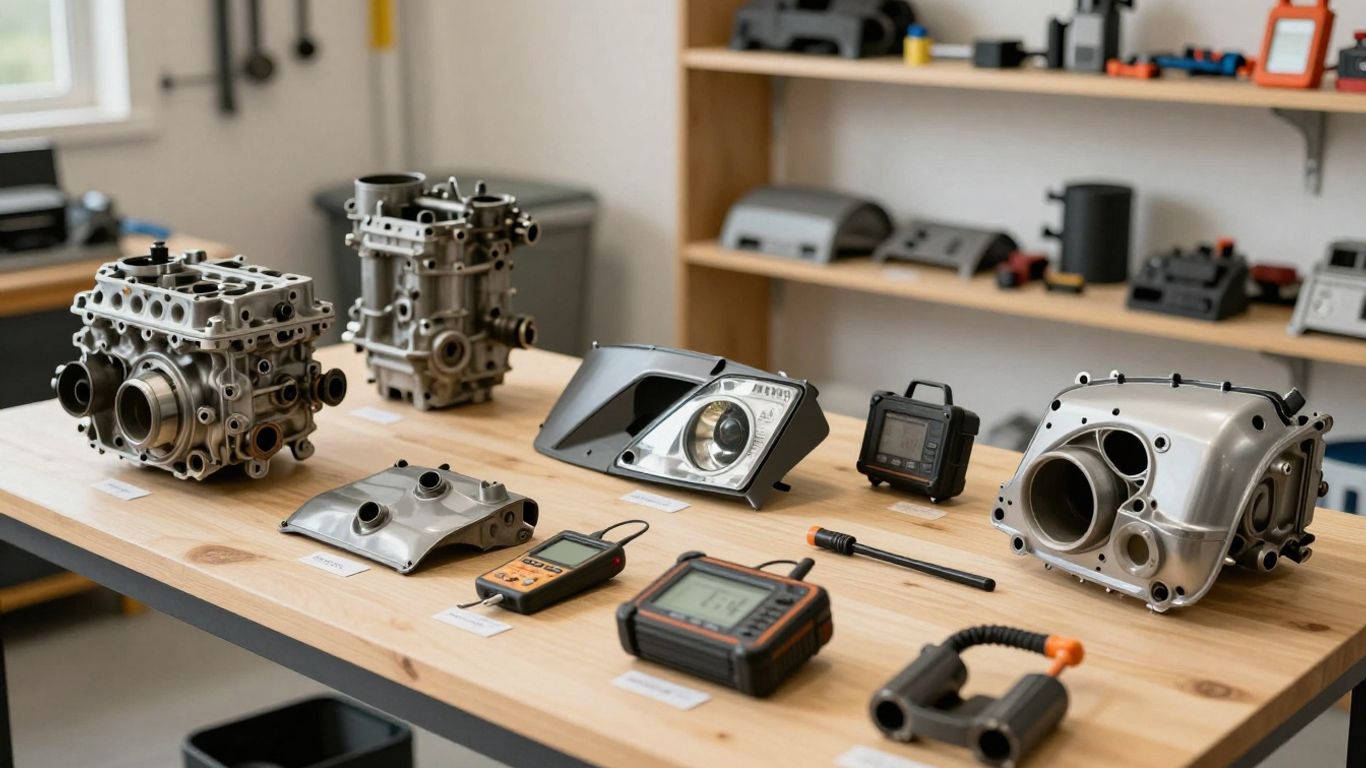
Recycled parts may include doors, bumpers, lights, mirrors, interior trim, suspension pieces, engines, transmissions, and smaller brackets or sensors. Some are complete assemblies, while others are individual components removed from a larger unit. Ask exactly what is included, because a pictured assembly may not come with every attached cable, control unit, cover, or mounting bracket.
Why owners choose used and recycled components
The main appeal is practical: a used original component may offer a closer fit than an inexpensive generic replacement, while also costing less than a new dealer-supplied part. Reuse can also keep serviceable material in circulation rather than sending it straight to waste. For older Q5s, recycled parts may be especially useful when a particular trim piece or matching body panel is no longer easy to source.
Common Q5 parts available from wreckers
Stock depends on the vehicles currently being dismantled, but wreckers commonly handle exterior panels, headlights, tailgates, wheels, interior fittings, suspension parts, and drivetrain assemblies. A listing for used Q5 parts in Perth can help establish the sort of inventory that appears locally, although every item still needs to be checked against the buyer’s vehicle.
How recycled parts compare with new aftermarket options
A recycled original part and a new aftermarket part each have trade-offs. The recycled component may match the factory design and finish, but it has a previous service history. A new aftermarket item has no prior use, though fit, finish, materials, and included hardware can vary between suppliers. Compare condition, shipping, warranty, installation, and return costs rather than comparing the sticker price alone.
Finding the right Audi Q5 part
Correct identification prevents most expensive mistakes. Audi Q5 versions can look similar while using different electronics, mounting points, driveline components, or trim details. Before contacting a seller, gather the vehicle identification number, build date, engine information, transmission type, and photographs of the old part. This makes the conversation more precise and gives the seller something useful to verify.
Using the model year and generation
Start with the model year, but do not stop there. The Q5 has been sold across different generations and updates, and a facelift can alter lighting, bumpers, interior fittings, and electronic equipment. Listings that group several years together may be convenient, but they should be treated as a starting point rather than proof of compatibility.
Matching engine, transmission, and drivetrain specifications
Mechanical parts need closer scrutiny than a broad “Q5” description. Confirm whether the vehicle uses a petrol or diesel engine, the relevant engine code if available, the transmission type, and the drivetrain configuration. A similar-looking gearbox, driveshaft, differential, or cooling component may have different ratios, connectors, or mounting arrangements.
A simple comparison table can narrow the search before a seller checks the stock item:
| Vehicle detail | Why it matters | What to provide |
|---|---|---|
| Model year and generation | Helps identify body and system changes | Year and generation code |
| Engine specification | Determines fit for many mechanical parts | Fuel type and engine code |
| Transmission | Affects gearbox and control compatibility | Automatic type or code |
| Drivetrain | Changes axle and differential requirements | AWD or other configuration |
Use the table as a conversation guide, not as a substitute for a part-number check. If any detail is uncertain, pause the purchase and ask for confirmation in writing.
Checking part numbers and compatibility
The number stamped or printed on the old component is often more useful than a marketplace title. Send photographs of the label, connectors, mounting points, and any revision suffix. A seller may also need the VIN to check whether a superseded number or later revision is suitable. Do not assume that a part with the same broad description will communicate correctly with the vehicle.
Identifying left-hand and right-hand components
Body, lighting, suspension, and interior parts may be side-specific. “Left” and “right” can also be described from the driver’s position or while facing the vehicle, so clarify the seller’s convention. Request a photo from the installed position and compare connector locations, brackets, mirror controls, and mounting holes before paying.
Where to buy Q5 recycled parts in Perth
Perth buyers can search local yards, phone dismantlers, browse online catalogs, or arrange interstate delivery. Each method has a different balance of speed, selection, inspection, and freight risk. Local stock is useful when a panel or wheel needs to be compared in person, while a catalog can make rare mechanical parts easier to locate. Keep a written record of the listing, seller, quoted condition, and agreed price.
Local Audi wreckers and auto recyclers
Local recyclers may be able to search their yard or wider supplier network by VIN and part number. A Perth-based operation such as Perth European parts can be relevant when the vehicle requires a European component and the buyer wants to discuss fitment directly. Ask whether the quoted item is physically in stock, not merely searchable in a general database.
Online parts catalogs and marketplace listings
Online listings are useful for comparing availability and initial prices, but photographs and descriptions vary. A catalog covering Audi Q5 generations may help you understand how listings are grouped by model range. Read the full description, ask for current photos, and confirm whether the price includes brackets, modules, keys, or other parts shown in the image.
Perth suburbs and delivery considerations
Distance affects both convenience and cost. A part collected from a nearby suburb may be cheaper and quicker than one shipped across Australia, while a distant supplier may have the exact match. For heavy components, request a freight estimate before committing and ask how the item will be packed against impact, moisture, and movement.
When to choose pickup instead of shipping
Pickup is often preferable for doors, bumpers, glass, wheels, and other bulky or fragile pieces. It lets you inspect paint, cracks, mounting tabs, corrosion, and included hardware before accepting the part. For small electronic or mechanical components, secure shipping may be more practical, provided the seller explains the packaging and return process.
Assessing the quality of recycled Q5 parts
Quality is not a single label. “Used,” “tested,” “inspected,” and “refurbished” can describe different levels of checking, so ask what each term means for the particular component. A clean photograph does not prove mechanical health, and a low price does not automatically indicate poor quality. The goal is to understand the part’s history well enough to make a proportionate decision.
Questions to ask the seller
A short, focused conversation can reveal more than a long listing. Ask for the donor vehicle’s year and specification, the part’s mileage or use where known, visible damage, testing performed, included accessories, and the applicable warranty. It is also useful to confirm the dispatch time and whether the seller will accept a return if the documented fitment is wrong.
For a mechanical or electronic component, ask these questions before paying:
- What vehicle was the part removed from?
- What tests were completed, and when?
- Are all brackets, connectors, keys, or modules included?
- What damage or wear is already known?
- What are the warranty and return conditions?
The answers should be specific to the item rather than copied from a general policy. Vague replies are a reason to slow down and seek another listing.
Understanding tested, inspected, and refurbished parts
Tested usually means the seller performed a stated functional check, while inspected may refer to a visual or basic condition assessment. Refurbished suggests that some work has been done, but the work should be described rather than assumed. Ask for a test report, replacement details, or measurements when the part’s reliability depends on internal condition.
Checking wear on mechanical and electronic components
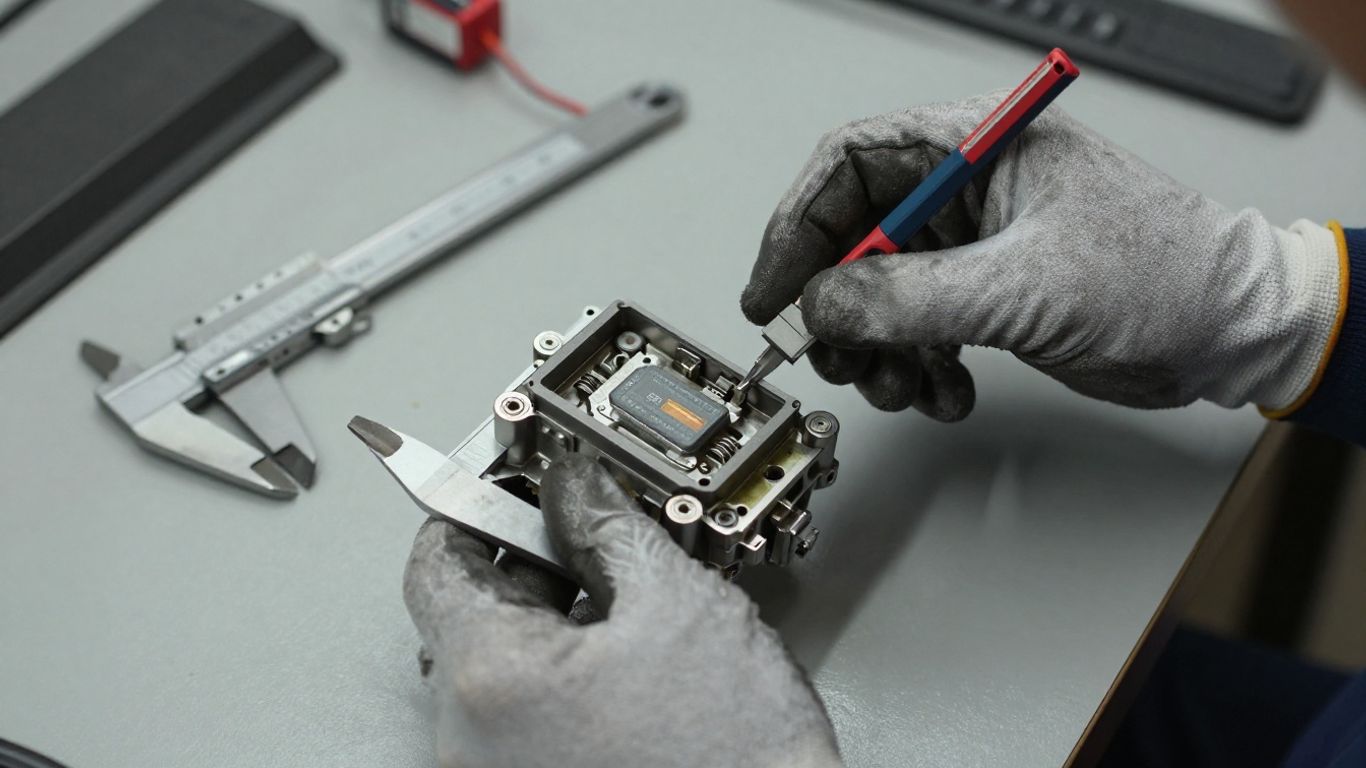
Inspect housings for cracks, leaks, corrosion, stripped threads, and impact marks. For electronic parts, look for water damage, broken connectors, missing coding information, and damaged pins. Mechanical assemblies deserve questions about noise, play, seals, and contamination. Condition matters more than appearance when the component will be difficult or expensive to replace again.
Reviewing warranties and return policies
A warranty should state its duration, coverage, exclusions, and process for making a claim. Check whether labour, diagnostics, freight, and coding are excluded. Return rules may differ for special orders, electrical parts, or items altered after delivery. Save the listing and written messages so the agreed condition is clear if a dispute arises.
Popular recycled Audi Q5 parts to consider
Different part categories carry different levels of risk and inspection needs. Exterior trim may be judged mainly by fit and appearance, while an engine, transmission, or control module can require testing and specialist installation. Think about the cost of failure as well as the purchase price. A bargain body moulding is a different decision from a bargain drivetrain assembly.
Body panels, doors, and exterior trim
Doors, guards, bumpers, grilles, mirrors, tailgates, and trim can be good candidates when the replacement matches the correct generation and side. Inspect mounting tabs, seams, hinges, clips, paint differences, and hidden rust. For a visible panel, budget for transport, preparation, paint matching, and fitting if the finish is not an exact match.
Engines, transmissions, and drivetrain parts
Large mechanical assemblies should be matched by code and specification, not only by model name. Ask about donor mileage, compression or operating tests where relevant, fluid leaks, storage conditions, and what accessories are included. Installation may also require new seals, fluids, filters, programming, or adaptation procedures.
Interior components and electrical systems
Seats, switches, screens, control modules, climate components, steering wheels, and trim pieces can restore a cabin at a reasonable cost. Confirm colour, trim code, connector style, and whether the item needs coding to the vehicle. Airbag-related parts and safety systems require particular care and should not be installed based on appearance alone.
Wheels, suspension, and braking components
Wheels must match diameter, width, offset, bolt pattern, and load requirements. Suspension and braking components should be checked for bending, corrosion, uneven wear, and correct specification. Because these parts affect handling and stopping, have a qualified mechanic assess questionable items before installation.
Buying Q5 recycled parts safely
Safe buying is mostly a matter of verification. Keep the conversation tied to a specific vehicle and a specific component, and be cautious when a seller avoids basic questions. Search results can also mix unrelated automotive pages with other services, so follow only listings that clearly identify the Q5 part and supplier. For example, Q5 parts across Australia may offer broader availability, while a page about used Q5 vehicles in Perth is not a parts listing.
Verifying the seller’s business details
Check the business name, physical location, phone number, invoice details, and payment terms. A professional seller should be willing to identify the item and explain its condition. Avoid sending payment to an account that does not match the business information without first clarifying why.
Some search results may be unrelated to automotive buying altogether, such as a Salou pool party guide, commercial painting advice, Dubai sales terms, discreet cleanup service, or lens selection guide. Their presence beside a parts search is a reminder to check the page title, URL, and actual contents before relying on a result.
Confirming vehicle identification information
Provide the VIN, registration details where appropriate, model year, engine, transmission, and photographs. Do not post more personal information than necessary, but give enough vehicle data for the seller to verify fitment. Written confirmation is especially useful when a part has several revisions or when the listing covers multiple Q5 generations.
Comparing prices with new replacement parts
Compare the total delivered and fitted cost. Include freight, core charges, seals, fluids, coding, paint, labour, and possible return freight. A recycled original component may be the better value, but a new aftermarket part can become more attractive when the used item has uncertain history or limited warranty coverage.
Avoiding incorrect, damaged, or counterfeit components
Be wary of stock photos, pressure to pay immediately, unusually low prices, missing part numbers, and descriptions that promise universal fitment. Ask for current images of the actual component. When packaging arrives, photograph it before opening, inspect for transport damage, and do not discard labels or paperwork until fitment has been confirmed.
Installing and maintaining recycled Q5 parts
Installation is part of the purchase decision, not an afterthought. Some parts are straightforward, while others affect steering, braking, restraint systems, driveline operation, or vehicle software. A correct component can still fail if it is fitted with damaged hardware, incorrect fluids, poor seals, or incomplete programming. Plan the installation around the part’s technical requirements.
Parts best left to a qualified mechanic
Engines, transmissions, airbags, braking systems, suspension assemblies, steering components, high-current electrical equipment, and complex modules deserve professional attention. A mechanic can check surrounding parts, identify related faults, and confirm that the replacement is safe. This is particularly valuable when the original failure may have damaged more than one component.
Preparing components before installation
Compare the replacement with the old part before removing everything from the vehicle. Clean contact surfaces, inspect seals and fasteners, check connectors, and replace single-use hardware where required. Confirm fluid levels and mounting points, and keep packaging until the part has been tested. These small steps can prevent a second removal job.
Calibrating sensors and electronic systems
Some Q5 components may require coding, adaptation, calibration, or fault-code clearing after installation. Ask the mechanic whether diagnostic equipment is needed before buying. A part that physically fits may not operate correctly until the vehicle recognises it, and calibration can be essential for systems linked to braking, steering, restraint, or driver assistance.
A short installation video can help explain general preparation, but it should not replace the vehicle’s service information or a mechanic’s assessment. Procedures vary by model year and component, so use online guidance only as background.
Keeping records for future servicing and resale
Record the supplier, part number, donor information, installation date, mileage, warranty, and any calibration performed. Keep invoices and photographs with the vehicle’s service documents. These records make future diagnosis easier and give a prospective buyer a clearer account of the repair.
Conclusion
Finding a suitable recycled Audi Q5 component in Perth is a process of matching details, checking condition, and planning the installation. Confirm the vehicle specification, obtain the correct part number, ask direct questions, and compare the complete cost with new alternatives. A careful purchase can make a difficult repair more manageable without treating every used component as interchangeable.
Frequently Asked Questions
Are recycled Audi Q5 parts reliable?
They can be reliable when the component is correctly matched, properly inspected, and sold with clear information about its condition. Reliability depends on the part category, donor vehicle, previous use, testing, and installation quality.
How do I identify the correct Q5 part?
Use the VIN, model year, generation, engine and transmission details, drivetrain information, photographs, and the number printed on the original part. Ask the seller to confirm compatibility in writing before payment.
Is a used original part better than a new aftermarket part?
Neither is automatically better. A used original part may provide close fitment, while a new aftermarket component has no previous service history. Compare condition, specifications, warranty, total cost, and expected installation work.
Should I inspect a recycled part before buying it?
When possible, inspect it in person, especially if it is bulky, fragile, painted, or safety-related. For shipped items, request current photographs, confirm the packaging method, and understand the return process before ordering.
Do recycled Q5 electronic parts need coding?
Some electronic components may need coding, adaptation, or calibration after installation. Ask a qualified mechanic or the seller whether diagnostic work is required for the specific part and vehicle.
What information should I give a parts seller?
Provide the VIN, model year, generation, engine and transmission details, drivetrain configuration, part number, and clear photographs. Also explain whether you need a complete assembly or only a subcomponent.
Can a mechanic install every recycled Q5 part?
A qualified mechanic can assess installation requirements, but some parts may also require specialist diagnostic or programming equipment. Safety-critical, structural, restraint, braking, steering, and complex electronic work should not be treated as a casual DIY job.