

Key Takeaways
Recycled Audi parts can make a repair more manageable when the component is correctly identified and its condition is clearly understood.
- Confirm the Audi model, year, trim, and VIN before ordering.
- Ask how the part was sourced, tested, stored, and graded.
- Compare the part price with freight, labour, programming, and installation costs.
- Get warranty, return, and compatibility details in writing.
- Use a qualified technician for safety-critical or electronically coded components.
Understanding recycled Audi parts in Brisbane
Recycled Audi parts are components recovered from vehicles that are dismantled, inspected, and offered for reuse. They may include mechanical assemblies, body panels, lighting, interior fittings, suspension pieces, and electronic modules. For anyone searching for recycled Audi parts Brisbane, the real task is not simply finding a low price; it is matching a suitable component to the car and repair.
What recycled Audi parts include
A dismantler may have doors, bonnets, bumpers, mirrors, seats, wheels, lights, radiators, engines, transmissions, exhaust parts, and smaller trim pieces. Availability changes as vehicles arrive and are dismantled, so a part that is common for one generation may be scarce for another. Colour, trim level, drive configuration, and optional equipment can also affect whether a visually similar component will fit.
The word “recycled” does not mean every part has the same history. Some pieces may be lightly used, while others may show cosmetic wear but remain suitable for their intended function. Ask for the exact condition rather than relying on a broad label such as “good used.”
How Audi wreckers source and test components
Wreckers generally obtain vehicles through accident recovery, insurance disposal, trade-ins, end-of-life vehicles, or owners selling unwanted cars. The vehicle is assessed, hazardous materials are managed, and reusable components are removed before the shell is processed. Testing can range from visual inspection and basic bench checks to more involved mechanical assessment, depending on the component.
A careful supplier should be able to explain what was checked and what remains unknown. An engine, transmission, airbag-related part, or electronic module deserves more specific questions than a simple trim cover. The inspection record may be brief, but it should still give you a practical basis for deciding.
Used, rebuilt, remanufactured, and recycled parts compared
These terms are often used together, although they describe different levels of work. A used or recycled part is usually removed from another vehicle and sold in its existing condition after inspection. A rebuilt component has been repaired with selected parts, while a remanufactured component is generally restored to a defined standard through a more extensive process.
| Description | Typical history | What to confirm |
|---|---|---|
| Recycled or used | Removed from another vehicle | Source, condition, and testing |
| Rebuilt | Disassembled and repaired | Work completed and replacement parts |
| Remanufactured | Restored through a defined process | Standard, documentation, and warranty |
| New aftermarket | Newly manufactured outside the vehicle maker | Brand, specification, and fitment |
The label alone should not settle the purchase. Ask what work was actually performed, whether the part was tested under load, and which warranty applies to that particular item.
When recycled parts are a practical alternative to new ones
Recycled parts can be sensible for older vehicles, cosmetic repairs, discontinued trim, or repairs where a genuine new replacement would be disproportionately expensive. They can also preserve the original design and finish, especially when a matching body panel or interior component is needed. A used part is less attractive when its history is uncertain, the installation is unusually labour-intensive, or failure could create a serious safety risk.
A simple risk-and-cost comparison helps. Consider the part’s age, the cost of fitting it, the ease of returning it, and the consequences if it fails shortly after installation. That broader view is more useful than comparing purchase prices alone.
Finding the right Audi parts supplier
The right supplier should make identification and condition easy to discuss, not pressure you into accepting the first apparent match. Local Brisbane operators may offer pickup, while other dismantlers can arrange freight across Queensland or Australia. Treat online listings as a starting point and verify the details before paying.
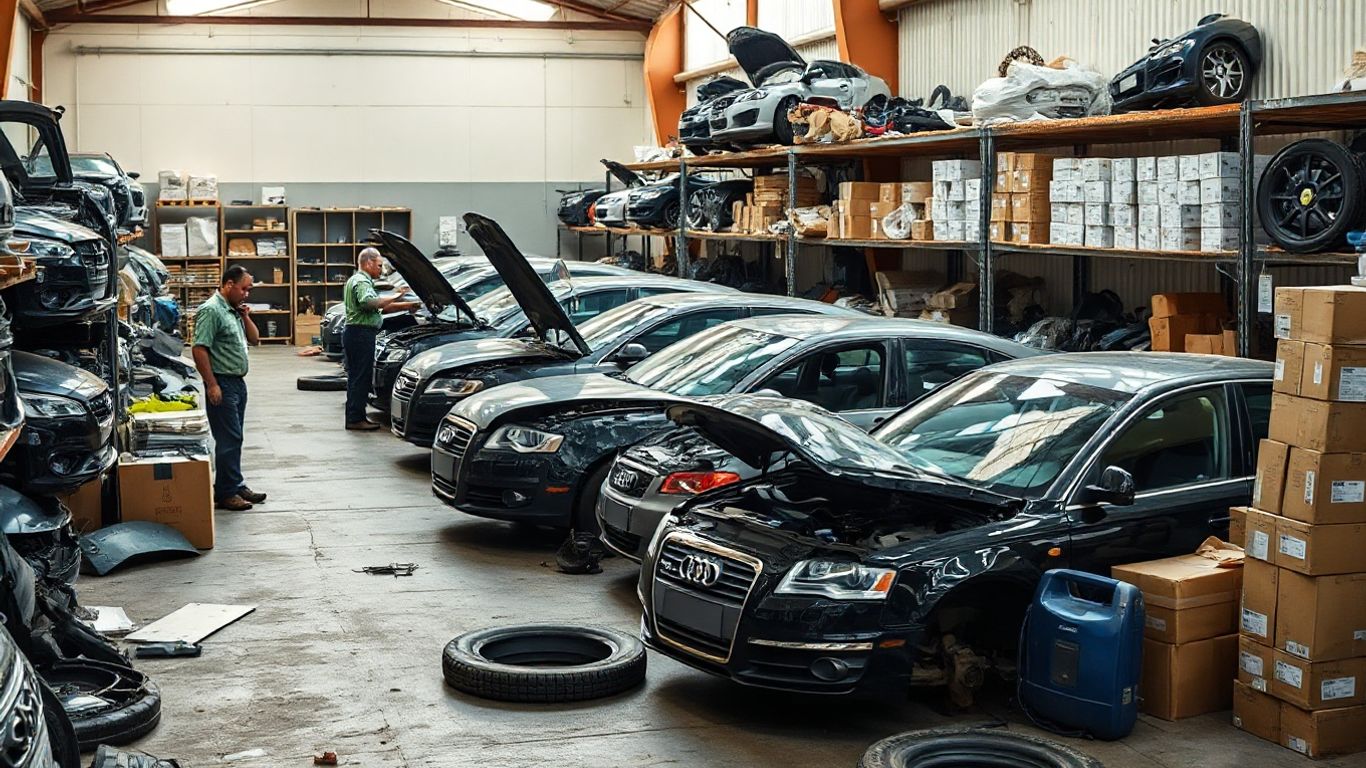
Audi wreckers, recyclers, and specialist dismantlers
A general recycler may have useful Audi stock, while a specialist dismantler may be more familiar with model-specific differences and electronic parts. Look for clear descriptions, responsive answers, and a process for checking compatibility. Q1 Auto Parts is one example of a Brisbane-focused used-parts listing to review when comparing local availability.
The supplier’s location matters less than the quality of the information supplied. A nearby yard is convenient, but a distant source may still be worthwhile if it can provide the correct part number, condition photos, and a workable return arrangement.
Online inventories and local Brisbane yards
Online inventories save time, especially when you already know the Audi part number or VIN. Local yards add the possibility of inspecting colour, finish, connector condition, or physical damage in person. Stock listings can age quickly, so confirm that the item is still available and reserved for you before arranging installation.
Some suppliers outside Brisbane advertise nationwide delivery, but freight for large panels, engines, and transmissions can be substantial. Audi Wrecking is a useful example of an online source to compare when checking whether a part can be sent to your location.
Questions to ask before ordering a part
A short, specific conversation can prevent an expensive mismatch. Ask for the identification number, donor vehicle details, testing performed, visible damage, and whether accessories shown in the photograph are included. You should also clarify whether the price includes taxes, freight, brackets, sensors, keys, or other attached pieces.
Useful questions include:
- What is the exact part number and donor vehicle?
- Has the component been tested, and what did the test cover?
- Are there cracks, leaks, corrosion, missing plugs, or repaired areas?
- What warranty and return conditions apply?
The answers should be consistent with the listing and invoice. If a supplier cannot explain what you are buying, pause before committing—particularly for a high-value or safety-related part.
Checking warranties, returns, and availability
A warranty is only useful when its duration, exclusions, claim process, and installation requirements are clear. Some sellers require professional fitting or proof that related faults were diagnosed before accepting a claim. Confirm whether electrical parts can be returned if they are not coded to the vehicle, and whether special-order items are excluded.
Stock status also deserves attention. “Available” might mean physically on the shelf, located at another yard, or subject to a final inspection. Get the availability and agreed price in writing, then keep the invoice and any messages describing the condition.
Matching your Audi to the right component
Audi vehicles can look alike while using different engines, transmissions, wiring, brakes, and control modules. Small changes within a model range may affect fitment just as much as a different model badge. Careful identification is therefore the foundation of a successful used-part purchase.
Identifying your Audi model, year, and trim
Write down the model, build year, body style, engine size, transmission type, and trim before contacting a supplier. The registration details may not reveal every specification, especially where a model was sold with several engine or drivetrain options. Photos of the original component can help, but they should support—not replace—the vehicle information.
Also note left- or right-hand position for body and interior parts. A mirror, lamp, door, or suspension component may appear interchangeable until its mounting points or wiring are compared.
Using the VIN to confirm compatibility
The VIN gives a supplier and technician a stronger starting point than a model name alone. Provide the complete VIN and ask the seller to verify the part number against it. Even then, compare the connector shape, mounting points, software requirements, and included accessories before installation.
A VIN check reduces mistakes, but it is not a substitute for diagnosis. If the old part is available, retain it until the replacement has been matched and tested.
Understanding engine, transmission, and generation differences
Engines and transmissions can vary within the same model year, and a generation change may alter sensors, mounts, cooling systems, or control units. A transmission with the same general description may still have a different ratio, software version, casing, or connector. For these parts, the identification code and technical advice matter more than appearance.
Ask whether the quoted assembly includes its sensors, brackets, control unit, torque converter, or other attached hardware. Clarifying what is included prevents a low headline price from becoming an incomplete repair.
Comparing genuine, aftermarket, and recycled components
A genuine recycled component may match the vehicle’s original design, while an aftermarket replacement is newly made by another manufacturer. Neither label by itself guarantees the best choice for every repair. Compare fit, material, expected service life, warranty, delivery time, and the technician’s recommendation.
For appearance-sensitive repairs, an original used panel or trim piece may be preferable. For a wear item, a new replacement with suitable specifications may offer a better balance. The correct answer depends on the part and the condition of the rest of the vehicle.
Inspecting recycled Audi parts before purchase
Inspection should be proportionate to the part’s value and risk. A photograph can reveal obvious damage, but it rarely confirms internal wear, exact operation, or electronic compatibility. If you cannot inspect the item yourself, request several clear images and a written condition report.
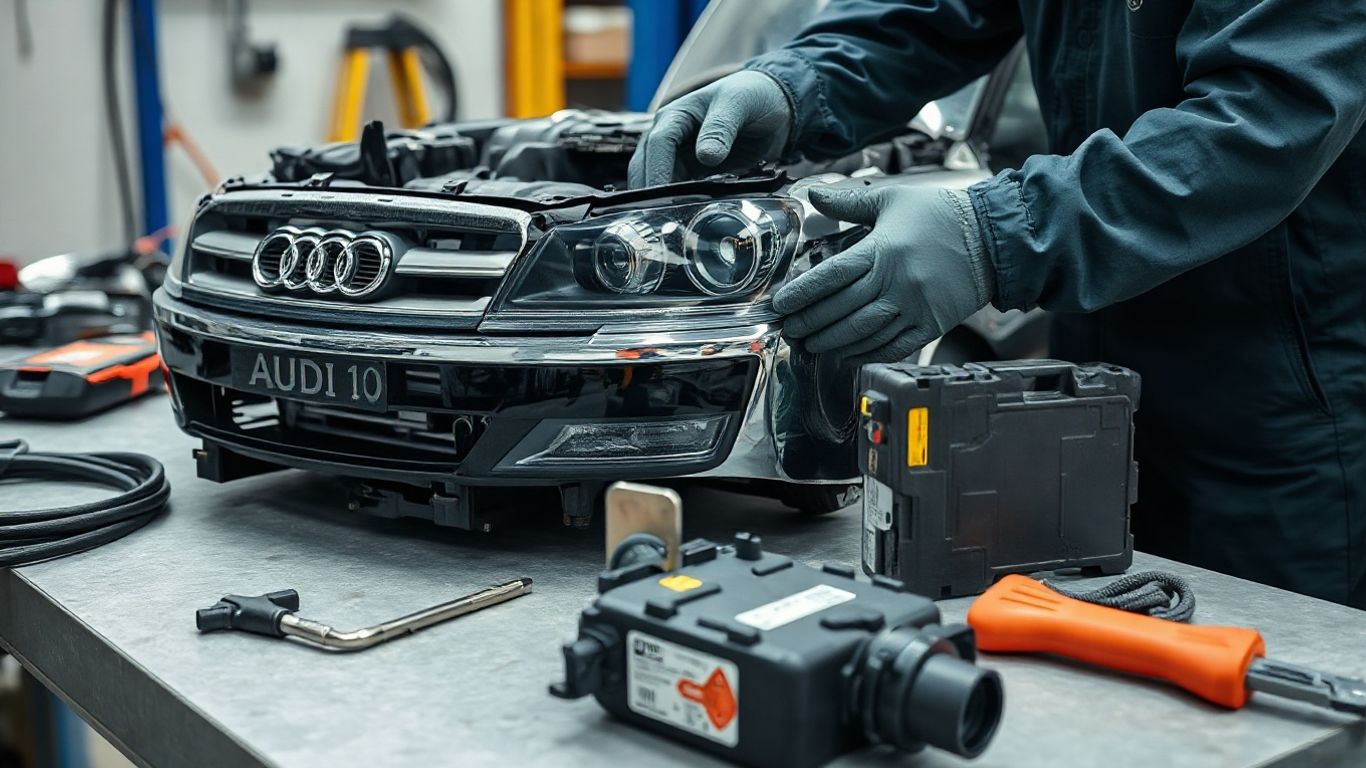
Evaluating body panels, lights, and interior components
Check panels for bends, ripples, rust, filler, overspray, and damaged mounting tabs. For lights, inspect lenses, housings, seals, adjusters, and plugs; condensation or broken mounts can create trouble after fitting. Interior parts should be checked for cracks, stains, missing clips, worn bolsters, colour variation, and differences in trim material.
A matching paint code can help, but it does not guarantee an invisible repair. Sun exposure and previous refinishing can leave two panels with the same code looking noticeably different.
Checking engines, transmissions, and mechanical assemblies
For major mechanical parts, ask about mileage if known, compression or leak testing, fluid contamination, storage conditions, and any included accessories. Look for broken housings, damaged threads, oil residue, corrosion, and missing sensors. A qualified mechanic should assess whether the component is suitable before installation.
The installation plan matters too. Replacing seals, fluids, filters, gaskets, or service items may be sensible even when the used assembly itself appears sound. Those additions should be included in the budget.
Assessing electrical and electronic parts
Electronic components can be physically intact yet incompatible, locked to another vehicle, or in need of coding. Inspect plugs for bent pins, water ingress, heat damage, and brittle insulation. Ask whether the part was tested and whether the supplier accepts returns when a module cannot be programmed to the vehicle.
Do not assume that a matching part number guarantees plug-and-play operation. Some modules require vehicle-specific configuration, security access, or calibration after installation.
Recognizing signs of wear, damage, or previous repairs
Previous repair is not automatically a reason to reject a component, but it should be disclosed and priced accordingly. Uneven welds, mismatched fasteners, fresh paint over corrosion, deep scratches, cracked plastic, and missing labels are useful warning signs. Ask for close-ups rather than relying on one distant image.
When the supplier’s description and the photographs disagree, request clarification in writing. A transparent answer is often more valuable than a small discount.
Buying and installing recycled Audi parts
A smooth purchase continues beyond finding a listing. Before payment, confirm what is included, how the item will be protected in transit, and who will install or inspect it. These details are especially important for bulky assemblies and components that need electronic setup.
Requesting condition details and clear photos
Ask for photos of every relevant side, identification label, connectors, mounting points, and any stated defect. For body parts, request images in natural light where possible; for mechanical parts, ask about leaks, shaft play, corrosion, and storage. Save the listing and photographs so the delivered condition can be compared with what was described.
A written record also makes a warranty conversation simpler. Keep the part number, donor details, quoted condition, price, and agreed inclusions together.
Confirming shipping or pickup options in Brisbane
Pickup allows you to inspect a part and discuss fragile areas before taking it away. If freight is required, confirm packaging, insurance, delivery timing, and whether the carrier can handle the size and weight. Large panels need protection from bending, while engines and transmissions need secure crating and fluid handling.
Arrange delivery around the repair schedule rather than booking labour first. A delayed part can leave the vehicle occupying a workshop bay and increase costs.
Preparing for professional installation
Professional installation is sensible for engines, transmissions, brakes, steering, suspension, airbags, and complex electrical components. Give the technician the supplier’s condition notes and warranty terms before work begins. The technician can also compare the replacement against the original and identify missing hardware.
Plan for associated consumables and checks, including fluids, seals, fasteners, alignment, fault-code scanning, and road testing. A correct fit is only the starting point; the finished repair must operate safely in the vehicle.
Handling programming, coding, and calibration requirements
Some replacement modules, keys, sensors, cameras, and driver-assistance components may need coding, pairing, or calibration. Ask the supplier and installer about this before purchase, because a component that cannot be configured may not be returnable under ordinary conditions. Calibration can also require specialist equipment and a controlled workshop environment.
Record any diagnostic codes before removing the old part and scan the vehicle again after installation. That evidence helps separate a faulty replacement from an unrelated pre-existing problem.
Managing costs and ownership considerations
The purchase price is only one part of the decision. Freight, diagnosis, labour, consumables, programming, and the possibility of a second repair can change the total substantially. A written estimate makes recycled components easier to compare with new or rebuilt alternatives.
Comparing recycled part prices with new replacements
Request like-for-like quotes. A used engine without accessories is not directly comparable with a complete new assembly, and a bare door shell is not the same as a painted, trimmed, and fitted door. Include the warranty period and expected lead time in the comparison.
Researching Audi used parts in Sydney may offer general price context, but a Brisbane buyer should still account for freight, local support, and return arrangements. A cheaper listing can lose its advantage once those factors are added.
Calculating labor, freight, and installation costs
Before ordering, ask the technician for a realistic labour range and a list of likely replacement items. A component that costs less but takes much longer to fit may not reduce the final bill. Freight, storage, inspection charges, core deposits, programming, wheel alignment, and disposal can also appear outside the advertised price.
For a useful estimate, separate the costs into four groups: part, transport, installation, and follow-up checks. This keeps the decision grounded in the completed repair rather than the initial quote.
Understanding warranties and buyer protections
Read the warranty before installation, including exclusions for overheating, incorrect fitting, racing use, consumables, and unrelated electrical faults. Keep the invoice, diagnostic report, installation receipt, and communications with the supplier. If a problem appears, stop using the vehicle when continued operation could cause further damage and contact the seller promptly.
Consumer protections may apply differently depending on the seller, transaction, and nature of the part. A clear written agreement is still valuable, even where statutory rights also apply.
Disposing of the replaced Audi part responsibly
Do not leave engines, batteries, fluids, tyres, airbags, or electronic modules in ordinary household waste. Ask the workshop, recycler, council facility, or parts supplier about appropriate handling. Some replaced components may have a core value and can be returned for assessment or recycling.
Responsible disposal protects waterways and reduces unnecessary landfill. It also closes the loop on a repair that has extended the useful life of an existing vehicle.
Conclusion
Recycled Audi parts can be a practical Brisbane repair option when the source, condition, compatibility, and total installation cost are checked carefully. Take time to verify the VIN and part number, ask direct questions, document the purchase, and involve a qualified technician where fitting or coding carries risk.
Frequently Asked Questions
Are recycled Audi parts reliable?
Reliability depends on the component’s history, inspection, storage, and correct installation. Ask what was tested and what warranty is provided rather than judging by price alone.
How do I know whether a used Audi part will fit?
Confirm the model, build year, trim, engine, transmission, part number, and VIN. Compare connectors, mounts, dimensions, and software requirements where relevant.
Is a recycled part the same as a rebuilt part?
No. A recycled part is generally removed from another vehicle and inspected for reuse, while a rebuilt part has undergone repair or replacement of selected components.
Should I inspect a part before buying it?
Inspecting it in person is helpful, but clear photographs and a written condition report are useful alternatives. Pay particular attention to cracks, corrosion, missing hardware, and repaired areas.
Can electronic Audi parts require coding?
Yes, some electronic components may need coding, pairing, programming, or calibration after installation. Confirm this requirement before ordering.
What costs should I include beyond the part price?
Include freight, diagnosis, labour, fluids, seals, programming, calibration, alignment, storage, and disposal. These costs can materially change the value of a used component.
What should I do if the replacement part fails?
Stop using the vehicle if continued operation could worsen the problem, document the fault, and contact the supplier promptly. Keep the invoice and installation records available for any warranty or return claim.