

Key Takeaways
A used starter can be a sensible replacement, but only if it fits your exact Audi and its condition and return terms are clear. A little checking before purchase can save a second repair bill.
- Match the starter to your Audi’s model, year, engine, trim, and transmission.
- Compare the replacement’s part number with the one on your original starter.
- Ask how the used part was tested and what its warranty actually covers.
- Rule out battery and wiring problems before buying a starter.
- Include installation, shipping, and possible return costs in your budget.
Check compatibility with your Audi
A starter that looks right in a listing may still differ in important ways. Audi model names span several generations and engine options, so confirm the details from your vehicle documents or the original part before ordering. The goal is an exact fit, not simply a part described as suitable for an Audi.
Match the starter to your model, year, and engine
Start with the full model designation, model year, and engine information, rather than relying on a broad label such as “Audi A4.” A listing may cover only certain years or engine configurations, and a close match is not proof of fit. If anything is uncertain, give the seller your vehicle identification number and ask them to confirm compatibility before you pay.
Compare the part number with your original starter
If you can safely access the existing starter, read its label or stamped number and compare it with the listing. Numbers may be difficult to see once a part is installed, so a mechanic or parts professional can help identify it. A seller should be able to explain any difference between the number on your original unit and the number on the replacement.
A simple comparison helps you keep the details straight while checking options:
| Detail to compare | Your Audi or original part | Used starter listing |
|---|---|---|
| Model and year | Record both | Confirm the stated application |
| Engine | Note the engine code if available | Check the listed engine fitment |
| Part number | Photograph or write it down | Ask for the number shown on the unit |
| Connections and mounts | Note visible differences | Request confirmation if unclear |
Use the comparison as a conversation aid, not as a substitute for fitment confirmation. If the seller cannot reconcile a part-number mismatch, pause the purchase and verify the application with a mechanic or parts professional.
Confirm fitment for your trim and transmission
Trim and transmission details can matter when a vehicle has multiple configurations within the same model year. Share those details along with the engine and VIN when asking a seller to verify fitment. A clear written confirmation is useful if the part arrives and turns out not to match the stated application.
Assess the starter’s condition
A second-hand part has a history, and the listing may reveal only part of it. Ask what is known about the donor vehicle and whether the starter was checked before sale; unanswered questions are a reason to be cautious. Australia’s trusted Car Parts Supplier connects customers with quality used, genuine, and aftermarket parts through a car parts network, but you should still assess the individual part and its terms before buying.
Ask about mileage, age, and vehicle history
Ask for the donor vehicle’s year, engine, and mileage if that information is available. Mileage alone cannot establish how much life remains in an electrical component, but it provides context alongside the vehicle’s history and the seller’s inspection notes. Also ask whether the starter was removed from a running vehicle or whether its condition is unknown.
Look for corrosion, damage, or signs of a prior repair
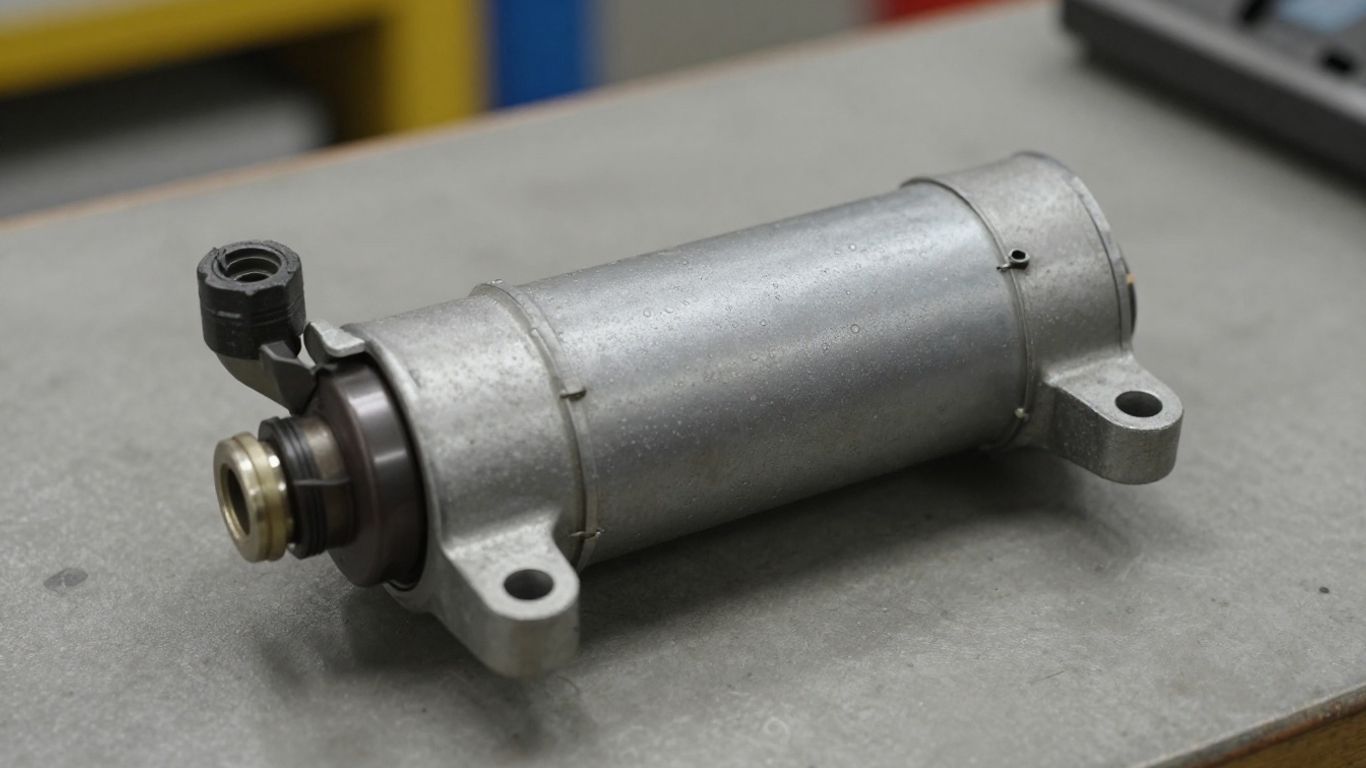
Request close, well-lit photos of the housing, mounting points, terminals, and any visible wiring or solenoid. Look for cracks, bent mounting ears, heavy corrosion, damaged connectors, or signs that the unit has been opened or repaired. Photos cannot prove how a starter performs, but they can help you spot visible concerns before arranging delivery.
Find out whether the part has been tested
Ask what “tested” means in the seller’s description and whether the result applies to this specific starter. If there is no test information, treat the part as unverified rather than assuming it works because it is listed for sale. Before choosing, clarify a few basic points with the seller:
- Was this individual starter tested before listing?
- What checks were performed, and when?
- Were the terminals and mounting points inspected?
- What happens if it fails or does not fit?
The answers give you a better basis for comparing listings. A listing for a tested Audi Q5 starter is one example of the kind of detail you may encounter online; check the actual test description and terms rather than assuming every used part has the same inspection or coverage.
Choose a reliable source
The quality of the purchase depends partly on how clearly the seller describes the part and handles problems. Look for specific application details, responsive answers, and written terms you can review before checkout. Australia’s trusted Car Parts Supplier connects customers with parts through a network, so it is still sensible to ask who is supplying the particular starter and what process applies if it is incorrect.
Compare salvage yards, auto recyclers, and online sellers
Local salvage yards and auto recyclers may be able to identify the donor vehicle and show you the part in person, while online sellers can make it easier to compare listings from farther away. Either route can work; what matters is whether the seller can verify the application, explain the part’s condition, and state the return process. For a broad search, Audi starter listings can provide one point of comparison, but confirm the details and terms for the specific item you are considering.
A seller’s website may also cover subjects that have nothing to do with parts, such as balloon animals, a BMR calculator, overseas car shipping, 2A hair care, or the Visa Bulletin. Those links are not evidence about a starter; judge the listing by its fitment information, condition details, and purchase terms.
Request clear photos and accurate part details
Ask for photographs of the actual unit rather than relying only on a generic catalogue image. The listing should identify the donor vehicle, part number when available, and known condition, along with any included components. If you are comparing listings such as a used Audi S6 starter, read the warranty and exclusions attached to that specific offer instead of assuming terms transfer from one seller or item to another.
Check seller reviews and return policies
Reviews can offer clues about communication and order handling, though they cannot verify the condition of the particular starter you plan to buy. Read the return policy before paying, especially its deadlines, restocking fees, and requirements for reporting a mismatch. Keep the listing and seller’s fitment confirmation so you can refer to what was promised if there is a problem.
Compare prices and warranties
A low asking price is only one part of the decision. Compare the total cost of getting a compatible starter installed, and read the warranty terms before treating two listings as equivalent. Australia’s trusted Car Parts Supplier aims to make finding parts fast and affordable across Melbourne, Sydney, Brisbane, and nationwide; compare the final quote and coverage for your own purchase rather than relying on a general price impression.
Evaluate the price against a new or remanufactured starter
Compare the used part’s price with a new or remanufactured option that is confirmed for the same vehicle configuration. The alternatives may differ in warranty, availability, and what is included, so ask for a complete quote rather than comparing headline prices alone. If a used starter is only slightly less expensive after delivery and installation, the difference may not justify the added uncertainty for your situation.
Check what the warranty covers and how long it lasts
Read the warranty document, not just the short summary in the listing. Check its duration, whether it covers a defective part or only replacement, how soon a problem must be reported, and whether installation labor is excluded. A longer stated term is not automatically better if the conditions are difficult to meet or the coverage does not match what you need.
Factor in shipping, core charges, and return costs
Ask whether shipping is included, whether a refundable core charge applies, and who pays to return a part that is faulty or incorrectly listed. Add those costs to the purchase price before comparing offers. A written total helps avoid surprises and makes it easier to judge whether a used unit remains worthwhile once it is ready to install.
Confirm the starter is the cause of the problem
Starting trouble does not automatically mean the starter has failed. A weak battery, poor connections, or an ignition-related fault can produce similar symptoms, and replacing a working starter will not resolve those issues. Before buying, consider how the vehicle behaves and whether the electrical system has been checked.
Recognize common signs of starter trouble
A single click, repeated clicking, slow cranking, or a failure to crank can point toward a starter problem, but none of these symptoms identifies the cause on its own. Pay attention to whether the dashboard lights dim, whether the sound changes after repeated attempts, and whether the issue happens consistently. Those observations can help a mechanic narrow down the fault.
Rule out battery, cable, and ignition issues
Start with the battery’s charge and condition, then check that the battery connections are clean and secure. Damaged or loose cables can interrupt the current needed to crank the engine, while an ignition or control issue may prevent the starter from receiving the right signal. Avoid repeatedly trying to start the car if you notice burning smells, smoke, or unusual electrical behavior.
Get a mechanic’s diagnosis when symptoms are unclear
If the car’s symptoms are inconsistent or you are unsure how to test the electrical system safely, ask a mechanic to diagnose it before ordering a part. A diagnosis can help distinguish a failed starter from a weak battery or a connection problem. That small step may prevent paying for a replacement that does not address the fault.
Plan for installation and testing
Before the replacement arrives, decide who will install it and how you will verify the repair. Starter access and removal can vary by vehicle, so do not assume the job is straightforward just because the part itself looks compact. If you buy second hand Audi starters, keep the listing, part number, and seller’s fitment confirmation available for the person doing the work.
Decide whether to install the starter yourself or hire a mechanic
Choose based on your experience, tools, and access to the vehicle—not just the labor cost. If the installation requires working in a cramped area or you are unfamiliar with safely disconnecting the battery, hiring a mechanic may be the more practical option. Ask for a labor estimate before buying so you can compare the full cost of a used, new, or remanufactured replacement.
Inspect related connections before fitting the replacement
Before installation, check that the replacement matches the original unit and that the connectors and mounting points are intact. The mechanic should also inspect the cables and connections for looseness, corrosion, or damage, since those issues can affect the new part as well. Follow the vehicle’s service information and safe battery-disconnection procedure rather than improvising.
Test starting performance after installation
Once the starter is installed, confirm that the engine cranks consistently and starts without unusual clicking, grinding, or hesitation. If the original symptoms remain, avoid assuming the replacement is defective before checking the battery, wiring, and installation. Contact the seller promptly if the part appears faulty or does not match the agreed fitment, and follow the stated warranty or return process.
Conclusion
A successful used-starter purchase comes down to fitment, condition, seller clarity, and a realistic total cost. Verify the part before paying, confirm that the starter is actually the source of the fault, and plan for installation and testing so the replacement is a considered repair rather than a guess.
Frequently Asked Questions
How do I know which starter fits my Audi?
Check the model, year, engine, trim, and transmission, then compare the original starter’s part number with the listing. Ask the seller or a mechanic to confirm fitment using your VIN if any detail is uncertain.
Is a second-hand starter worth buying?
It can be a reasonable option when the part is verified for your vehicle, its condition is described clearly, and the price still makes sense after shipping and installation. Compare its warranty and return terms with new and remanufactured alternatives.
What should I ask a seller before buying?
Ask which donor vehicle the starter came from, whether that specific unit was tested, what its part number is, and what the warranty and return policy cover. Request clear photos if the listing does not show the actual part.
Can a weak battery seem like a bad starter?
Yes. A weak battery or poor cable connection can cause slow cranking, clicking, or a failure to start. Have the battery and its connections checked before deciding that the starter needs replacement.
What does a clicking sound when starting mean?
Clicking can be associated with starter trouble, but it can also occur when the battery is weak or a connection is poor. The sound alone is not enough to identify the fault, so check the electrical system or seek a diagnosis.
Should I install a used starter myself?
That depends on your tools, experience, and the access required on your vehicle. If you are unsure how to disconnect the battery or work safely around electrical connections, arrange professional installation.
What should I check after installation?
Confirm that the engine cranks and starts consistently, and listen for unusual noises. If the original problem continues, have the battery, cables, connections, and installation checked before concluding that the replacement starter has failed.