

Key Takeaways
A used differential can be a sensible replacement, but only when it matches the car and its condition is understood. Take time to verify the details before money changes hands.
- Identify whether you need a front, rear, or center differential.
- Confirm fitment using the VIN, differential code, and part numbers.
- Ask for donor history, condition details, and written return terms.
- Compare the full cost, including shipping and any core charge.
- Use the specified fluid and have installation and setup checked by a qualified professional.
Understand Audi differential types
The word “differential” can refer to different components depending on the Audi’s layout and drivetrain. Before searching for used Audi differentials, determine which unit is involved and how it works with the rest of the system. That distinction affects what you need to match and what a seller should be able to identify. Audi’s quattro history offers background on how the all-wheel-drive name has been used across models, but it does not replace checking the specific car’s configuration.
Front, rear, and center differentials
A front differential manages the difference in wheel speed across the front axle, while a rear differential does the same at the rear. Some all-wheel-drive layouts also use a center differential or another mechanism to manage the relationship between the front and rear axles. The arrangement depends on the vehicle, so don’t assume a listing described simply as “Audi differential” is the component you need. Identify the location and assembly before comparing part numbers.
How quattro systems vary by model and drivetrain
Audi’s quattro systems are not a single interchangeable setup. Model, generation, engine, transmission, and drivetrain layout can all affect where a differential sits and how it connects to the car. A unit that appears similar in a photo may have a different ratio or attachment points, so use the vehicle’s own information rather than relying on appearance alone. A general Audi differential listing can help you see the range of applications sellers describe, but treat a listing as a starting point, not proof of fitment.
What makes a sport differential different
A sport differential is a distinct configuration, not just another name for a standard rear unit. Its design and controls may differ from a conventional differential, which makes exact application matching especially important. Before buying one, confirm that the car was built for that equipment and that the replacement matches its system. This sport differential animation can help illustrate the concept; it is not a substitute for checking the part number or service information.
Confirm fitment before you buy
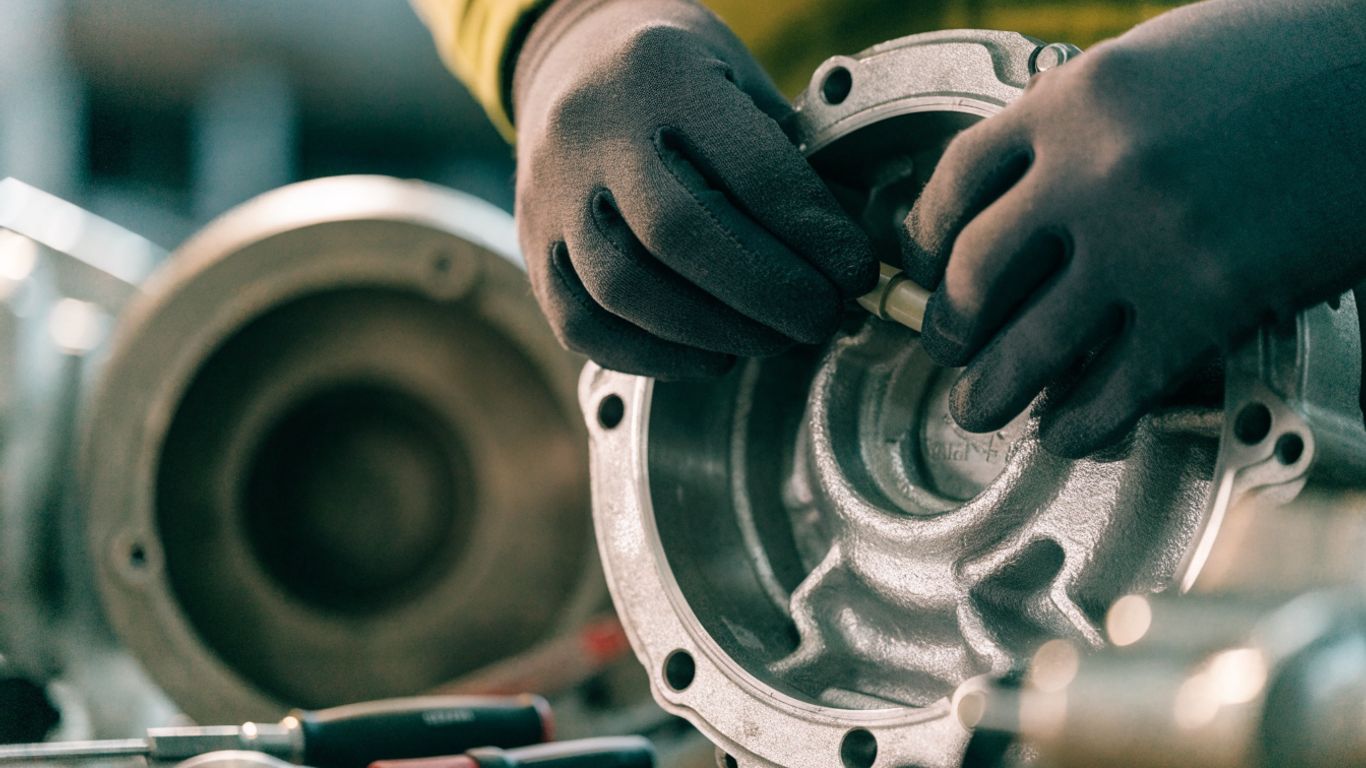
Fitment is the first hurdle, and a close match is not always a correct match. Audi used different configurations across models and years, so check the vehicle details before choosing a unit. Collect the VIN, transmission information, and any identification code on the existing differential if it is accessible. A little verification up front can prevent an expensive mismatch and a second round of labor.
Match the differential to your Audi’s year, model, and engine
Start with the exact model year, model, engine, and drivetrain rather than a broad description such as “A4” or “Q5.” Changes between generations can affect the assembly even when the model name stays the same. Tell the seller whether the car is front-wheel drive or all-wheel drive, and share any trim or package details that affect the drivetrain. If the listing covers several applications, ask which one the seller has actually verified.
Check transmission type, axle ratio, and part numbers
Transmission type and axle ratio can determine whether a differential works correctly with the rest of the drivetrain. Compare the original unit’s part number and code against the replacement, and ask the seller to confirm both rather than infer compatibility from the vehicle name. This quick comparison can organize the details you need to check:
| Detail to verify | Why it matters | What to compare |
|---|---|---|
| Transmission type | The assembly must match the drivetrain configuration | Vehicle records and seller’s application notes |
| Axle or final-drive ratio | Mismatched gearing can cause driveline problems | Differential code and verified part data |
| Part number | Similar housings may contain different specifications | Original and replacement identification |
| Mounting and connections | The unit must attach and connect correctly | Photos, dimensions, and application confirmation |
Use the table as a prompt for questions, not as a substitute for a parts lookup. If a code or number is unclear, ask the seller to verify it before purchase and keep the answer in writing.
Use the VIN and differential code to verify compatibility
A VIN can help a parts professional identify the vehicle’s original configuration, while a differential code can narrow down the actual unit fitted to it. Provide both when possible, and ask the seller to confirm the replacement against the specific car. Some listings offer a broad model range, but that does not mean every unit listed will fit every version. For example, a quattro differential seller describes using a VIN or registration to check fitment; whatever seller you use, make sure the confirmation relates to your exact vehicle.
Evaluate a used differential’s condition
A part that fits on paper still needs to be in acceptable condition. Used components vary in their history and storage, and photos cannot answer every question about wear or operation. Ask what the seller knows, what was inspected, and what recourse you have if the part does not perform as described. Clear condition records are more useful than a vague assurance that a unit is “good.”
Review donor vehicle history and mileage
Ask for the donor vehicle’s year, model, engine, and mileage, along with the reason it was dismantled if that information is available. A known mileage is helpful context, but it is not a guarantee of condition; use it alongside inspection and seller terms. If the part came from a damaged vehicle, ask whether the drivetrain or differential area was affected. Keep the donor details with the listing and invoice so you can refer to them if questions come up later.
Check the housing, seals, mounts, and fluid for warning signs
Look over the housing for cracks, impact damage, heavy corrosion, and signs of previous repair. Check seals and mounting points for damage, and ask whether the unit was inspected for excessive play or unusual noise. If fluid is present, ask whether it was checked and whether there were metal particles or a burnt smell. These observations do not prove a unit is sound, but they can reveal reasons to pause or request a closer inspection.
Ask about testing, return terms, and warranty coverage
Before paying, ask what testing was performed, whether the unit is sold as pictured, and how returns are handled if fitment or condition is wrong. Get the terms in writing, including any time limit, exclusions, or requirement to keep the original packaging. Warranties differ, so read the actual coverage rather than relying on a headline claim. Clear terms are useful in many kinds of purchases, including IT support choices, on-demand pay planning, carpet installation, Turku housing options, and the Traffic Secrets offer; each has its own subject and conditions, so use those pages only as reminders to read the terms for the purchase at hand.
Compare sellers and prices
The lowest advertised price does not always mean the lowest overall cost. Compare what each seller can confirm about the part, how it will be shipped, and what happens if it is not right for the car. Listings are useful for narrowing the search, but verify the details before treating an asking price as a firm quote. You can browse used Audi differential listings as a starting point, then check the specific unit and terms directly with the seller.
Weigh salvage-yard, specialist, and online listings
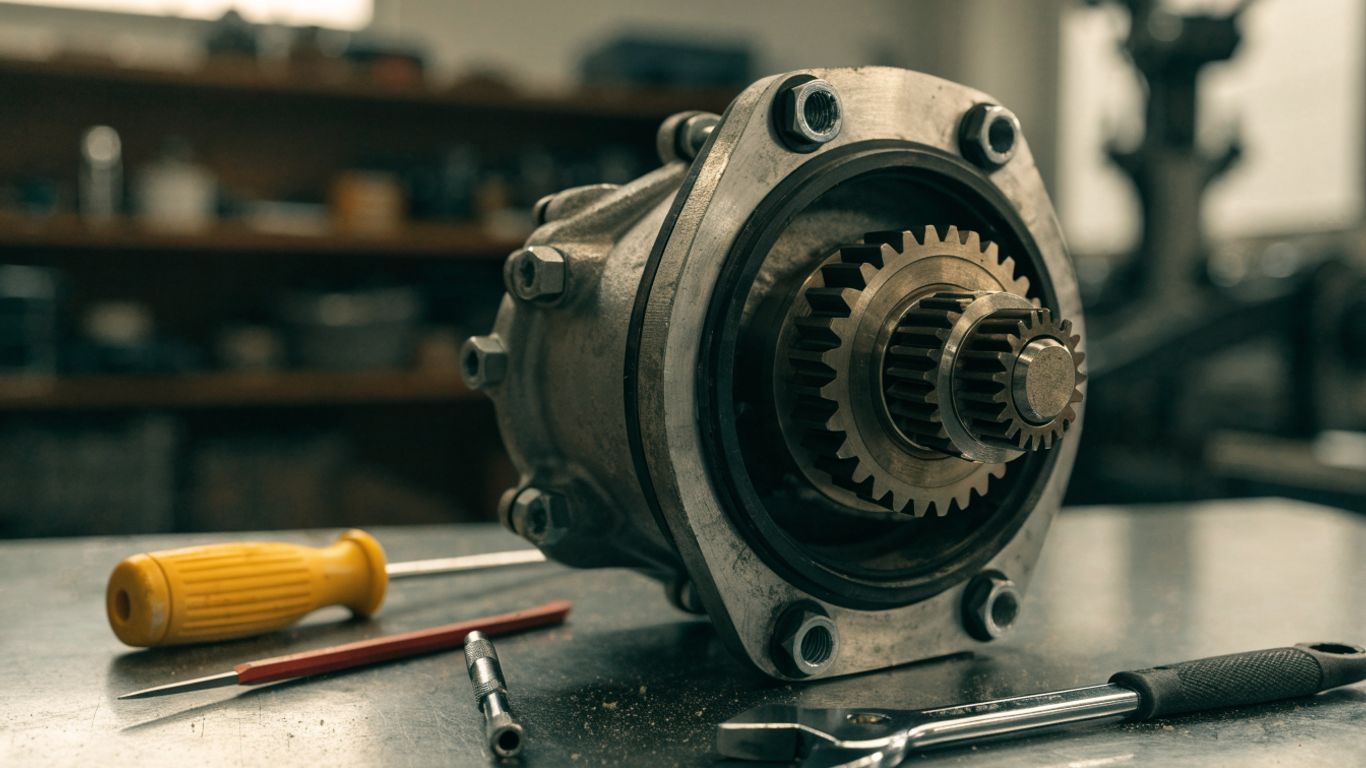
Salvage-yard listings may provide donor-vehicle details, while a parts specialist may be able to help interpret codes or confirm applications. Online listings can make it easier to compare availability, but descriptions vary in detail. Whichever route you use, ask the same core questions about part identity, condition, fitment confirmation, and returns. A listing that answers those points clearly is easier to assess than one relying on a broad model label.
Compare total cost, including shipping and core charges
Ask for the full amount due, not just the displayed part price. Shipping, packaging, taxes, delivery arrangements, and any refundable core charge can change the comparison. Check whether the core must be returned by a certain date and who pays for its transport. A parts listing may show a range of applications, but its displayed information should not be treated as a complete quote for your order.
Spot listing details that need clarification
A careful read can uncover missing information before it becomes a problem. Pause if a listing uses a generic photo, omits the ratio, or describes several models without explaining which application the unit matches. Before you commit, make sure you have answers to these practical questions:
- Is this the exact differential assembly, or only a related component?
- What donor vehicle and mileage are associated with the part?
- Has the part number or ratio been checked against my vehicle?
- What are the return window, warranty terms, and shipping charges?
Once the seller has answered, compare the written details with your own vehicle information. If a key specification remains uncertain, keep looking rather than assuming it will be resolved after delivery.
Plan for installation
A replacement differential is not a simple fit-and-forget purchase. Installation involves access to connected components, the correct lubricant, and any setup steps specified for that particular assembly. Before arranging the work, share the replacement part details with the technician who will install it. That gives them a chance to flag mismatches before the car is apart.
Confirm whether related components should be inspected
Ask the technician to inspect the surrounding driveline and mounting points while the original unit is being removed. The condition of related components can affect noise, vibration, and how the replacement operates. If the old differential failed, ask whether the cause is understood and whether anything else needs attention before the new unit goes in. This is a sensible moment to discuss associated labor, rather than discovering additional work mid-job.
Use the correct fluid and follow Audi service specifications
Differentials can require specific fluid types and service procedures, so avoid choosing lubricant by guesswork. Confirm the correct specification for the exact vehicle and assembly, and follow the applicable service information for filling and checking the unit. Using the wrong fluid or an incorrect procedure can undermine the repair. Keep a record of the fluid used and the work completed for future maintenance.
Budget for labor, setup, and post-installation checks
Get an estimate that separates the part from labor and any setup or diagnostic work. Ask whether the price includes fluid, inspection of related components, and a road test or follow-up check. The final total may also depend on access and the condition of fasteners or connected parts. Agree on the scope in advance so the quote is easier to compare and the work is less likely to stall over an unexpected extra.
Troubleshoot issues after installation
A new noise or leak after replacement deserves attention, even if the car still moves normally. Note when the symptom occurs, such as during acceleration, turning, or coasting, and share those details with the installer. Do not assume that a sound will settle on its own. A prompt inspection can help distinguish a simple issue from a part or setup problem.
Identify noises, vibration, or fluid leaks
Listen for a new whine, clunk, or growl, and notice whether vibration changes with speed or load. Check for fresh fluid around the housing and seals, but avoid reaching under a vehicle that is not safely supported. A symptom’s timing can help a technician trace the cause, so write down what you hear and when it happens. If the vehicle behaves differently than it did before the repair, report that clearly.
Check for incorrect gearing or incompatible components
If symptoms appear after installation, ask the shop to recheck the part number, ratio, and compatibility with the transmission and other drivetrain components. A mismatch may not be obvious from the outside, especially when similar units share a housing. The seller’s original fitment confirmation and the technician’s installation notes can help narrow down the issue. Avoid replacing additional parts until the cause has been identified.
Know when to stop driving and seek a professional inspection
Stop driving if there is a severe knock, rapidly worsening vibration, obvious fluid loss, or a warning that the drivetrain is not operating normally. Continuing to use the car may worsen damage or make it unsafe to drive. Arrange a professional inspection, and consider towing the vehicle if the symptoms are significant. When in doubt, let the technician assess it before taking another road trip.
Conclusion
Buying a used Audi differential comes down to confirming the exact application, asking clear questions about condition, and planning the installation before the part arrives. Compare the whole cost and keep written fitment and return details. A careful check at each step can make the repair more predictable and help you avoid buying a unit that is wrong for the car.
Frequently Asked Questions
Can I use a differential from another Audi model?
Not necessarily. Model names alone do not establish compatibility; compare the part number, ratio, drivetrain layout, and vehicle specifications before buying.
How do I find the differential code?
Check the vehicle’s service records or ask a parts professional or technician to help identify it. The code’s location and visibility can vary, so use reliable vehicle-specific information.
Does a matching part number guarantee fitment?
It is strong evidence, but confirm the number against the VIN and the exact drivetrain configuration. Also verify that the listing refers to the complete assembly you need.
What should I ask about a used unit’s mileage?
Ask for the donor vehicle’s recorded mileage and how it was obtained, then treat it as context rather than a guarantee. Also ask about inspection, testing, and any known damage.
Should a used differential be inspected before installation?
Yes. Have a qualified technician check its condition and compatibility before fitting it, particularly if the seller’s information is limited or the unit shows visible damage.
Can I drive if the replacement differential makes noise?
A new or worsening noise should be checked promptly. Stop driving and seek professional help if it is severe, accompanied by vibration, or paired with a fluid leak.
What costs should I include when comparing options?
Include the part, shipping, taxes, any core charge, installation labor, required fluid, and post-installation checks. Ask which charges are refundable and what conditions apply.