

Key Takeaways
A used alternator can be a good fit when its specifications and condition are verified before purchase. A little documentation up front can prevent an expensive mismatch.
- Match the alternator to your Audi’s year, trim, engine, and VIN.
- Compare the original part number, amperage, connectors, and mounting points.
- Ask about the donor vehicle, visible condition, and any bench-test results.
- Compare total cost, return terms, and warranty coverage—not just the listed price.
- Confirm fitment in writing and test the charging system after installation.
Identify the right alternator for your Audi
Audi alternators can vary across model years and engine configurations, even when vehicles share a nameplate. Start with the exact vehicle details rather than assuming a listing for an A4 or Q5 will fit yours. Used Audi alternators are worth considering only when the replacement matches the car’s electrical and physical requirements. A few minutes spent checking specifications can save a return, extra labor, or a second repair.
Match the part to your model year, trim, and engine
Gather the model year, trim, engine size, and any relevant drivetrain details before you search. These identifiers help distinguish versions that may look alike in a listing but use different components. If a seller lists a donor vehicle, compare its configuration with yours instead of relying on a broad model label. Listings for 2016 Audi Q3 alternators, for example, illustrate why the exact year and model matter when browsing used inventory.
Check the VIN and original equipment part number
The VIN gives a parts professional a precise starting point for identifying the vehicle configuration. If you can access the original alternator’s label, record its part number as well; it can help confirm whether a candidate is a direct match or an approved replacement. Ask the seller to verify the fitment against your VIN before paying. A listing for a 2008 Audi A4 alternator provides an example of the useful details a listing may include, such as part numbers and donor mileage.
Compare amperage, connectors, and mounting points
A compatible alternator needs more than a similar-looking housing. Compare its amperage rating, plug shape and pin arrangement, pulley, and mounting points with the part being replaced or the vehicle’s documented specification. Ask for clear photos if those details are not shown. When comparing listings, use the same checklist each time:
| Fitment detail | What to verify | Why it matters |
|---|---|---|
| Part number | Number on the original or confirmed replacement | Helps identify the correct application |
| Amperage | Rating specified for your vehicle | Must suit the vehicle’s charging requirements |
| Electrical connector | Plug shape and pin layout | The harness needs to connect correctly |
| Mounting and pulley | Bracket positions and pulley configuration | The unit must install and align properly |
A matching part number is useful, but it should not replace a final VIN-based fitment check. If a listing omits a key detail, ask before ordering rather than treating an apparent visual match as proof.
Evaluate the alternator’s condition
A used part’s history can offer clues about its likely remaining service life, though it cannot guarantee future performance. Ask what is known about the donor vehicle and how the alternator was removed and stored. A careful seller should be able to describe the part and provide relevant test information. The goal is to reduce uncertainty, not to assume that a clean-looking component is automatically sound.
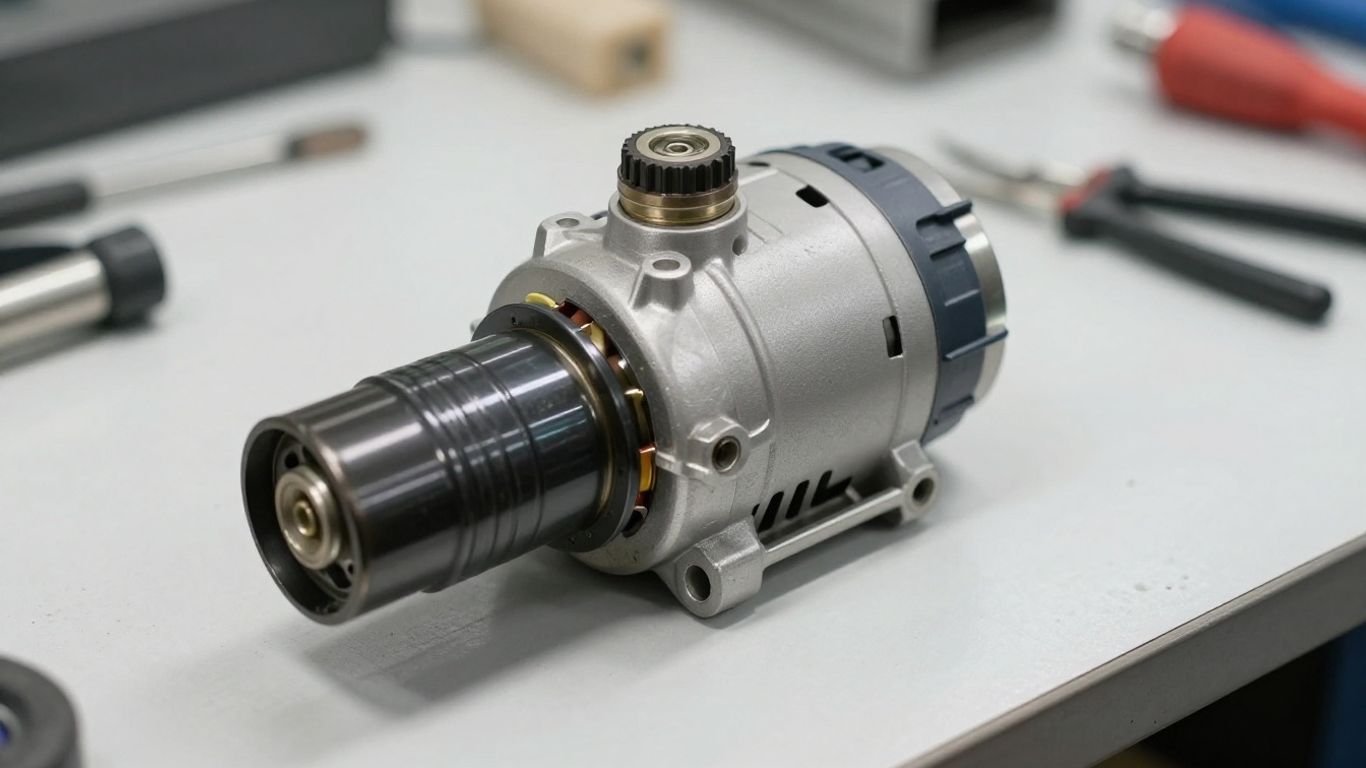
Ask about mileage, donor vehicle, and removal history
Ask for the donor vehicle’s mileage, model year, engine, and the reason it was dismantled, if that information is available. Mileage is context, not a verdict: driving conditions, maintenance, and storage also affect a component. Removal history can help you learn whether the unit was handled carefully and whether its pulley or connector was damaged. A 2015 Audi A4 alternator listing is one example of a used-part listing tied to a particular vehicle year and model.
Look for corrosion, damage, and signs of overheating
Request close photos of the case, pulley, mounting ears, electrical connector, and any visible wiring. Look for cracked housing, bent brackets, heavy corrosion, damaged threads, or melted and discolored areas that may indicate heat exposure. Surface grime alone does not establish a fault, but physical damage should prompt more questions. If the seller cannot supply useful images, weigh that uncertainty against the price and return terms.
Request bench-test results when available
A bench test can provide more information than appearance alone, but ask what was tested and whether the result is documented. Confirm that the results refer to the specific unit being sold, not a general statement about the seller’s inventory. A test does not eliminate the need to check fitment or inspect the installed charging system. For general signs that may warrant diagnosis, an Audi alternator symptom guide discusses warning lights, dim lighting, and unusual noises.
Choose a trustworthy source
A trustworthy seller makes it possible to understand exactly what is being sold and what happens if it does not fit. Look for a clear vehicle description, part number, condition notes, photographs, and accessible return terms. Compare sellers on the information they provide, not on confidence in a short product title. Clear answers before checkout are a useful sign of a more straightforward transaction.
Compare Audi salvage yards and auto recyclers
Salvage yards and auto recyclers may list parts removed from donor vehicles, while other sellers may offer tested, rebuilt, or new stock. Ask what category the part belongs to and whether it is being sold in its current used condition. Compare comparable listings by fitment details and policies, not just headline price. An Audi A6 alternator listing, for instance, describes a particular used OEM unit and includes details about its donor engine and warranty.
Check seller ratings and inventory details
Ratings can help you spot patterns in communication, packaging, and how sellers handle problems, but read the details rather than relying on a score alone. Check whether the listing identifies the actual part in stock, or whether it is a generic catalog entry. A genuine inventory photo and a specific part number make it easier to ask focused questions. For other kinds of online purchases, guides to Google Play gift cards and weekly tiffin delivery also illustrate why buyers should review the seller and terms before placing an order.
Confirm the part is OEM and not misrepresented
If a listing describes a part as OEM, ask the seller to confirm the manufacturer or original-equipment status and provide identifying details where available. Do not treat “OEM quality” as equivalent to a verified OEM part; the wording may describe a different product category. Check that the part shown in the photos matches the described item, and ask whether any components are missing. Precise language is especially helpful when you later need to resolve a fitment or condition issue.
Compare price and warranty value
The lowest advertised price is not always the least expensive choice once shipping, installation, and the risk of a return are considered. Compare the used unit with remanufactured and new alternatives that fit the same vehicle. Look closely at what the seller promises and how long you have to act if there is a problem. A good comparison is based on the full cost and practical protections, not a single number.
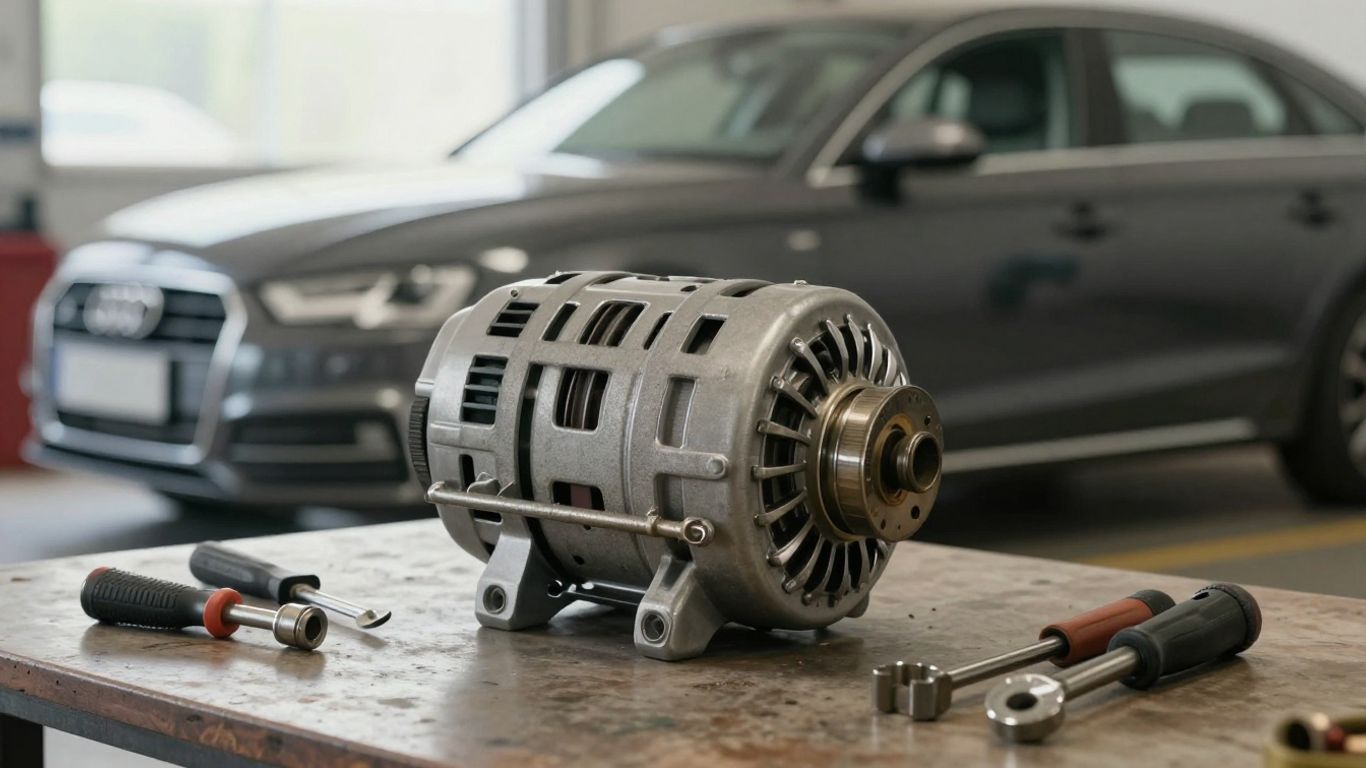
Weigh used, remanufactured, and new options
A used alternator may cost less upfront, while a remanufactured or new unit may come with a different level of inspection or coverage. Those descriptions alone do not establish quality, so ask what work or testing has been performed and what the warranty covers. Use a simple comparison that separates price from terms. Guides about auction website planning and Tesla DIY accessories address other types of online purchases, but the same basic habit of checking product details before paying applies here.
Review return windows and warranty exclusions
Find out how long the return window lasts, whether the warranty begins at purchase or installation, and who pays return shipping. Check for exclusions involving labor, installation, misuse, or diagnostic requirements. If coverage is limited to the part itself, you may still be responsible for the cost of removing and replacing it. Keep a copy of the policy as it appeared when you ordered.
Factor in shipping, core charges, and labor
The final amount may include shipping, a refundable core charge, taxes, and installation labor. Ask whether the core charge applies and what condition the returned core must be in to qualify for a refund. If a replacement must be shipped back, estimate that cost too. Considering the whole transaction helps you compare a low-cost listing fairly against a more expensive option with clearer terms.
Plan for installation and compatibility
Even a correctly matched alternator can be part of a larger charging-system problem. Before fitting the replacement, consider the condition of the battery, belt, wiring, and connections so a related fault is not mistaken for a bad part. The right installation approach depends on your experience, tools, and access to service information. Plan the job around the vehicle, not just the component.
Check whether related wiring or hardware needs attention
Inspect the electrical connections and nearby hardware for looseness, corrosion, damaged insulation, or wear. The belt and pulley should also be checked for condition and alignment as part of the repair. If the old alternator failed, ask whether the cause has been identified; otherwise, a problem elsewhere may affect the replacement. These checks do not mean every adjacent part needs replacing, only that obvious issues should not be ignored.
Decide whether to install it yourself or hire a technician
A repair may require vehicle-specific procedures, safe access, and the correct tools. If you are not comfortable disconnecting the battery, working around engine components, or following service instructions, a qualified technician can assess the job and confirm compatibility. Before scheduling labor, make sure the replacement has a return path if it proves incorrect. For a DIY installation, follow the service information for your exact Audi rather than relying on instructions for a different engine or year.
A short pre-installation check can keep the repair organized:
- Confirm the part number and fitment against the VIN.
- Compare the connectors, mounting points, and pulley with the original.
- Review return and warranty requirements before opening or installing the part.
- Keep the invoice and any test or fitment messages with the component.
These steps do not replace the vehicle’s service procedure, but they can prevent avoidable delays. If anything differs from what the seller confirmed, pause and resolve it before installation.
Test charging voltage after installation
After installation, check the charging system according to the vehicle’s service guidance and the test equipment instructions. A technician can evaluate charging voltage and inspect related connections if warning lights remain or electrical behavior seems abnormal. Do not assume the alternator is faulty based on one symptom; the battery, wiring, belt, or another system issue may also need diagnosis. Keep any test results with your repair records.
Reduce the risk of a poor purchase
A few written checks before ordering can make a used part purchase much easier to manage. Save the listing and seller communications, especially any fitment confirmation or description of the unit’s condition. This record can help if the part arrives differently than expected or a return becomes necessary. Clear documentation is a small effort compared with repeating the search after a mismatch.
Get fitment confirmation in writing
Send the seller your VIN and the original equipment part number, if available, and ask for confirmation that the specific alternator fits your vehicle. Keep the reply with the listing and order record. If the seller gives only a broad model-year range, request clarification about engine and trim differences. Written confirmation is not a substitute for correct installation, but it makes the agreed fitment easier to establish.
Keep receipts and document the part number
Save the receipt, order confirmation, warranty terms, listing photos, and the part number visible on the unit. Photograph the package and component when it arrives, especially if the condition or labeling differs from the listing. These records are useful for confirming what was purchased and documenting a claim. Good recordkeeping also helps a technician distinguish the replacement from the original part.
Know what to do if the alternator fails or does not fit
Before ordering, identify the seller’s contact method and the deadline for reporting damage, a mismatch, or a failure. If there is a problem, stop using the part when appropriate, document the symptoms, and contact the seller promptly under the stated policy. Avoid discarding packaging or altering the component before checking whether the seller requires its return in a particular condition. For broader recordkeeping after a collision, an asset protection guide covers a different situation but likewise stresses keeping documentation.
Conclusion
Buying a used Audi alternator is less about finding the cheapest listing than confirming the right part, understanding its condition, and knowing what protection comes with the sale. Verify fitment with the VIN and part number, compare the total cost, and keep a clear record from checkout through installation. Those habits make it easier to choose confidently and respond calmly if the part does not work out.
Frequently Asked Questions
How do I know which alternator fits my Audi?
Use the VIN, model year, trim, engine, and the original equipment part number where available. Ask the seller to confirm the specific unit’s fitment before ordering.
Is a used Audi alternator worth buying?
It can be a reasonable option when the part is correctly matched, its condition is described clearly, and the price and return terms suit your needs. Compare it with remanufactured and new alternatives before deciding.
What should I ask a seller before buying?
Ask for the part number, donor vehicle details, known mileage, condition photos, test information if available, and written fitment confirmation. Also review shipping, returns, and warranty terms.
Can I rely on a seller’s bench-test result?
A bench-test result is useful information, but confirm that it applies to the exact unit being sold and ask what the test covered. It does not replace vehicle-specific fitment checks or post-installation testing.
What does OEM mean in an alternator listing?
OEM refers to original equipment manufacturer, but listing language can be imprecise. Ask the seller to clarify whether the part is genuinely original equipment and request identifying details if available.
Should I install a used alternator myself?
That depends on your tools, experience, and access to service information for your exact vehicle. If you are unsure about safe removal, installation, or testing, consult a qualified technician.
What should I do if the alternator does not fit?
Stop before installation if the mismatch is clear, document the part and packaging, and contact the seller promptly. Follow the return policy and keep your order records and fitment correspondence.